
Scams have become a common part of everyday lifeaffecting people of all ages and backgrounds. Furthermore, with the increasing sophistication of technology and the increase in interactions over the Internet, Scammers have found new ways to deceive their victimsusing increasingly ingenious methods to steal money, personal information or both.
From phishing emails and fraudulent phone callsto more elaborate scams involving cryptocurrencies or Internet purchases… Thus, These tactics have become so common that almost everyone knows someone who has been a victim or, at the very least, been the target of an attempted scam..
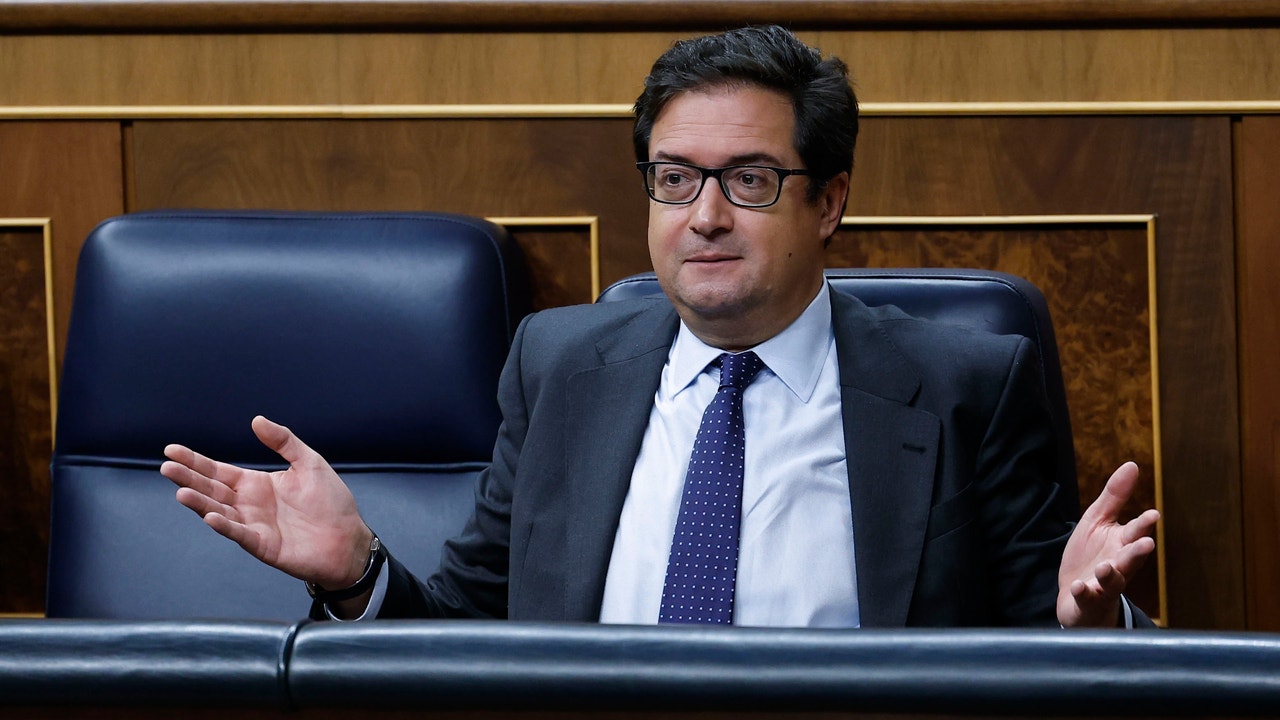
In this way, given the daily occurrence of this type of scams, The most common thing is that we are always alert to anything, email or call that may seem suspicious to us.. Thus, the minister for Digital Transformation and Public Service, Oscar Lopezannounced last Wednesday a new plan that his ministry will implement to try to prevent these telephone scams that can often be confused with commercial or spam calls.
New measures from the Government of Spain to “put an end to cybercrimes”
The Minister for Digital Transformation and Public Service, Óscar López, announced last Wednesday the implementation of a new anti-fraud plan to try to prevent telephone fraud that cybercriminals try to carry out every day.
So, the most important measures of this plan announced by Minister López are:
- Blockadeby the operators, of calls that use numbers that have not been assigned to any serviceassigned to any operator or awarded to any client; all this to try to avoid impersonation.
- Blockadeby the operators, of calls and SMS with national numbers, but with international origin. Thus, the Minister for Digital Transformation and the Public Service has assured that this is “one of the most common sources of fraud.”
- Creation of a database that will be managed by the National Markets and Competition Commission (CNMC) with users who use alphanumeric numbers in their messagessuch as the company name. In this way, those messages coming from entities not included in this database “will be blocked”, as the minister pointed out.
- Prohibition of mobile numbering for commercial callsso that citizens can detect what is fraud if they receive a call from a number of that type. Furthermore, with this new measure it will be permitted, in general, the use of 800 and 900 numbers by entities that have been assigned these numbers for making commercial calls.
So, if a user has an 800 or 900 number saved in their phonebook, such as the customer service of a company of which they are a customer, It appears as such when he calls you to make a commercial offer..
With all this, the Executive intends to reduce the means of fraud, since, according to Minister Óscar López, “cybercriminals are always going to try new means of fraud, but This Government is going to strive to put an end to these cybercrimes“.