
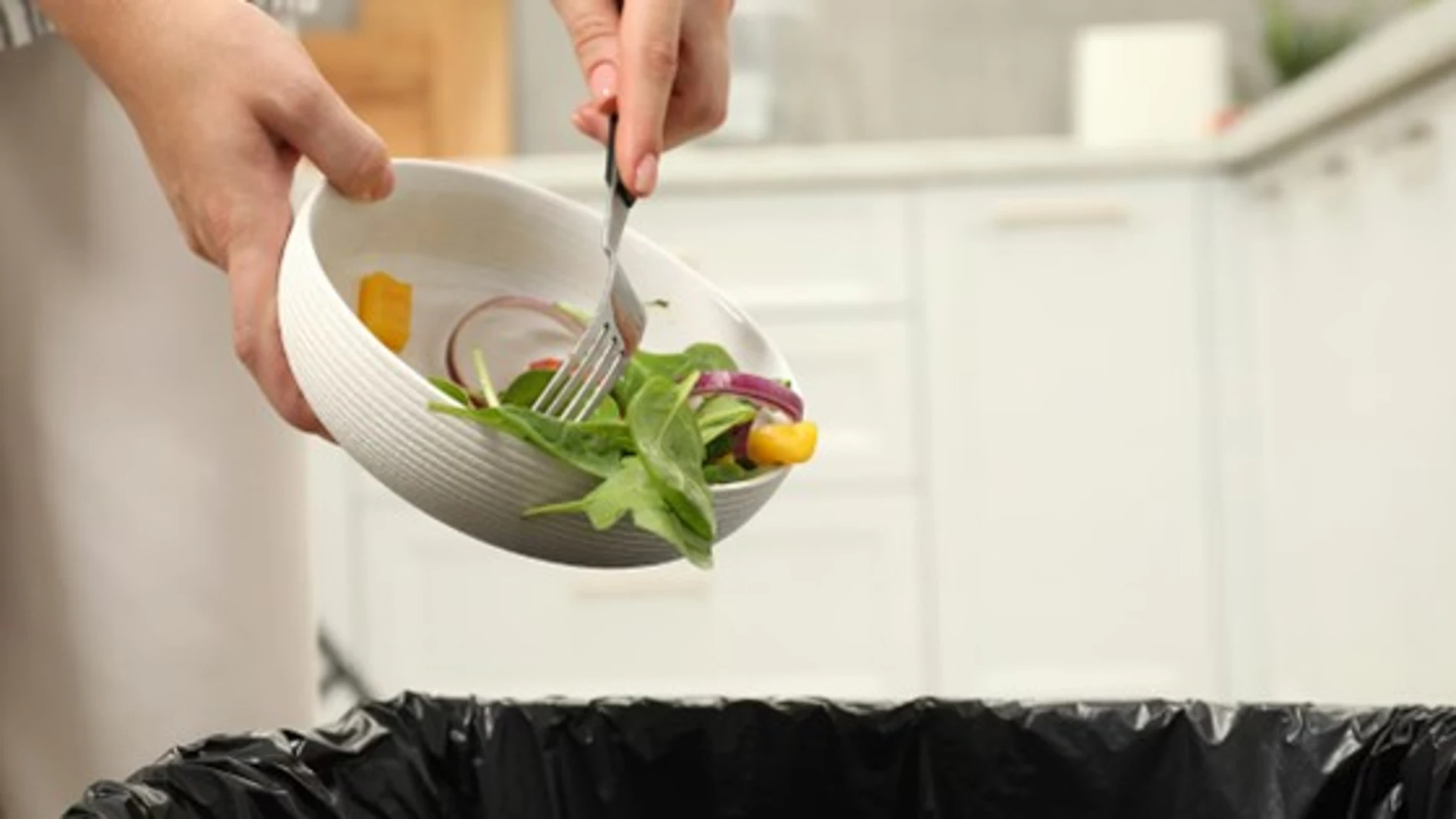
The world wastes food in a worrying way. Every year they throw away ((LINK:EXTERNAL|||https://wedocs.unep.org/rest/api/core/bitstreams/98b3a30b-92d7-4ad1-86e8-fb923a1e1992/content”>)) of edible foods, almost a fifth of all food available to consumers.
The fact that the amount of food that humans produce, but do not eat, is so significant has negative effects from a social and economic point of view, but also environmentally. Estimates suggest that between 8% and 10% of global greenhouse gas emissions are associated with food that is not consumed. These figures represent almost five times the total emissions of the aviation sector. A waste of food that also contrasts with the current situation in which 783 million people suffer from hunger and in which a third of humanity faces food insecurity.
Waste at home
The United Nations Environment Program (UNEP) Food Waste Index Report 2024 confirms that food waste is a critical global problem, regardless of whether they are high- or low-income countries. the amount of food wasted in households in high-, upper-middle- and lower-middle-income countries differs by an average of just 7 kg per person per year
The study also confirms that around 60% of food waste occurs in homes. The rest comes mainly from food services and retail, as a result of inefficient food systems, both in production, distribution and consumption.
On average, each person wastes 79 kg of food per year. The equivalent of at least 1 billion servings of food is wasted in homes around the world every day. This amount of waste would be equivalent to covering 1.3 meals a day for all the hungry people in the world.
Zero waste
This year, International Zero Waste Day focuses on food: what we eat, what we waste and how we can move towards a more cyclical future.
In December 2022, the United Nations proclaimed March 30 as International Zero Waste Day, to be celebrated every year. He United Nations Environment Program (UNEP) and United Nations Human Settlements Program (UN-Habitat) jointly organize the celebration of the Day.
As part of this campaign, Member States, organizations of the United Nations system, civil society, the private sector, academia, women, youth and other stakeholders are invited to participate in activities to raise awareness about zero waste initiatives and sustainable development.
Tips to reduce food waste
Seven tips from the Food and Agriculture Organization of the United Nations (FAO) to reduce food waste
1. Adopt a healthier, more sustainable diet. Life moves fast, and preparing nutritious meals can be complicated, but healthy meals don’t have to be elaborate. The Internet is full of quick and healthy recipes that you can share with your family and friends.
2.Buy only what you need. Plan your meals. Prepare a shopping list and stick to it, avoiding impulsive purchases. Not only will you waste less food…you’ll also save money.
3.Choose ugly fruits and vegetables. Don’t judge foods by their appearance. Bruised or oddly shaped fruits and vegetables are often thrown away because they violate arbitrary cosmetic standards.
4. Store food sensibly. Move older products to the front of the cabinet or refrigerator and place new ones in the back. Use airtight containers to keep opened foods fresh in the refrigerator, and be sure to seal packages.
5.Understand food labeling. There is a lot of difference between the “best before” and “expiration” dates. Sometimes foods remain safe for consumption past the “best before” date, while the “expiration” date indicates when it is no longer safe to consume.
6. Start small. Serve smaller portions at home or share larger plates at restaurants.
7. Value leftovers If you don’t eat everything you make, freeze it for later or use the leftovers as an ingredient in another meal.