
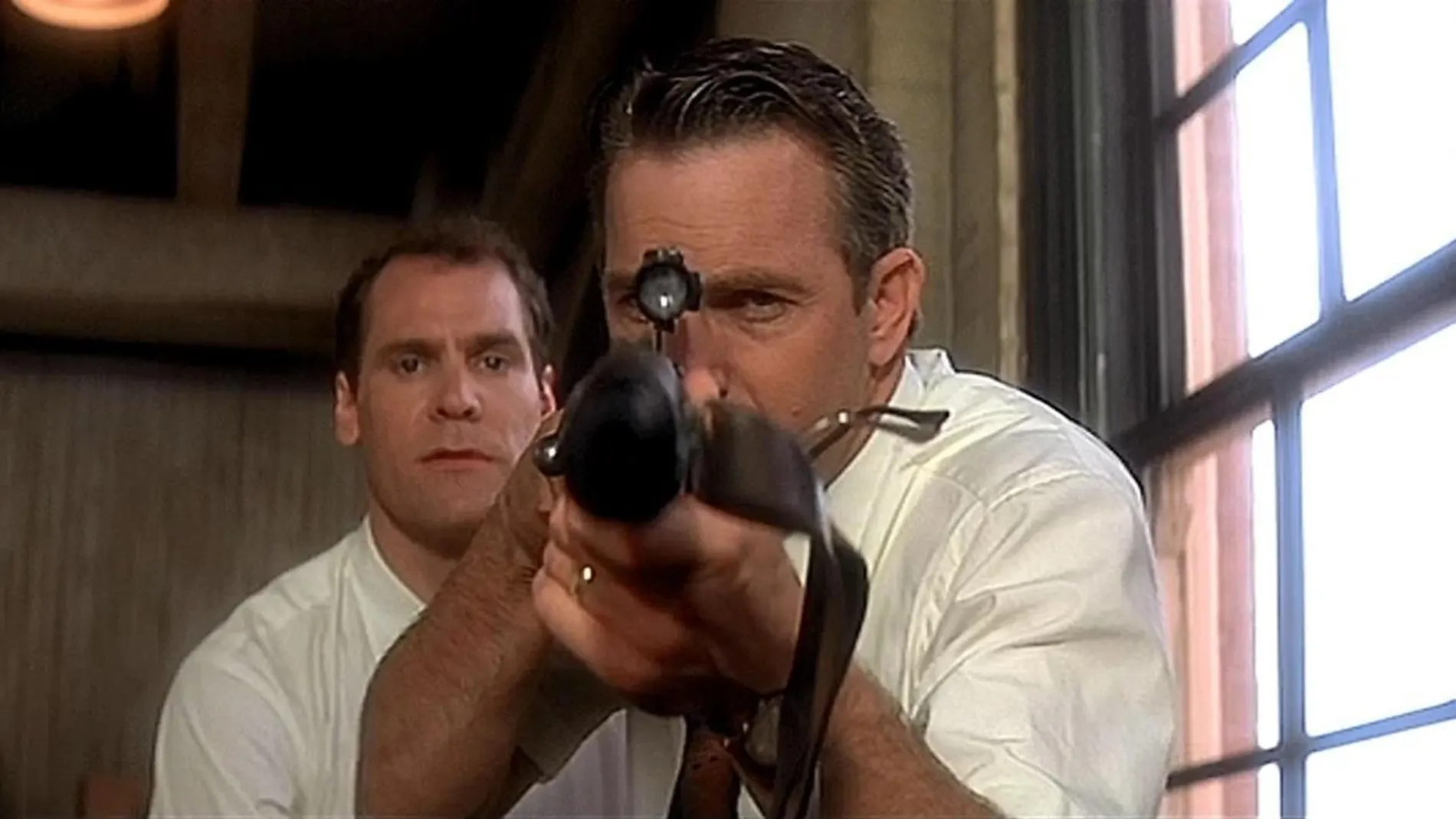
The scene we all talk about –shots fired at an evening chaired by Donald Trump surrounded by correspondents– It looks like something out of a Hollywood script. And, in a way, it is: American cinema has been imagining attacks against its president for decades, exploring that uncomfortable territory where power becomes so vulnerable.
The most cited example is “JFK: Cold Case”, Oliver Stone’s obsessive reconstruction of the murder ofJohn F. Kennedy. More than a film, it is a theory in images: feverish editing, permanent suspicion and the feeling that the truth is always off-screen. Since then, the assassination ceased to be just history and also became a genre.
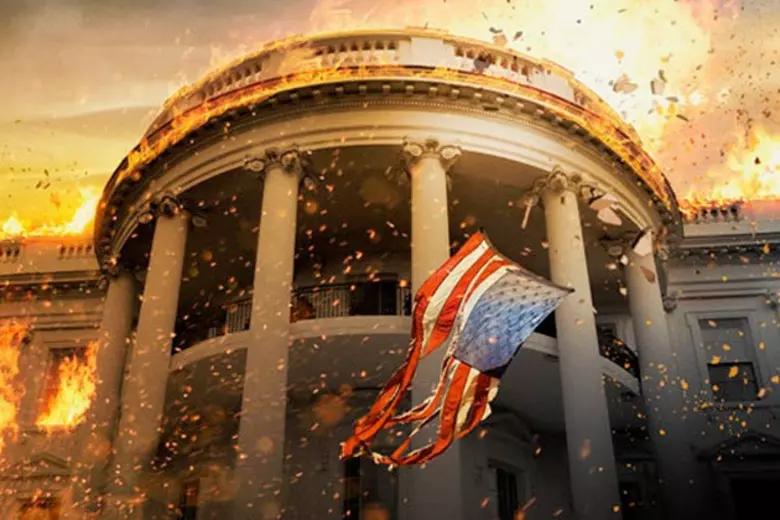
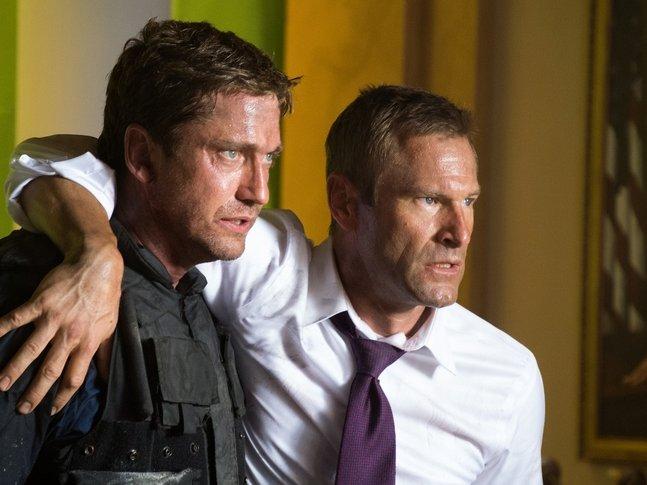
Hollywood has tried almost all the variants. “In the line of fire”, Clint Eastwood plays an agent obsessed with preventing history from repeating itself: Kennedy’s ghost flies over every shot. In “Air Force One”the president becomes an action hero, fist raised in the face of terrorists in mid-flight. Later, the direct assault on the heart of power becomes a spectacle: “Target: The White House” and “Assault on Power” turn the White House into a battlefieldwith the president as a hostage or symbol at risk.
There are not always visible shots. Sometimes the attack is a latent conspiracya threat that advances between corridors, as in “The messenger of fear”–in its 1962 and 2004 versions–where the idea of manipulating power is as disturbing as any bullet.
The interesting thing is that these movies don’t just look for adrenaline. They function as a thermometer of a very American anxiety: the fragility of leadership, the suspicion that the system can break from within or without at any moment. The president, on the screen, stops being a distant figure and becomes an exposed body.
Therefore, every time reality offers images that are reminiscent of cinema –like what happened around Trump, who was already shot in the ear–the border is blurred. It’s not that politics imitates Hollywood, but Hollywood has been rehearsing those fears for years.
And maybe that’s the key: In the United States, the assassination is not just a historical event. It is also a recurring fiction, a collective nightmare that cinema never stops rewriting.