
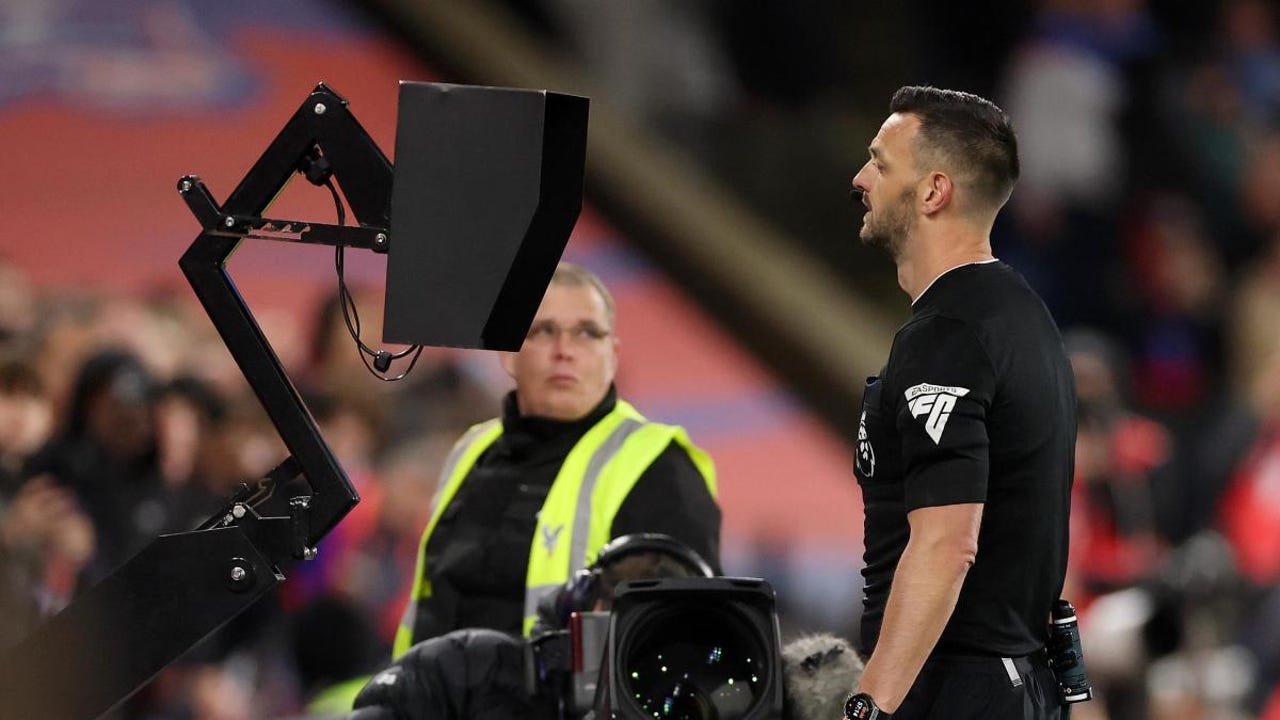
He 2025 Club World Cup, which will be held from June 15 to July 13 in the United Statesnot only will mark a milestone for its novel format with 32 teams, but also for the commitment of FIFA to modernize arbitration and provide the tournament for greater transparency.
In one Edition that aspires to equate in prestige to the World Cup Of selections, the role of the referees will be key, and for this the FIFA has announced both the names of the members and a series of unprecedented regulatory innovations.
2025 Club World Cup referees: international and top -level experience
FIFA has designated a total of 117 party officersfrom 41 Member Federations. This figure includes 35 main referees, 58 assistant referees and 24 managers of the VARthus configuring a highly trained and prepared team to face the challenges of a tournament that will take place in different cities and with a maximum competitive demand.
Among the selected referees are several names with extensive international experience:
-
Yael Falcón Pérez (Argentina)
-
Ramon Abatti Abel (Brazil)
-
César Ramos (Mexico)
-
Cristian Garay (Chili)
-
Juan Gabriel Benítez (Paraguay)
-
Jesús Valenzuela (Venezuela)
-
Ivan Barton (El Salvador)
-
Omar al Ali (United Arab Emirates)
-
Faghani Alireza (Australia)
-
Mustapha Ghorbal (Algeria)
Many of these referees have already participated in high -level appointments such as the World Cup, the Olympic Games, the Copa América or the UEFA Champions League. His experience will be fundamental in a tournament where the best clubs in the world will face them in search of global supremacy.
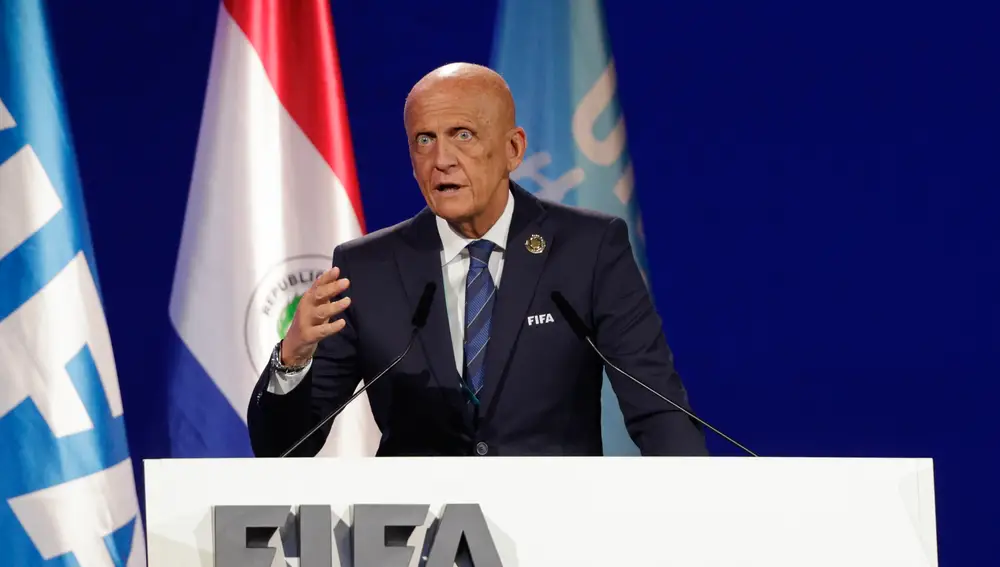
Pierluigi Collina, president of the FIFA Referees Commission, said These colleges have the “privilege” and the responsibility of imparting justice in an event that represents the future of club football. “It is not just about applying the regulation, but about contributing to a fair, transparent and inspiring show,” Collina said.
Revolutionary novelties in the regulations
In addition to the quality of the arbitral body, FIFA wanted to take a step further with the introduction of three important regulatory innovations that could change the way the public and the protagonists live arbitration.
1. Body minicamas for referees
One of the most striking novelties will be the use of Body minicamas by the main referees. For the first time in a FIFA competition, the members will carry cameras that will record images from their perspective during the development of the parties.
These recordings will be used mainly with Pedagogical and arbitral development purposesbut in some cases, and with the authorization of the member associations, they could even be broadcast live or used in subsequent documentaries. This would offer an unprecedented vision of arbitration and internal dynamics of the game.
2. Public explanations of VAR decisions
Inspired by sports such as rugby or football, FIFA will implement a system of Public arbitral decisions After the review of the VAR. The main referee will explain to the stadium and the viewers the decision made through the enclosure speakers and the official transmissions.
This change seeks Increase transparency and reduce controversy, helping players, technicians and fans to understand in real time the reasons behind key plays such as penalties, canceled goals or red cards.
3. Extraordinary registration windows of players
As for template management, FIFA has arranged two extraordinary windows of signings so that clubs can adapt to the peculiarities of the calendar:
-
From June 1 to 10: Initial registration period of new players.
-
From June 27 to July 3: second window to replace players with defeated contract and add up to two additional reinforcementswithout these counting within the limit of 35 allowed players.
This measure aims to prevent the differences between the calendars of the leagues negatively affecting the competitiveness of the participating teams, allowing adjustments on the march.
A commitment to the future of arbitration
With these reforms, FIFA takes a firm step towards the arbitration of the future. The inclusion of technology, direct communication with the public and the capacity of regulatory adaptation to the needs of the tournament make the 2025 Club World Cup not only a key event for football, but also An innovation laboratory that could mark the way for coming competitions.
The United States will host not only the best templates on the planet, but also to the best prepared referees and a regulation that promises to mark a before and after in modern arbitration.