
The water supply and sanitation service is a continuous service that does not rest. Despite being an economically small sector, it guarantees continuity in an essential service, as was evident in situations such as the Covid-19 pandemic.
And for there to be that continuity, a whole set of functions and equipment is required that make the system work 24 hours a day, seven days a week and not stop. An essential piece of gear is customer service.
Aqualia created the Customer Service Center, CAC, 20 years ago, a telephone service available to customers in the municipalities in which it provided service. Currently, new complementary channels have been joined given the existing technological diversity: virtual office on the company’s website, application for mobile phones, SMS and the customer service channel through X, formerly Twitter. All of them make up Aqualia Contact.
In addition to responding to incidents that customers may raise, the Service Center is also an indicator of economic activity in different areas and population movements, and also of the start of the tourist season.
July, star month
It is the month in which the most calls are received at the CAC. From a monthly average of 85,000 for the rest of the year, it rises to 110,000 in the month of July. 29% more. The reason is closely linked to vacations and tourism.
In the case of local consumers, “there are many Aqualia customers who arrive at their second home, which perhaps they have not been to since the previous season, and they may encounter incidents such as that there is no supply, that there is a breakdown, that a stopcock is closed, etc.,” explains Carolina Serrano, head of Customer Service Channels and Data Protection at Aqualia.
No less is the influence of those who come from abroad to spend time in a tourist destination, Spain, which receives 85 million people a year. Double the number of inhabitants the country has. This represents a multiplication of water consumption, which is noticeable in the large number of tourist municipalities in the country and which are the ones that receive the most visitors and, therefore, have an excess of population compared to usual. “More people mean greater use of water,” says Serrano. It is not a personal impression. The European Environment Agency itself estimates that a tourist uses between three and four times more water than a resident: 300 and 400 liters per day compared to 128 liters/day.
In general, when the flow rate increases, there are usually more breakdowns. Therefore, in the summer season incidents due to changes in pressure are more frequent.
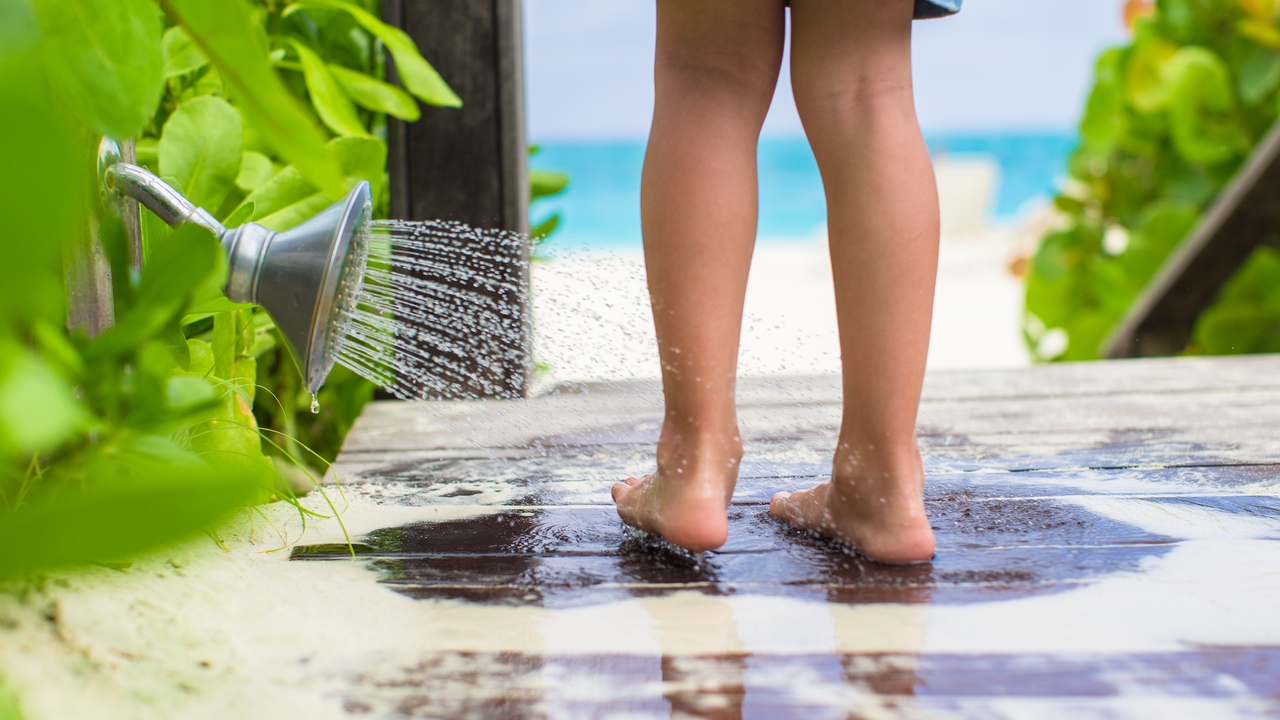
All of this generates call traffic in the CAC, with additional cases, such as “possible restrictions on the filling of swimming pools, or the need to mobilize tanker trucks for municipalities with fractionation of the water supply due to the drought.” More typical of vacation spots, such as broken beach showers, etc. “Things that do not happen the rest of the year because they are not used,” observes the head of Aqualia’s CAC.
All of this determines information and attention needs on the part of customers, who resort to the telephone service to resolve them.
Call curves
Just as July is the month in which the CAC receives the most calls, there are days and hours with more and less work for the service manager staff.
By day, “Monday is the most numerous in calls. It is closely followed by Tuesday and decreases throughout the week, until Saturday and Sunday, which is much smaller. However, the head of the CAC points out, “in summer there is an increase in calls, especially from tourist municipalities.”
Incoming calls are concentrated in the mornings, especially between 10 a.m. and 1 p.m., and in the afternoons, with less demand, between 5 p.m. and 7 p.m. And “as it is a 24-hour service, at night as well calls are received.
Two decades after its creation, when Carolina Serrano herself answered the first call received from Salamanca, the first municipality in which the line was established, the Aqualia CAC serves three million customers from 430 municipalities.