
The history of Spain is so rich and varied that Its towns hide anecdotes and secrets quite interesting. Beyond being able to observe Christ the Redeemer without having to take the plane to Rio de Janeiro, you can also visit castles where kings as important as Ferdinand VI “the Prudent”.
Summer is the most favorable time of year to take small excursions and learn all the secrets that the towns of Spain hide. One of the best saved and most interesting is the one that saves the Castle of Villaviciosa de Odónin the Community of Madrid. A municipality that also houses the old Calatalifa, declared an Asset of Cultural Interest.
This municipality became the refuge of King Ferdinand VI of Spainson of Philip V and María Luisa Gabriela of Savoy. This monarch reigned the country from 1746 until his death and, although he is known as “the Prudent” and “the Just”, the truth is that his last years of life were marked by episodes of delusions and mental instabilitysomething he inherited from his father and for which the latter had to abdicate.
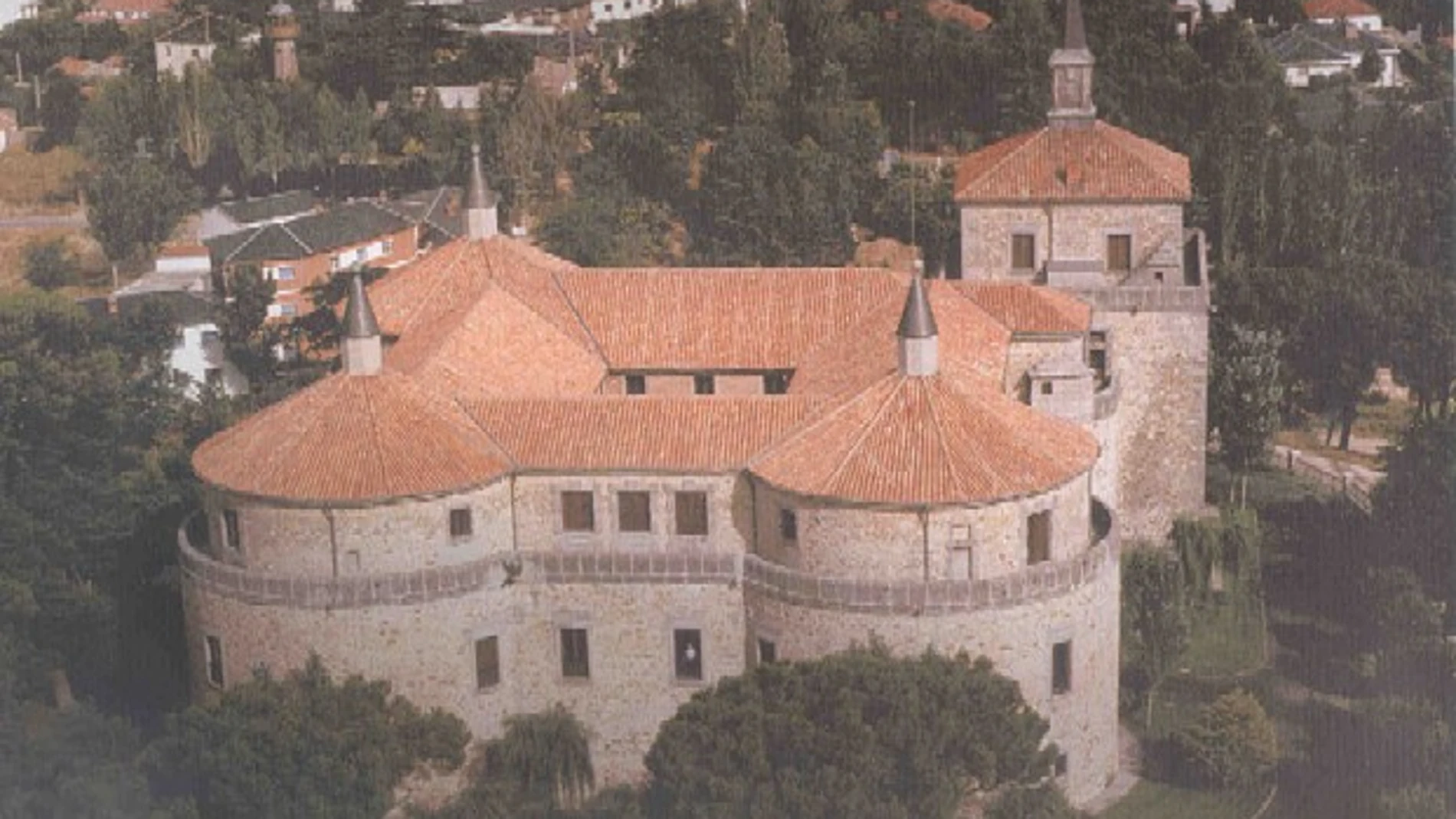
The Castle of Villaviciosa de Odón was the home of Fernando VI in his last year of life
These episodes became more violent after the death of his wife, Bárbara de Braganzaon August 27, 1758. Something that forced his personal doctors to move him to a place where he could rest and get away from the memories of his late wife. The chosen people were Villaviciosa de Odónwhich, at that time, only had a few houses and its castle.
It was precisely in this castle where King Ferdinand VI spent his last yearfacing a mental illness that caused him to behave as eccentric as sleeping on two chairs, playing dead, or even bite staff. For this reason, and after several attempts to take his own life, his doctors decided give you opiates to calm him down and reduce his attacks.
Despite the doctors’ attempts, Ferdinand VI died on August 10, 1759less than a year after his wife. Leaving the castle free until the next confinement, that of Charles IV’s prime minister, Manuel Godoyin 1808. The Spanish politician was removed from office after having unleashed the Aranjuez Mutiny and having separated from María Teresa de Borbón, countess of Chinchón.
A building that was rebuilt by Juan de Herrera, architect of El Escorial
However, the castle in which these two key figures in the history of Spain were imprisoned It was not the one that had been built in the first place.. The origin of this building dates back to 1496, when the first counts of Chinchón ordered its construction. Later, in 1521 and during the Revolt of the Communards, captains Diego de Heredia and Antonio Mesa they destroyed the castle.
Its reconstruction would not last until 1583when the third count of Chinchón, Diego Fernández de Cabrera y Bobadilla, He ordered the architect Juan de Herrera to rebuild the castle. This architect was the most representative of the reign of Philip II and was in charge of such important works in Spanish architecture as the monastery of El Escorial or the Cathedral of Valladolid.
Thanks to his skill as an architect, the castle acquired the imposing presence it has today. with four circular towers and a square tower twenty-five meters high. Likewise, it has walls up to three and a half meters thick and a fountain at your entrancelegacy of Ventura Rodríguez. Being intended for the residence of kings, it does not present some of the usual elements in military defense buildings.
It currently houses the Historical Archive of the Air Force and can be visited
Although this castle was not only the place of confinement of these figures, but also housed the Special School of Forestry Engineers in 1846. Later, in 1886, it was the place where the College of Educators of the Carabineros Corps was established, returning to its military origin, and it became troop barracks during the Spanish Civil War.
From 1972 until presentits interior houses the Historical Archive of the Air Forcebeing open to the public to learn about both its architectural value and the history it holds. These visits usually last an hour and, normally, their visitors also take advantage of the opportunity to be able to get to know the historic center of the town, with other places of interest such as the Manuel Godoy House-Palace.
Furthermore, its proximity to the center of Madrid, so only 30 minutes by car and about 40 minutes by public transportation, make it an ideal destination for those who want to take a short getaway from the city. In this municipality, you can not only enjoy its rich history and architecture, but also of its gastronomy.