
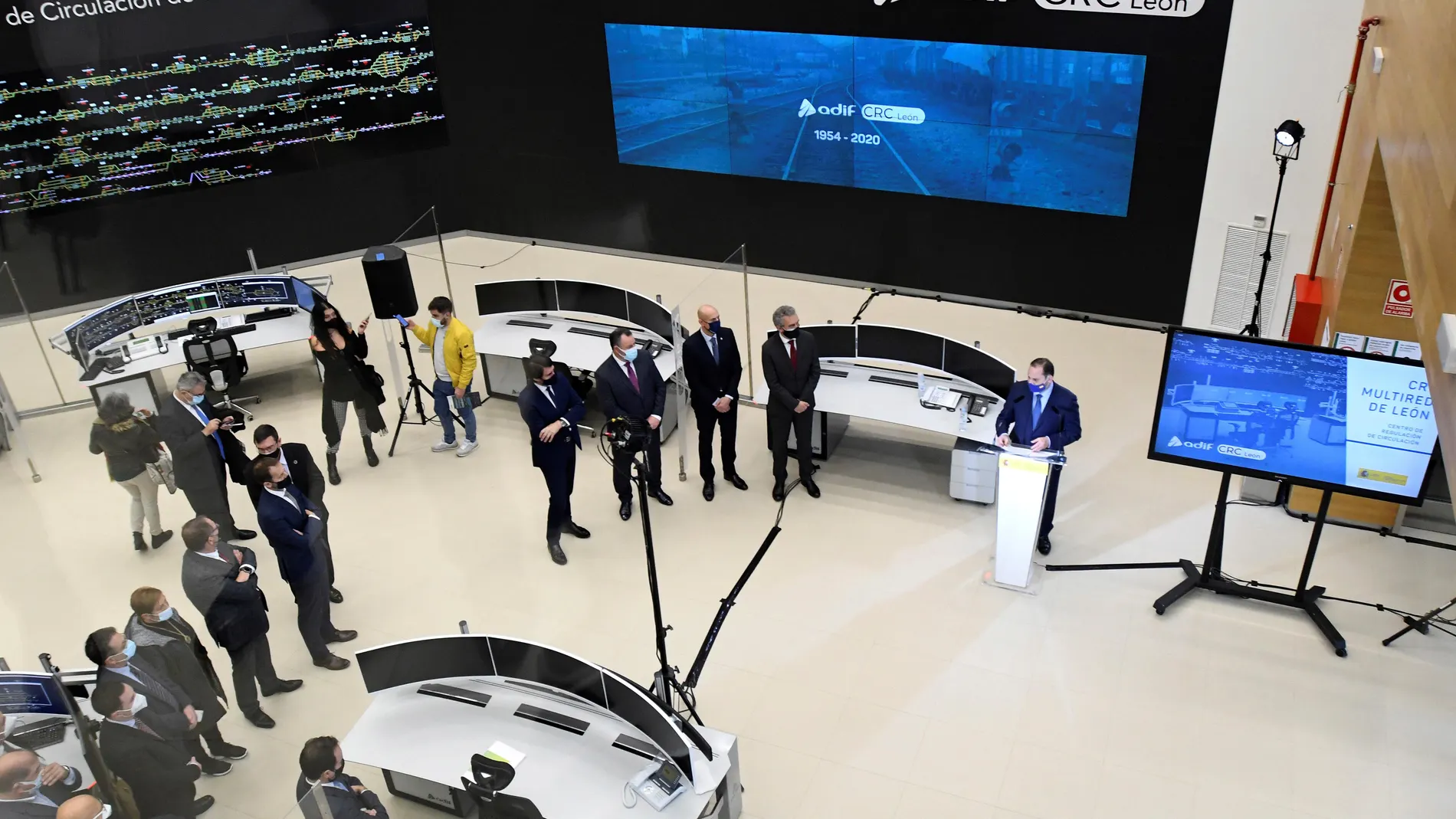
He decree law approved on Tuesday by the Government in the Council of Ministers of urgent measures to strengthen operational safety in railway transport and the social protection of railway personnel does not contemplate any measure to improve the working conditions of Adif controllers.
The legal text creates a specific chapter that regulates the communication of risks for railway operational safety and the protection of personnel, reinforces the inspection and control capacity of the State Railway Safety Agency (AESF) and introduces changes to compute the driving times of train drivers, specifying which activities and periods must be counted as driving time. However, it does not contemplate any change in the working conditions of Adif controllers, indicated by former Transport Minister Óscar Puente as the origin of the accident in Urda (Toledo) and who have also demanded improvements related to their working hours.
After the accident, the group reported deficiencies in its operation derived not only from the lack of personnel but also from the poor organization of its dayswhich they claim forces them in some cases to carry out marathon days, with the consequent increase in fatigue and risk for operations.
Although these complaints, however, came from very far away, from many years ago.
In 2021he The Railway Circulation Union (SCF) has already demanded that Adif regulate work and rest times. The requests also followed one another in the months prior to Urda’s accident. In Januarythe union convened the conflict commission to demand measures due to the lack of personnel both in stations and in regulation centers. The letter warned that the increase in the number of traffic and temporary speed limitations (LTV) – restrictions that are introduced when an anomaly is detected on the road and that is maintained until it is resolved – had increased the pressure on those responsible for traffic, who in in some cases they could not leave their posts during the entire working day. This circumstance, according to the SCF, increased the risk of mental fatigue. For this reason, the union demanded a significant increase in vacancies in the following public employment calls, in addition to immediate reinforcements in all CRCs to cover incidents.
The group’s warnings were repeated in May. Then, the SCF sent a letter to the State Railway Safety Agency, in which questioned the organization of the days and breaks. The union criticized Adif’s technical instruction on planning and management of traffic control activity times, which was published in November 2025. The union denounced that Those responsible for traffic could face continuous days of up to 12 hours without effective breaks for lunch.while Workloads sometimes prevented us from enjoying breaks in front of screens.. For this reason, he demanded to limit the continuous work day to six hours and the daily work day to nine, in addition to establishing reliefs that would allow work to be interrupted safely.
The union also requested that work times account for the real loads of the control centers and demanded a review of the technical instruction with the participation of worker representatives.
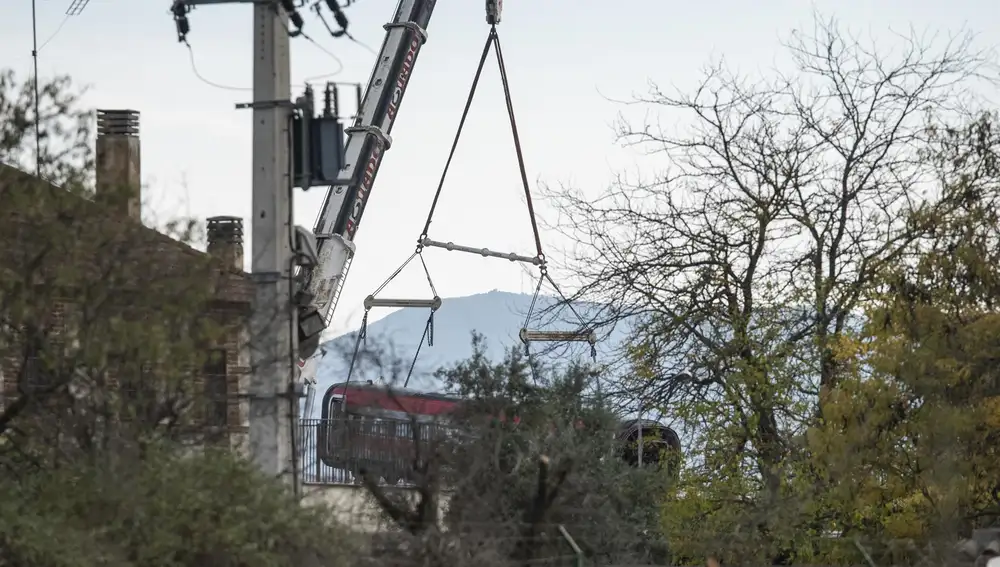
The claims continued the same month as the Urda accident, in Octoberwith protests being held in front of the Adif headquarters in Madrid. They requested an agreement that recognized the conditions of the group, the coverage of vacant positions, adequate staffing and the review of functions and professional progression times.
After the accident, the group’s complaints intensified. Unions such as CSIF ensure that the regulation and control center (CRC) of Atocha has 20% less staff than would be necessary to guarantee an optimal level of security. This, they say, has an impact on their work at a time, in addition, when, they warn, incidents have multiplied, which increases their difficulties in managing traffic.
In addition, they have also denounced the pressure they suffer from Adif to resume traffic as soon as possible when incidents occur to avoid paying compensation to travelers for possible delays.
Given the passivity of the Government for its demands, the SCF has called a 24-hour strike in Adif tomorrow and next Wednesday. On the first day, the union will join the strikes already planned and called jointly by other union organizations such as CC OO, Semaf and Alferro. The one on the 19th is an additional and exclusive call for this union.