
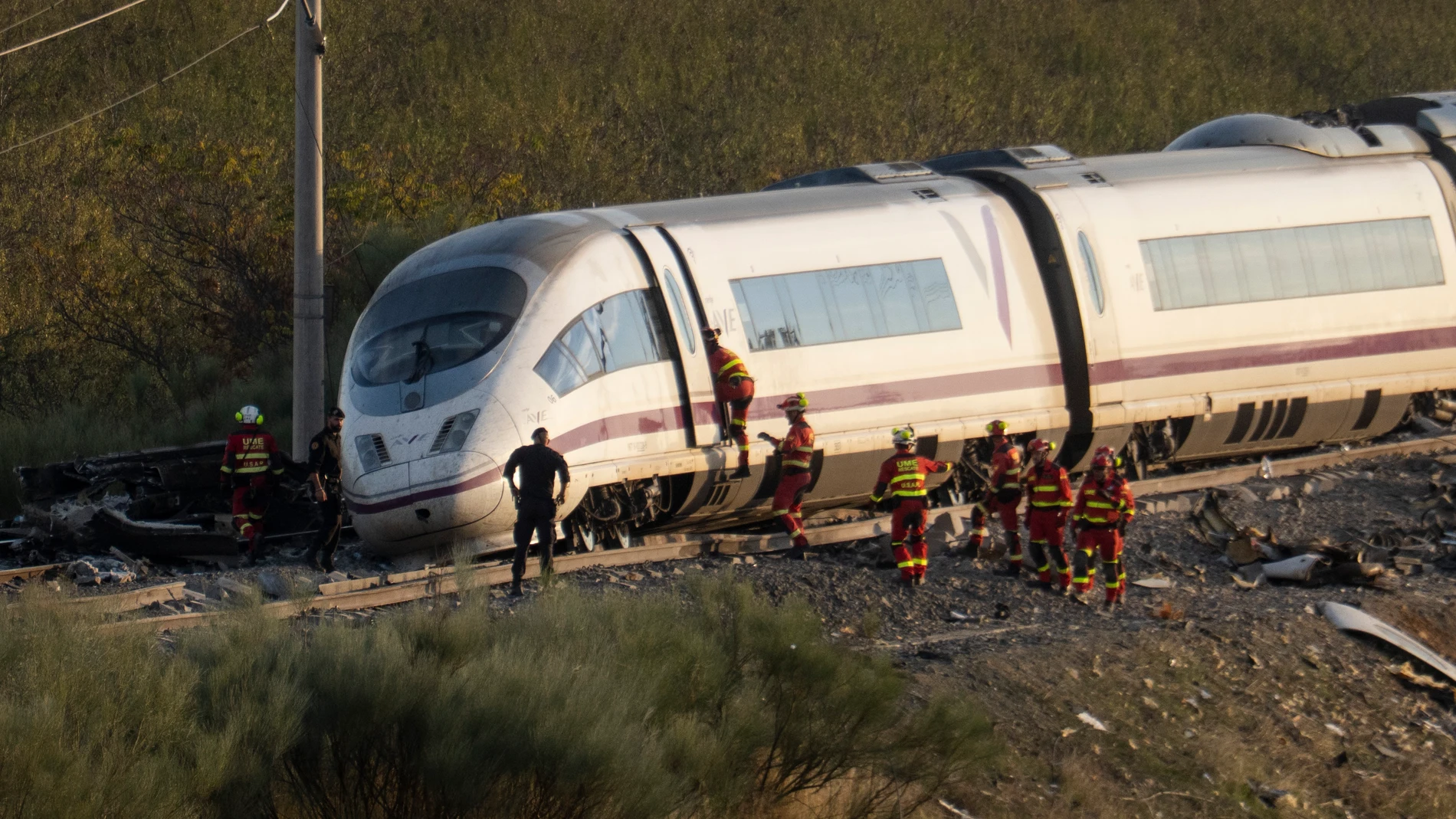
He Minister of Transport, Óscar Puenteassured last week that the LZB security system which fell just before the Urda accident has suffered 170 incidents this year. An amount that, according to him, is within normality and is even below the 200 that he has suffered in previous years.
What, however, the Minister of Transport failed to comment on, according to sources from the train drivers and Adif controllers, is that The system outage that occurred on Wednesday, October 28 in the section of the Toledo town is unusual.
According to these sources, The failure “was not normal. “The entire system fell.”. Furthermore, as they add, it affected a very wide section of the Madrid-Seville high-speed line route, 63 kilometers, affecting four more trains in addition to the two that were damaged.
According to the president of Adif, Luis Pedro Marco de la Peña, last Friday, the problem with the LZB began at 8:31 a.m., when it became clear that there was a problem with the communication of the railway manager’s system with the trains. That central office from which traffic is ordered, as detailed, is made up of three computers and a communication module. Then, Two of the three computers and the communication module fell. According to Marco de la Peña, maintenance services, which are in the same premises as the computer equipment, arrived five minutes later, and at 8:37 they managed to recover the transmission module. Immediately afterwards, they tried to recover the computers and also recover service with the only computer that was operational. However, they did not have time to migrate to a single computer and minutes later, the AVE hit the Iryo near Urda.
A fall of this type, the sources consulted insist, is not common. «What happens most often is that the connection of the LZB with the train, with the equipment on board, is lost». It is, they add, a failure that is similar, saving distances, to what can occur when when trying to pay with a credit card a POS fails the first time due to a connection error but, when you swipe the card a second time, it charges correctly. Something punctual and fast.
The sources consulted assure that these small disconnections tend to occur especially with the Iryo and Ouigo trains. The CEO of the company, together with Renfe, involved in the Urda accident, Fabricio Favara, already declared a month ago in the Senate that the main problem reported by its drivers was the failures of the safety system and that it was difficult for them to reconnect when there were falls in the LZB. Last Wednesday, in his public appearance to offer news about the progress in the accident investigations, Puente, in response to the fact that the Iryo that was hit by the AVE tried to start twice without success, slipped that the reason for this is perhaps due to “problems with the systems that are on board” that may have to do with the fact that they do not want to invest to renew it given that this safety system is about to be replaced by ERTMS.
In the case of Ouigo, the French operator had to delay the start of its services in the Andalusian corridor several times because its Alstom trains do not have the LZB and since it was almost discontinued – one of the reasons why it is being replaced – they had to assemble from scratch on-board equipment compatible with that of the line from different parts.
But what happened last Wednesday in Urda “It’s more serious” because everything failed at the same time.
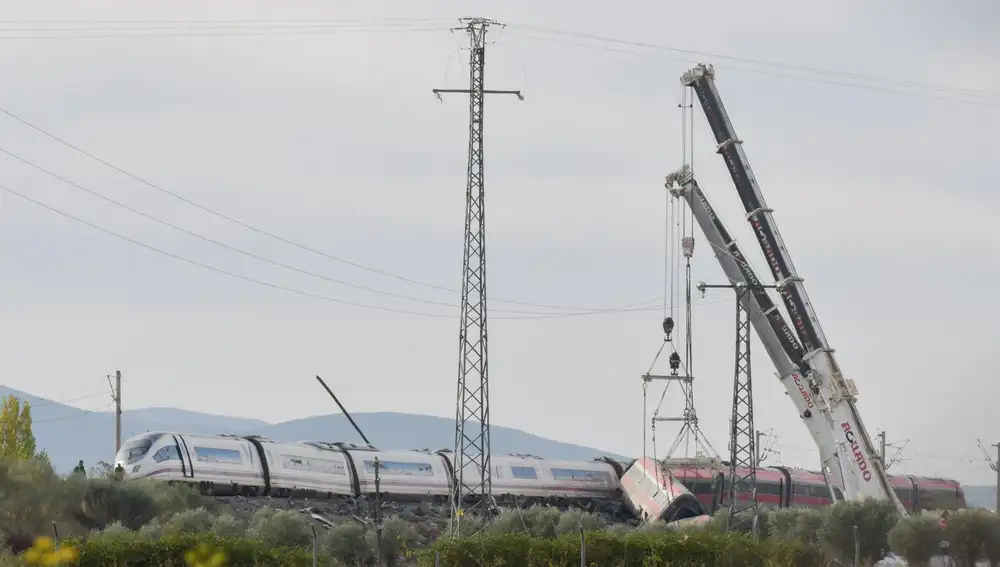
Although Puente, Adif and the experts assure that the LZB is a safe system – and, as Marco said, it stopped traffic the moment it detected a failure – the truth is that the railway sector assures that it is a mechanism much more exposed than the most modern ERTMSwhich has already been installed in the Andalusian corridor but has not yet come into operation because it is still in the testing phase.
The LZB, remember, is a system that is supported by cables that run along the track which is “more sensitive because if those cables are accidentally touched” it fails. “Now, with the work to replace it with ERTMS, many people pass through the tracks and there are mornings when there are problems starting the service,” these sources explain.
ERTMS, however, is a system that works through beacons that are installed along the route. However, as they clarify, these devices are encapsulated in metal boxes that are more difficult to suffer accidents like the LZB cables.
Added to the possible accidents are the continuous acts of sabotage suffered by the high-speed lines, with the continuous cable thefts which, in the case of the Madrid-Andalusia corridor, are quite frequent in the Los Yébenes area where last week’s accident occurred.
Although after the Urda accident the LZB and the fact that, if it had already been operational, the ERTMS could have prevented the catastrophe, have been questioned, the truth is that both controllers and drivers agree that this safety system, although more modern, also suffers from failures. What they have noticed, they say, is that the trains contact the ERTMS more quickly when a disconnection occurs.