
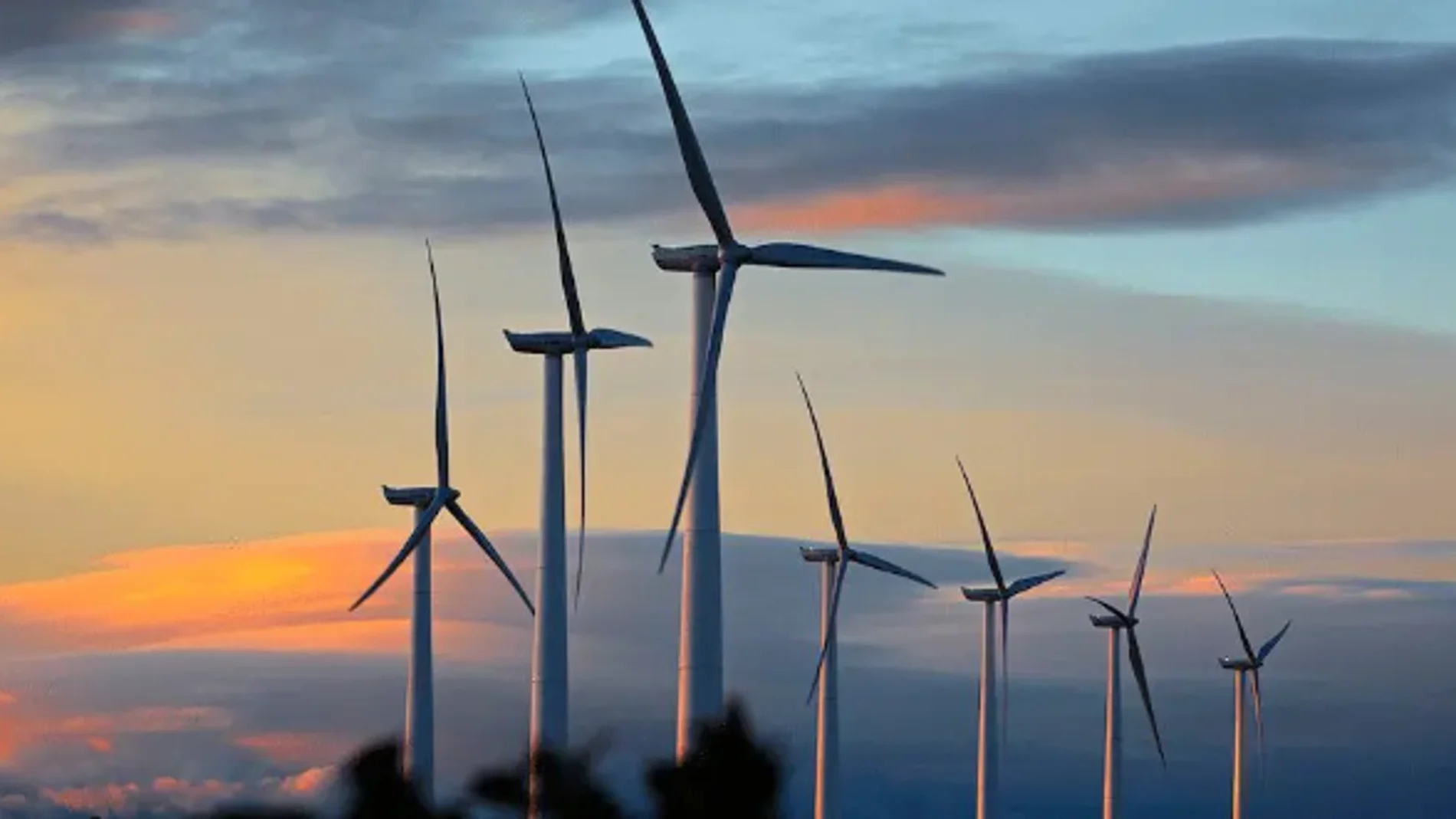
Climate variability and long-term climate change are factors that increasingly determine the reliability of renewable energy systems around the world, according to the latest report published by the World Meteorological Organization (WMO) and the International Renewable Energy Agency (IRENA) Climate-driven Global Renewable Energy Resources and Energy Demand Review: 2024 Year in Review.
The report confirms that 2024 is the warmest year on record, with the global average temperature estimated to be 1.55°C above pre-industrial levels, exceeding the 1.5C limit of the Paris Agreement. The data makes 2024 the first to exceed this threshold, consolidating a decade of record temperatures and putting long-term climate objectives at serious risk.
Furthermore, the reportpoints out the pronounced changes that occurred in 2024 in the potential of solar, wind and hydropower on a regional scale and estimates the increase in global energy demand due to climate at 4% compared to the average for the period 1991-2020.
These climate-related changes occur at a time when global renewable energy capacity has surpassed 4,400 gigawatts (GW), so the interaction between climate conditions and energy systems is taking on an unprecedented magnitude.
Determinant operating factor
The report’s findings highlight the pressing need to integrate climate knowledge into energy planning as countries work to meet the United Nations Framework Convention on Climate Change (UNFCCC) Consensus of tripling renewable energy capacity and doubling energy efficiency by 2030.
“Climate variability is no longer a secondary aspect for the energy sector and is now a determining operational factor,” in the words of Celeste Saulo, Secretary General of the World Meteorological Organization (WMO), “as renewable energy systems expand, their performance and reliability are increasingly affected by extreme heat episodes, variability in precipitation and changes in atmospheric conditions. The integration of climate information and early warnings in energy planning is essential to build clean and sustainable energy systems. resilient,” says the WMO Secretary General.
Seasonal forecasts becoming more useful
For the first time, the report assesses the accuracy of seasonal climate forecasts for energy indicators. According to the results of the analysis, forecasts – particularly those from the European Center for Medium-Range Weather Forecasts (ECMWF) – can correctly anticipate regional anomalies in solar energy potential and electricity demand months in advance. For example, forecasts issued in early summer 2024 correctly noted exceptionally high energy demand and below-average performance of solar power systems across much of Africa.
These advances show that early warning information on heat waves, changes in precipitation and large-scale climate conditions can help manage system load, contribute to the smooth functioning of reservoirs and infrastructure programming activities, and support cross-border trade in electricity, thus leading to lower volatility in both supply and demand.
Energy planning
Countries are immersed in the preparation of their long-term development strategies with low emissions and, in view of this situation, the report highlights the need to strengthen energy planning, “The global energy transition is unstoppable, but it must be based on climate reality,” says Francesco La Camera, director general of the International Renewable Energy Agency (IRENA). For La Camera “this report shows that understanding climate variability is essential to be able to make smart investment decisions, strengthen energy security and ensure that the rapid increase in renewable capacity allows us to reliably supply energy in real climate conditions.”
Naturgy awarded for its climate commitment
Driven by the need to combat climate change, reduce emissions and meet the goals of net zero emissions by 2050, energy companies have been working on the transition towards the provision of cleaner energy. In this framework Naturgy has been recognized for yet another year, with the highest rating, A-List, in the Climate category of the Carbon Disclosure Project (CDP) index, consolidating itself as one of the leading global companies in climate management. In 2025, only 2% of the more than 21,000 companies evaluated by CDP achieved this distinction, awarded to the company for its transparency and performance on climate change.
According to the company, since 2017, it has reduced its direct greenhouse gas emissions by 44% and has reduced the CO₂ intensity in electricity generation by 40%, aligning with the objectives of the Paris Agreement. For Nuria Rodríguez, director of Environment and Social Responsibility at Naturgy, «this new recognition from CDP reinforces the validity of our strategy and the commitment we assumed years ago with the mitigation of climate change. The ‘A-List Climate’ certifies that Naturgy is contributing to the energy transition, integrating renewables, innovation and transparency.