
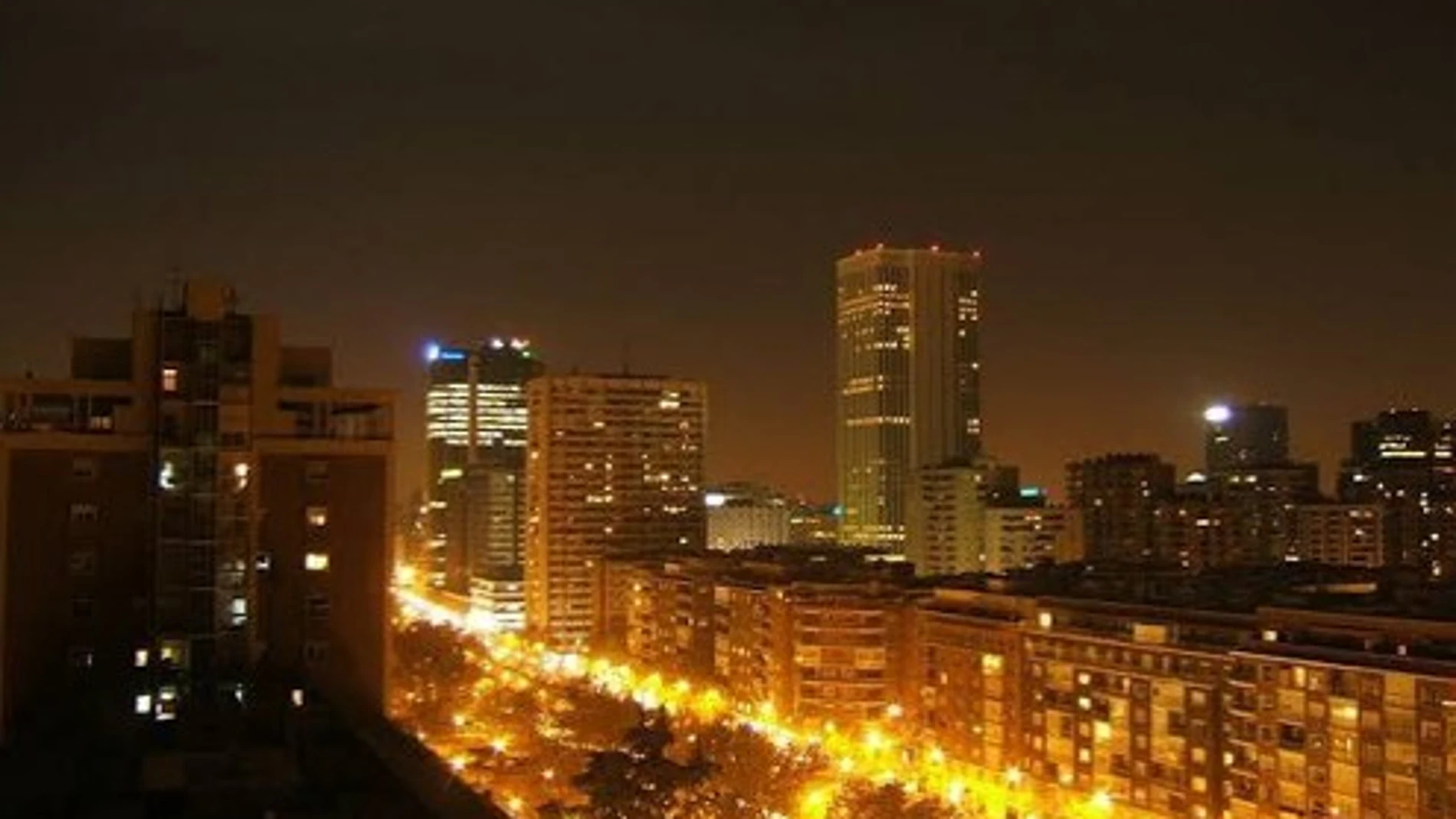
When night falls, the natural darkness guides millions of birds during their movements. But artificial skyglow, which extends far beyond urban centers, alters their routes and makes light pollution a growing threat to wildlife.
Light pollution gives no respite. The latest scientific publication published by the DarkSky International organization in 2026 confirms that artificial night light continues to gain ground and reach. The phenomenon already affects about 23% of the earth’s surface located between 75° north and 60° south, including 88% of Europe, and extends over about 1.9 million square kilometers of coastal seas at a depth of one meter. On the European continent, a 2025 scientific policy report raises the alert even further; according to its data, 99% of the population and biodiversity live under skies contaminated by artificial light.
Alteration of natural patterns
Natural darkness is an ecological resource comparable to clean water, air and soil. The alternation between light and darkness provides fauna with essential spatial and temporal information to orient themselves, feed, reproduce and synchronize their seasonal movements. Artificial light disrupts the natural patterns of light and darkness in ecosystems, and contributes to the deaths of millions of birds each year, as light pollution can cause birds to change their migration patterns, foraging behaviors, and vocal communication, causing disorientation and collisions.
Migratory birds are attracted to artificial light at night – especially when there are conditions of low cloud cover, fog, rain or when flying at low altitude – which attracts them towards the dangers of cities.
Birds can become trapped circling in illuminated areas. By using up their energy reserves, they increase the risk of exhaustion, predation, and collision with buildings or other structures. Many birds that migrate at night—such as ducks, geese, plovers, sandpipers, and songbirds—are vulnerable to artificial light. Disorientation can alter your routes and increase the likelihood of fatal collisions.
Safer skies
In February 2024, parties to the United Nations Convention on Migratory Species approved international light pollution guidelines applicable to migratory species. The framework expands and updates previous recommendations for sea and coastal birds, sea turtles, land birds, bats and other vulnerable groups.
The guidelines recommend incorporating artificial night lighting into environmental impact assessments and applying a clear hierarchy: avoiding unnecessary lighting, maintaining natural darkness where possible and mitigating the effects when lighting is essential.
Observe to protect
This year, World Migratory Bird Day is celebrated on May 9 and October 10, coinciding with the different peak migration periods in the northern and southern hemispheres. Its motto, “Every bird counts, your observations matter!”, invites participation in monitoring and community science programs.
Observations provided by volunteers help detect changes in the abundance, distribution and passage dates of birds. Gathered along migratory routes, such data expands the available scientific base and can support conservation decisions at local and international scales.