
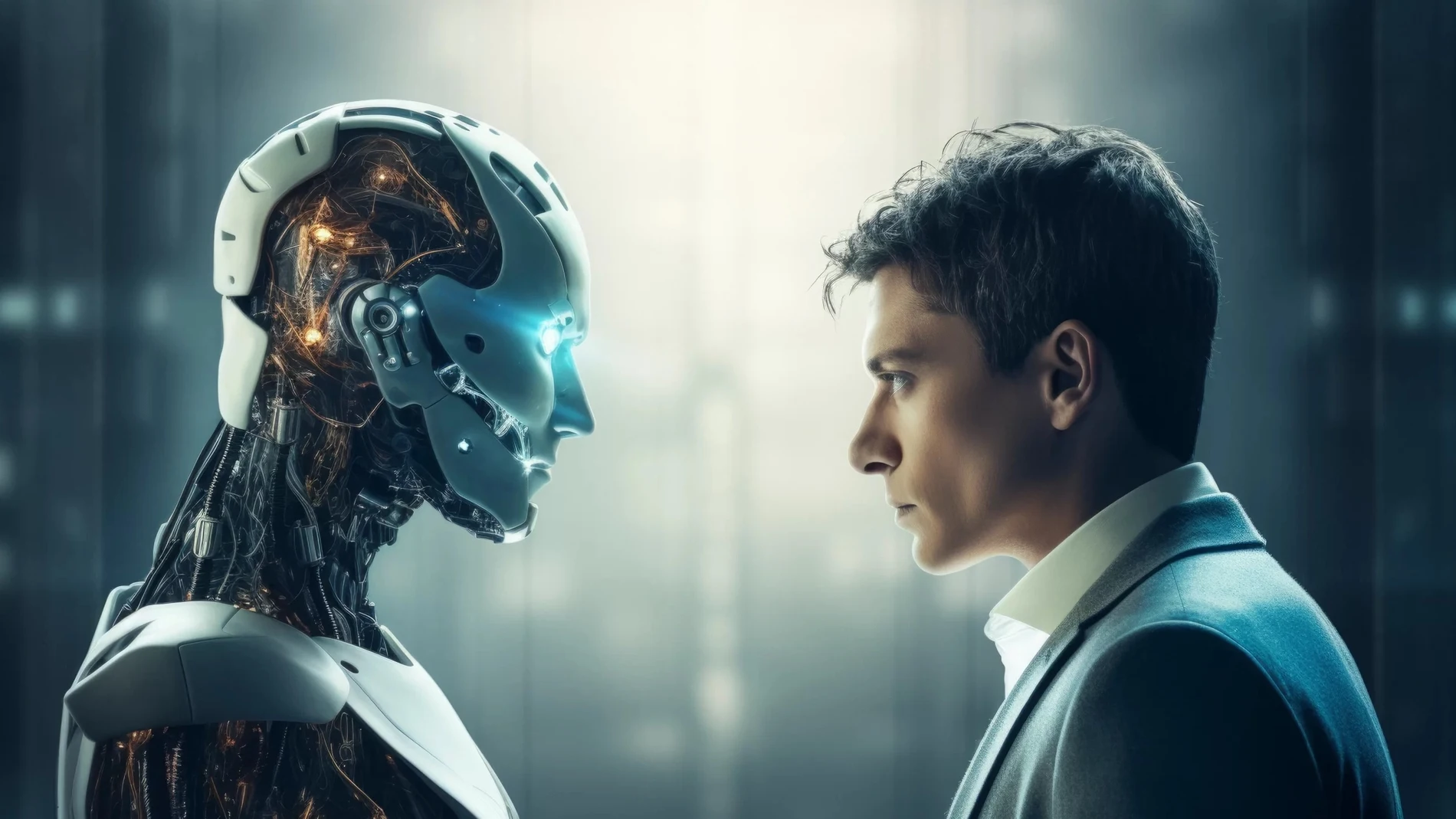
Artificial Intelligence is suffering its first major crisis of confidence since it began to amaze us in 2022. It is a black September plagued by experts, companies, legislators, governments and technological parents who regret its very rapid evolution and consider it a threat to humanity.
They have gone from heroines to villains and not only their most powerful versions, from OpenAI and Anthropic, capable of penetrating sophisticated computer systems. Also the most popular models, from Google and Meta, and the cheapest, from Chinese companies, have been caught committing crimes or cheating and not because of cyber hackers or extremists but on their own initiative.
The greatest danger of AI was considered to be that some criminal mastermind would use it, as has already been attempted, to produce viruses, steal secrets, make weapons or start wars.
Now, the fear of Artificial Intelligence is also because of what it can do itself.
The fear is fueled by cases of models infiltrating various entities throughout this year on their own, without human orders. But also that these incidents have been revealed, with a long delay, without clarifying what programming or training errors could have caused them or how spontaneous “swarms” of agents could have formed to meet objectives also defined by themselves.
In California’s Silicon Valley, the North American companies that fuel the AI revolution are divided over how to regulate and supervise its development, but they agree, like Democrats and Republicans in Congress, that it must be done as soon as possible.
Achieving it is not going to be easy, both because of the million-dollar investments at stake and because of the struggle between Washington and Beijing to lead this technology.