
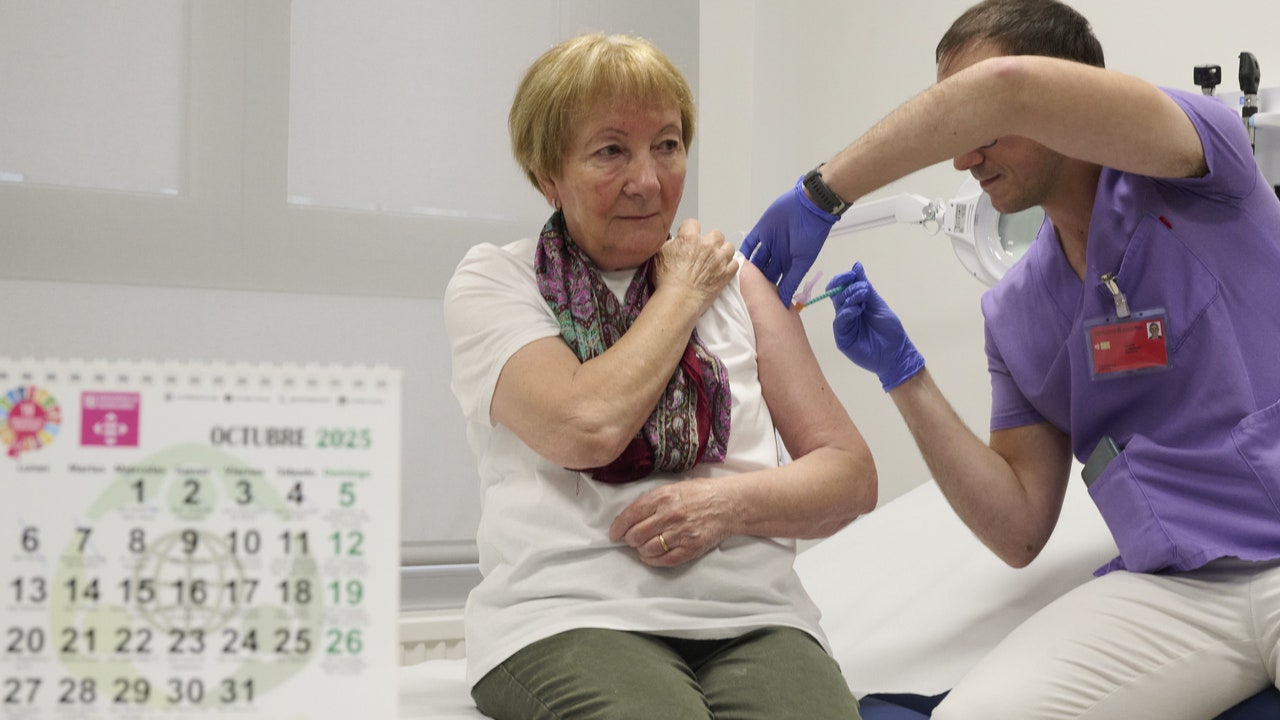
The flu is transmitted from person to person through droplets we exhale when breathing, talking, coughing, sneezing, etc. But it can also be transmitted through contaminated objects, if we touch them and put our hands to our mouth, eye, nose, etc. It causes respiratory infections, mainly affecting the upper respiratory tract, although it can also produce other symptoms. On the other hand, Covid-19 has similar transmission mechanisms and is also highly contagious. It mainly affects the respiratory system, but this time with greater preponderance in the lower airways (lungs) and also affects other organs and systems of our body.
Why is it important to get vaccinated in this time of flu and Covid-19?
In the case of the flu, we are at the moment when the virus begins to circulate like every year and we must help our immune system create defenses to protect itself. And in the case of covid, we also know that, from now on, its circulation begins to increase and individual isolation measures are not being taken in case of presenting respiratory symptoms.
Who can do it and how should you make an appointment or face this vaccination?
Anyone who is aware of the importance of getting vaccinated can make an appointment at their health center. In many cases, it will be the health center that contacts people included in the risk groups (against flu and Covid-19) or by age (>60 years in flu and 70 in Covid-19), to offer vaccination and an appointment. It is important to highlight that people who are not called to be vaccinated, but who live with people at risk, due to pathologies or age, can request vaccination.
How does vaccination improve a person’s life?
The diseases we talk about can cause infection and limited illness in most people. But in many others, especially those who suffer from chronic pathologies or have a weakened immune system (immunosenescence due to age), this infection can cause a more serious illness and/or a worsening of their underlying pathologies, especially cardiocirculatory pathologies, those of the respiratory system, metabolic pathologies -diabetes, obesity, etc.-, and many others. This severity can lead to hospitalizations, ICU admissions and even deaths.
What are the symptoms I may have after getting vaccinated?
Flu vaccines are very safe, this means that, without being free of possible adverse reactions, they are mild and self-limiting. In most cases, these symptoms will be local, such as pain at the injection site, induration, redness, etc. Some general symptoms may also appear, such as general malaise and fever. If more serious symptoms appear, you must go to health services to assess their possible relationship with the vaccine received.
How can I convince a family member who does not want to get this vaccine?
The best way to convince a person who is reluctant to receive flu and Covid-19 vaccines is to recommend that they visit their nurse and/or doctor to present their doubts and receive the necessary explanations, always based on scientific evidence. There is a lot of information circulating on the Internet that is nothing more than hoaxes and falsehoods, without any scientific basis, that we should not believe and, much less, circulate them with other people. We must seek information from scientific organizations and societies, the administration, and serious and responsible health professionals, who will give us this truthful information.