
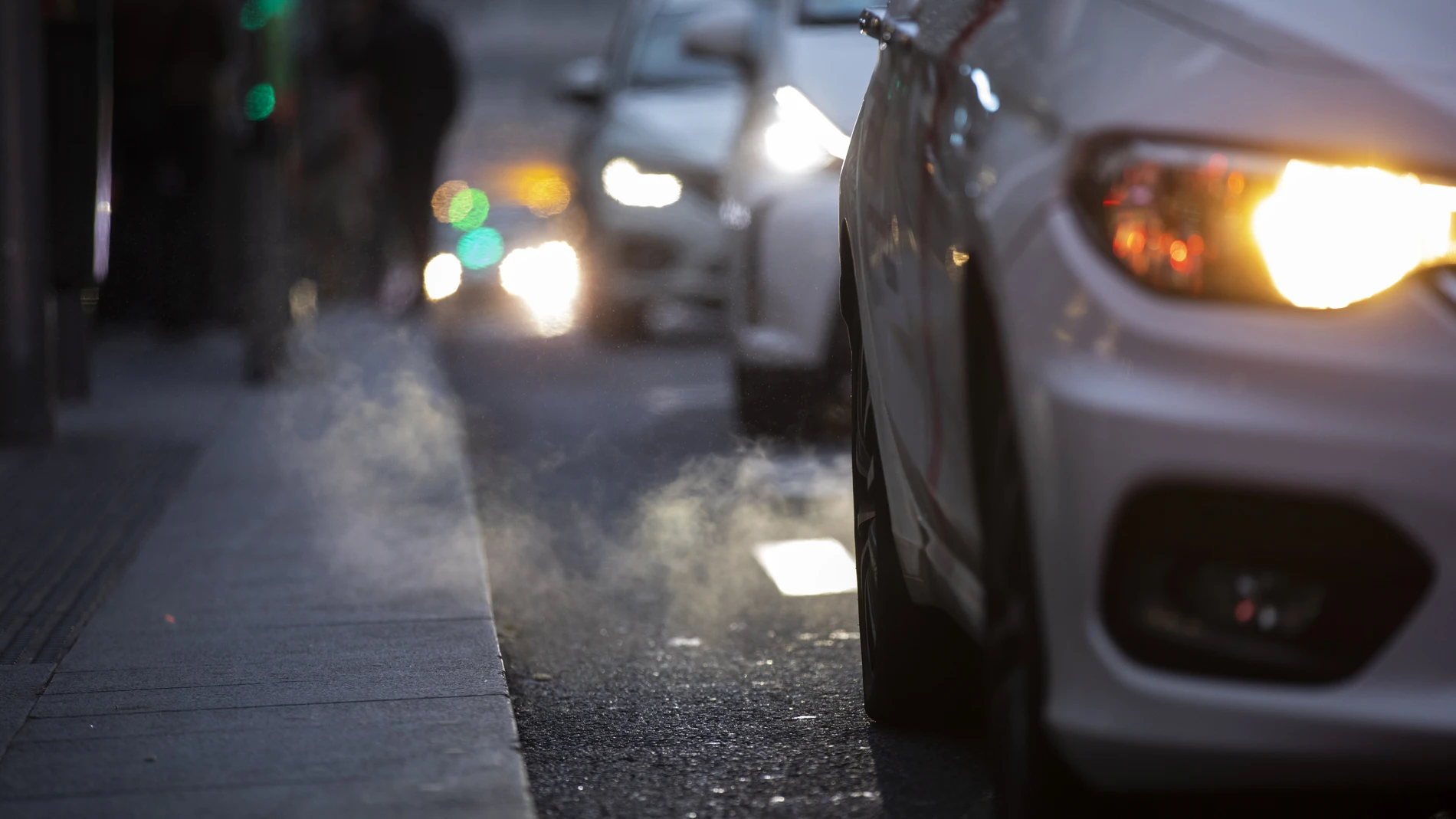
Breathing polluted air could be behind 146,500 premature deaths each year in Europe. A macro study led by Barcelona Institute for Global Health (ISGlobal) concludes that even short-term exposure to pollutants such as fine particles, nitrogen dioxide or ozone has an immediate impact on health and increases the risk of death within days. Researchers also warn that pollution does not affect the entire population equally: young men and elderly women are among the most vulnerable groups.
It is the result of extensive and exhaustive research published in the scientific journal Nature Health, which analyzed about 89 million deaths recorded between 2003 and 2019 in 653 European regions and offers one of the most complete x-rays carried out so far on the immediate impact of pollution on mortality.
Fine PM2.5 particles—those with a diameter less than 2.5 micrometers—are especially dangerous because They can penetrate deep into the lungs and even reach the bloodstreamtriggering inflammation, cardiovascular alterations and other rapid effects on the body. In fact, according to the study’s estimates, they are related to around 79,000 premature deaths per year, ahead of nitrogen dioxide, ozone and coarser particles.
«To assess exposure to air pollution, Daily levels of various pollutants across Europe were estimated using station data monitoring, satellites, land use and meteorological variables, and were subsequently adjusted at the regional level, giving greater weight to the areas where the largest population lives,” explains Carlos Pérez García-Pando, ICREA and AXA professor at BSC-CNS.
Isidro A. Pérez, professor and coordinator of the Atmospheric Pollution research group at the University of Valladolid, highlights that the research offers a very broad vision of the problem by including geographical and demographic differences. As he explains, some results “are within what was expected, such as the contrasts between rural and urban areas, high and low latitudes, and eastern and western Europe». Specifically, it finds a greater impact in rural areas of coarse particles.
What type of person by age and sex would be most at risk?
One of the most relevant findings of the work is that pollution does not affect the entire population equally. The researchers observed that the Young men are more vulnerable to air pollutants than young women, possibly due to greater exposure associated with outdoor work, traffic or smoking.
Pérez emphasizes that the work includes that “in particular, they highlight the contrast between women and men under 65 years of age with NO2 or the impact of coarse particles in rural areas.” However, this pattern changes with age. From advanced ages, especially from 85 years of age, the highest risk is detected in women.
The study also points out differences depending on the type of pollutant and the cause of death. The particles were associated with a higher cardiovascular risk in womenwhile ozone showed a more pronounced impact on men.
«Our results are highly relevant for policy makers and public health professionals, as they support the use of epidemiological models adjusted for sex, age and comorbidities to create a new generation of early warning systems based on impact, which are specifically aimed at vulnerable groups,” explains Joan Ballester, ISGlobal researcher and coordinator of the study.
The authors also highlight that most previous studies analyzed contaminants independently or focused solely on large cities, while this work combines multiple pollutants and covers regions across Europe, offering a more complete and realistic view of health risks.
For this reason, Pérez also considers that work “can be a firm starting point for further improvements not only in the prediction of short-term mortality, but also for putting the means oriented towards its decrease.