
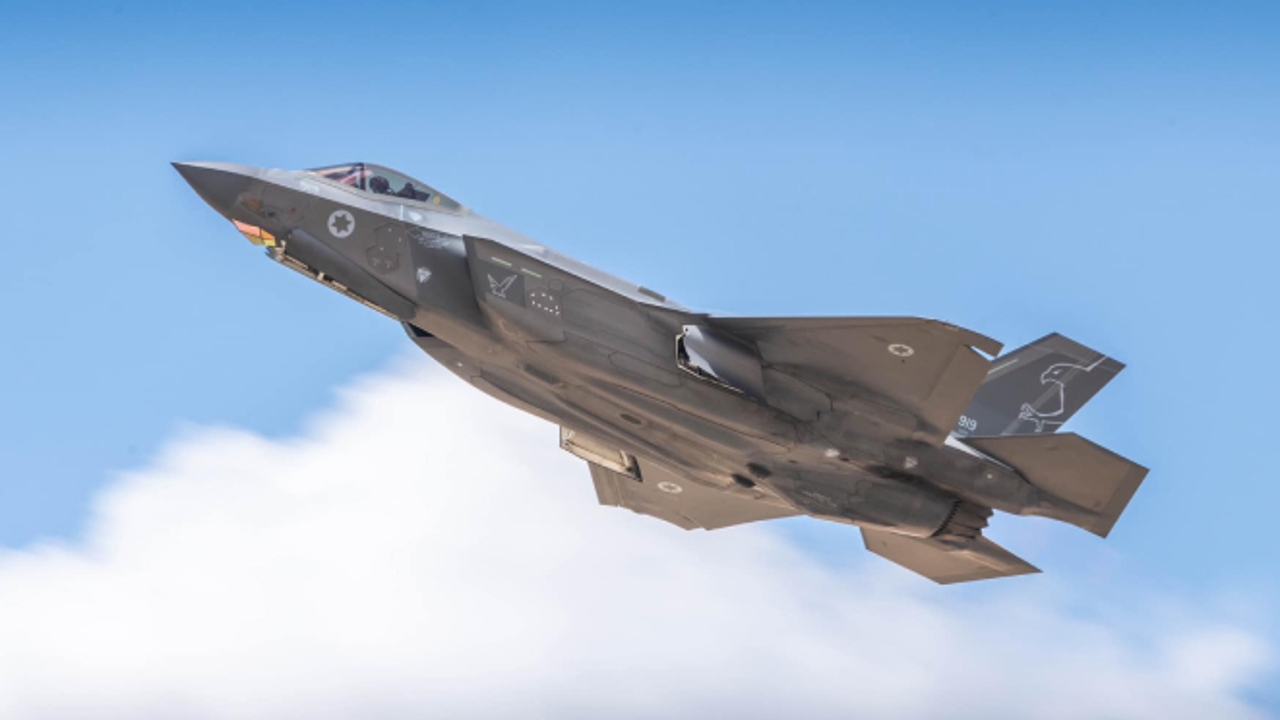
This Tuesday, Iran responded to attacks Israel in Lebanon to end the terrorist group Hezbollah with the launch of some 180 ballistic missilessome of them hypersonic. Israel managed to block most of them with its anti-aircraft systems, but Iran’s operation has raised the possibility of a large scale conflict between both countries. Supposing which country could win this clash is very risky, but it is possible to know Who has the advantage in terms of numbers of troops, both human and material?if both armies confront each other.
GlobalFirePower is an index that classifies the world’s military powers since 2005, based on information from open and publicly available sources such as reports from governments, international organizations, agencies such as the CIA and the media.
GFP allows military forces from around the world to be compared in each of their facets according to the numbers presented. This is only part of the whole picture, since quality also matters, so to speak. Iran is the country in the area with the greatest capacity in terms of ballistic missilesfor example, but Israel’s sophisticated air defenses mean that much of them fail to be effectiveas seen in last Tuesday’s attack. You can also have more tanks, but they are not as modern or effective as Israel’s. So this is a comparison based primarily on numbers.
Military personnel
According to GFP, Iran is above Israel as a military powerin position 14 in front of the 17. For reference, United States, Russia and China They occupy the first three. One of the reasons Iran surpasses Israel is because the number of military personnel availablewhich obviously has to do with population. This is from 88.5 million in Iran and 9.4 million in Israel.
Iran’s Armed Forces are among the largest in the Middle East, with 610,000 active duty troops and some 350,000 reservists trained, divided between the Iranian Army and the Islamic Revolutionary Guard Corps. Figures from the Israel Defense Forces, IDF, place the number of active military personnel in the Army and Navy at 169,500. Some 465,000 are in reserve115,000 more than Iran.
defense spending
Israel ranks as the twenty-fourth country in defense spending, while Iran is thirty-third. This represents a budget slightly higher than 24,000 million dollars in the first case compared to another slightly less than 10,000 million in the second.
In this regard, Iran is burdened by international sanctions, but it has other resources. According to the FDD, Foundation for the Defense of Democracy‘the military establishment controls (one fifth) of the market value of companies listed on the Tehran Stock Exchange and owns thousands of other companies, all of which generate income for the armed forces. Additionally, the Islamic Revolutionary Guard Corps controls a significant part of Iran’s shadow economy‘.
Nuclear weapons and missiles
Israel has possessed nuclear weapons since the 1960s, although it has never been very clear about the details. The NTIinitials in English of Nuclear Threat Initiativeesteem in 90 the number of Israel’s nuclear warheads and that it has enough nuclear material to manufacture up to 300. Iran, however, does not have nuclear weaponsbut it has been developing the means to produce them.
What Iran can boast of is its missile arsenal. According to the International Institute for Strategic StudiesIran has one of the West Asia’s largest ballistic missile and drone arsenals. This includes cruise missiles and anti-ship missiles, as well as ballistic and hypersonic missiles with a range of up to 2,000 kilometers that They can reach any place in Israel. Analysts say the nation has the most developed short and medium range missile system in the regionbut Israel has the defensive systems Iron Dome, David’s Sling and Arrow to oppose them, which have proven effective on numerous occasions.
Land, air and naval power
When it comes to land and air power, Iran often has numbers on its side, while Israel has technology. For example, Iran has more tanks than Israel: The former’s fleet is 1,996 compared to Israel’s 1,370, a difference of 626, according to the GPF ranking.
But although Tehran’s tanks are many more, they are mostly old models that cannot be put on the same level as the most advanced ones like the Merkavathe IDF’s preferred battle tank.
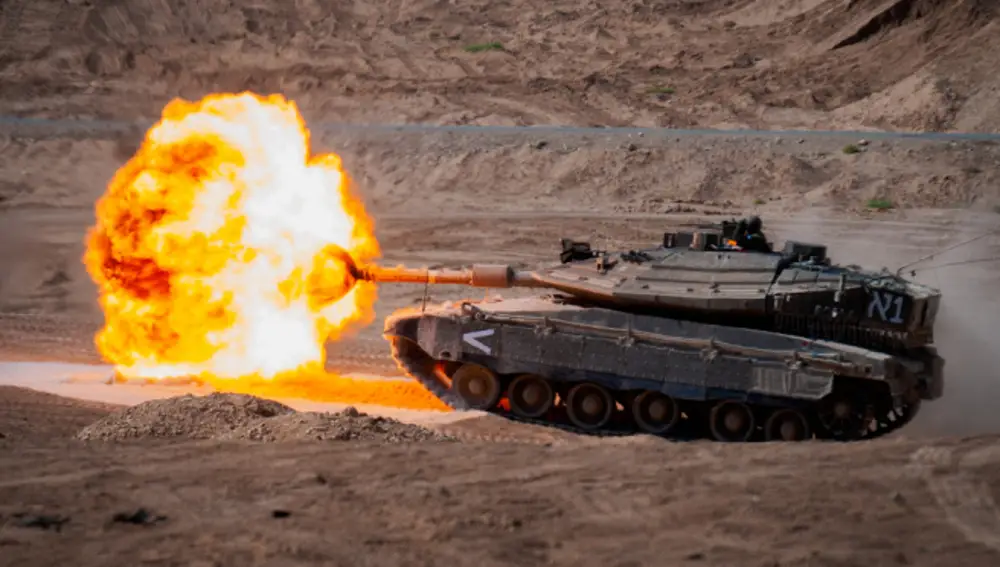
Iran too surpasses Israel by 22,358 armored vehicleswith approximately 65,765 and 43,407 respectively. It also happens with the towed artillery2,050 units versus 300, but not with the self-propelled580 from Iran compared to 650 from Israel. As to multiple rocket launchers, MLRSIran has a much larger number: 775 compared to 300.
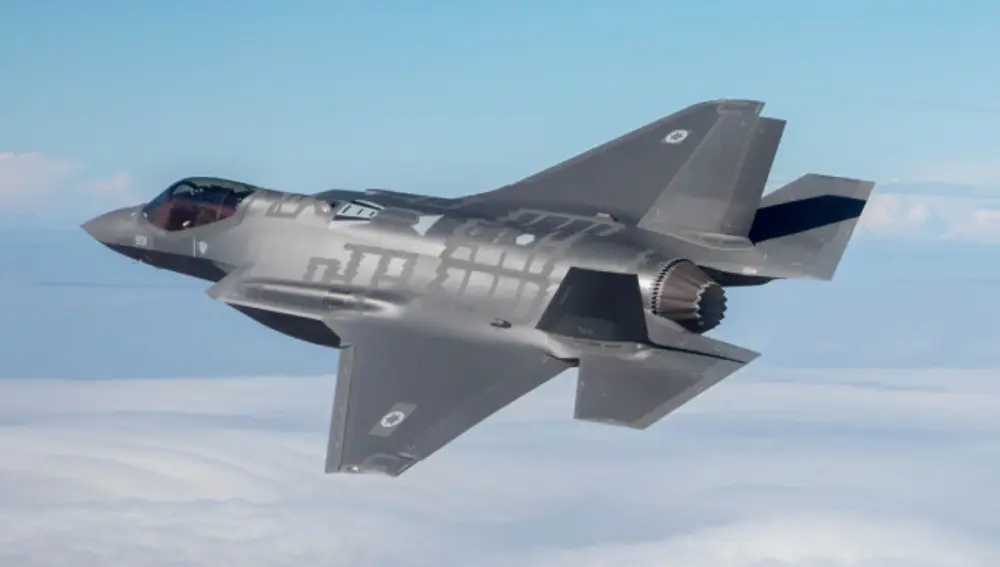
If we talk about the Air Force, the situation is different. The 551 Iran’s planes fall behind 612 which Israel has. As with tanks, Israel’s aircraft are more advanced than Iran’s and include fighter jets such as the F-15, F-16 and F-35. In terms of the number of fighter jets, Israel has 241 compared to Iran’s 186.
In terms of naval force, neither country has much of a presence. The strength of Iran’s fleet is 101 compared to Israel’s 67 and has 19 submarines compared to only 5 of the latter. In any case and due to geography, it does not seem that a conflict between both countries could develop at sea.
Geography, a determining factor
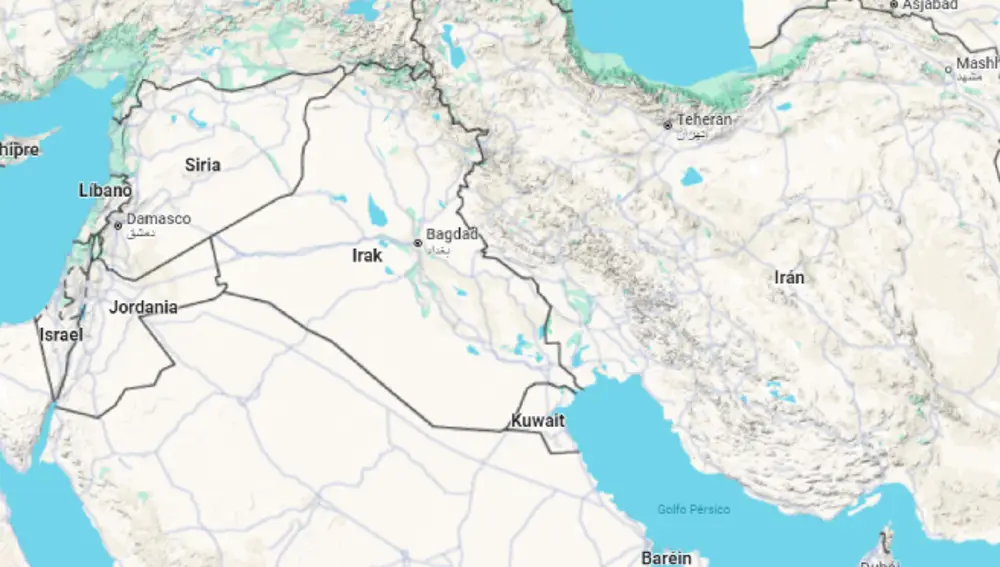
But the number of tanks and soldiers available comes second to another more determining issue: geography. Iran is much bigger than Israelwith an area of 1,648,195 km² compared to 22,145 km². Its capitals are separated by a distance of 1,149 kilometers, but in between is Iraq and other countries. This means that the main combat weapons would be missiles and aviationsomething that on the one hand favors Iran and on the other favors Israel.