
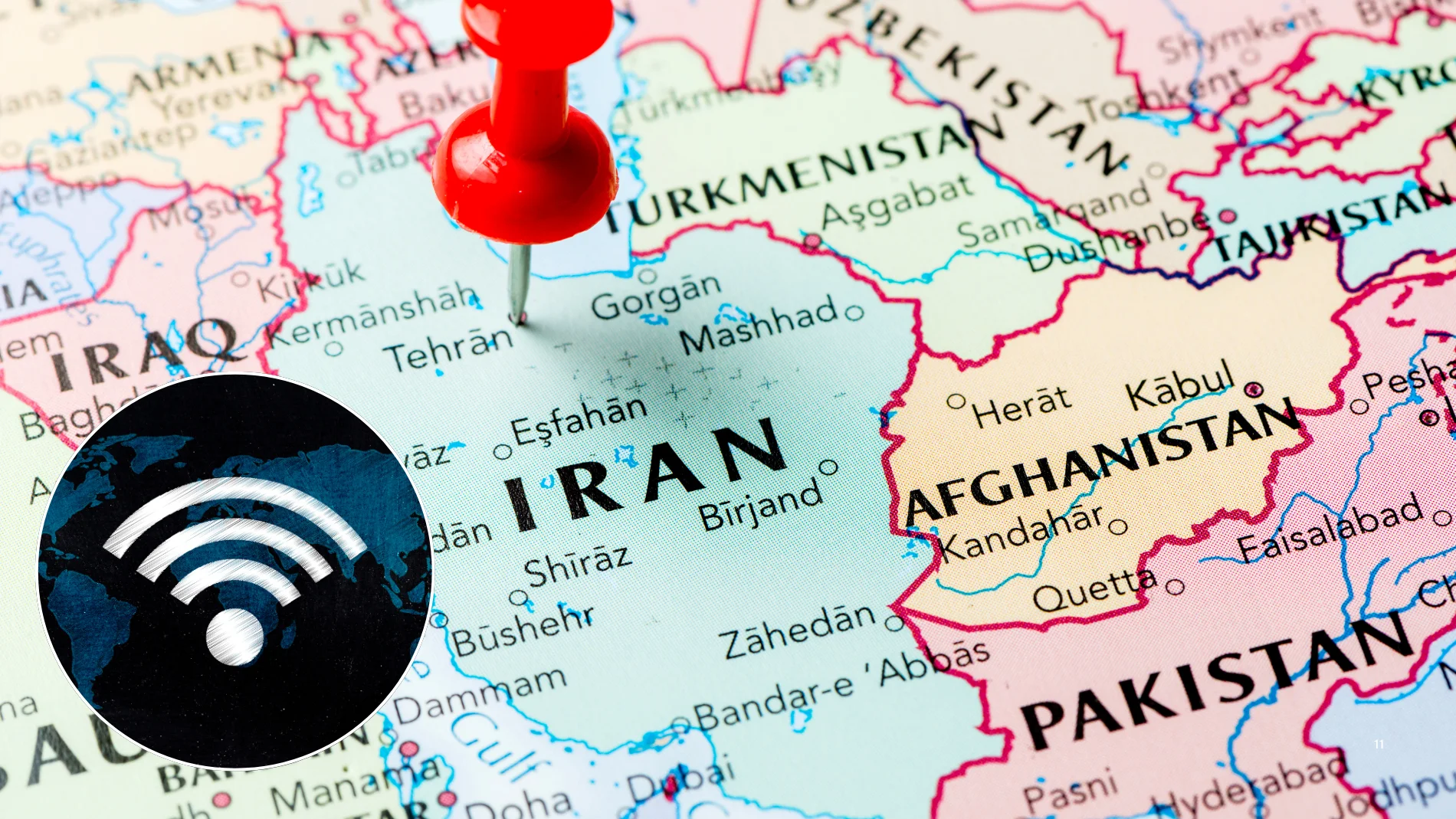
What would happen if one of the most important routes on the planet for the internet stopped working normally? This is the concern that has begun to grow after Iran proposed new measures on the submarine cables that cross the Strait of Hormuz, one of the key points for global communications.
Iranian authorities are considering imposing fees on underwater infrastructure that passes through this strategic area and demand that large international technology companies operate under the standardsof the country. The proposal has generated concern among experts and analysts, who warn of the possible consequences for global data traffic.
The Strait of Hormuz, a key piece for the internet
Although it often goes unnoticed, a large part of the international digital connections depend on submarine cables distributed by different areas of the planet. One of those fundamental points is the Strait of Hormuzwhere information used by banks, digital platforms, cloud services and technology companies.
Several major wiring systems that connect Asia, Europe and the Middle East pass through waters near Iran. Among them are infrastructures used daily for the global internet traffic and digital services.
What will happen to technology companies?
According to media close to the Iranian Revolutionary Guard, the plan will include compulsory licenses, transit fees and new conditions for companies like Google, Microsoft, Meta or Amazon. Even so, this is not all because according to several publications linked to the Iranian military environment they have stated that the repair and maintenance work of the cables can only be done by companies authorized by Tehran.
Likewise, submarine cables carry much of the world’s Internet traffic, including financial communications, cloud platforms and systems used by governments and large technology companies.
Therefore, the possibility of imposing restrictions or controls on these connections has caused concern in several international sectors.
Now, the debate on submarine cables is back on the table to what extent the internet depends on physical routes invisible to mostbut fundamental for the daily functioning of the world.