
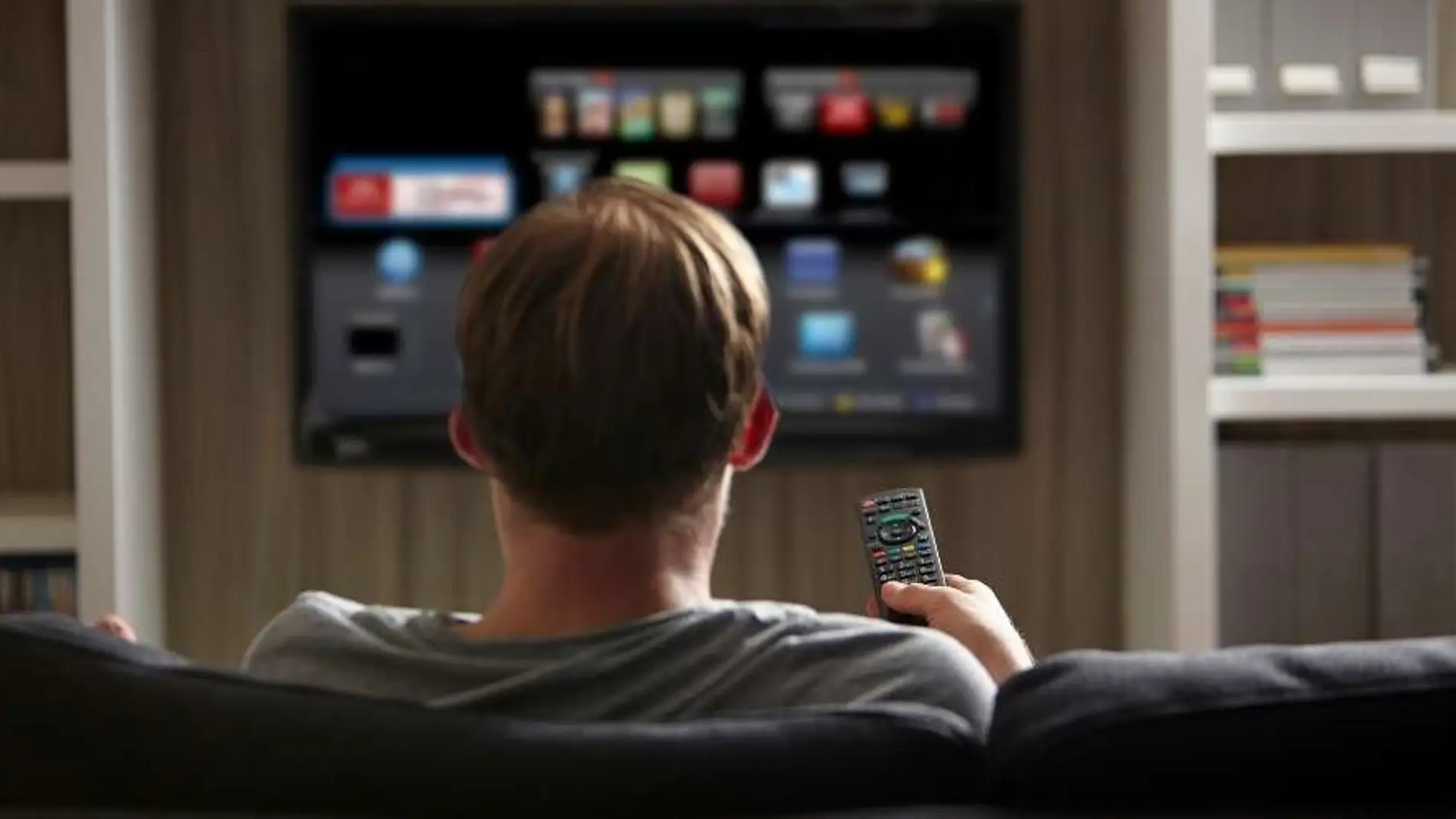
The lifespan of a smart TV depends on many factors, but one of the most determining is the technology of its screen.
Beyond the operating system, connectivity or memory, the different types of LED panels, QLED, OLED and Micro LED They behave differently over time.
Knowing its characteristics helps you choose the most suitable model according to your needs and budget.
LED: reliable and easy durability
Televisions with traditional LED panels are known for their durability. Its diode backlighting allows it to maintain stable performance for many years.generally between 7 and 10.
Although its image quality does not reach the color depth of more advanced technologiestheir robustness makes them a solid option for those looking for a reliable television without risks of significant degradation.
QLED: powerful brightness and long life
QLED panels incorporate quantum dots that improve color and luminosity without compromising durability. Like LEDs, They usually overcome the barrier of 7 to 10 years of useand they stand out especially in brightly lit environments.
Its main vulnerability lies in small light leaks or pixels They can fail over time, but overall offer an excellent combination of longevity and visual quality.
OLED: premium quality with extra care
OLED TVs stand out for their deep blacks and outstanding contrastbut its organic material causes the pixels to degrade faster than other panels.
This can cause loss of brightness and image retention if static content is displayed for a long time. For this reason, Its useful life is estimated at 5 to 7 years under normal use conditions. OLED is ideal for those who prioritize image quality and are willing to follow certain precautions.
Micro LED: maximum resistance and emerging technology
Micro LED combines the benefits of OLED with inorganic materialsoffering vivid colors and excellent contrast. Its useful life far exceeds that of other panels, reaching 15 or even 20 years in typical use scenarios. However, his high price and limited availability make it less accessible to the average user, and still requires careful handling against physical impacts.
Factors influencing duration
Adjusting the brightness to moderate levels, avoiding static images for long sessions, and keeping the equipment free of dust helps prolong its life.
Internal components, such as the light source and control circuits, also have natural wear and tear that can vary by make and model.
If you search hassle-free durabilityLED and QLED are the most reliable options. For those looking superior image and deep contrastOLED offers an unmatched visual experience, as long as good usage practices are followed. Micro LED, although still rare and expensive, represents the most durable and safest standard for those looking for a television that maintains its performance for decades.