
Research and detention last November of 13 people for illegal traffic of protected species and the seizure of 192 living specimens and 50 inert pieces, such as ivory, fangs, legs or skins, is only the result in Spain of the Thunder operation. An international police operation to curb the illicit traffic of protected species and its marketing, which is carried out within the framework of the European multidisciplinary platform against criminal threats, (PCACT), in which the Civil Guard leads the area of Environment.
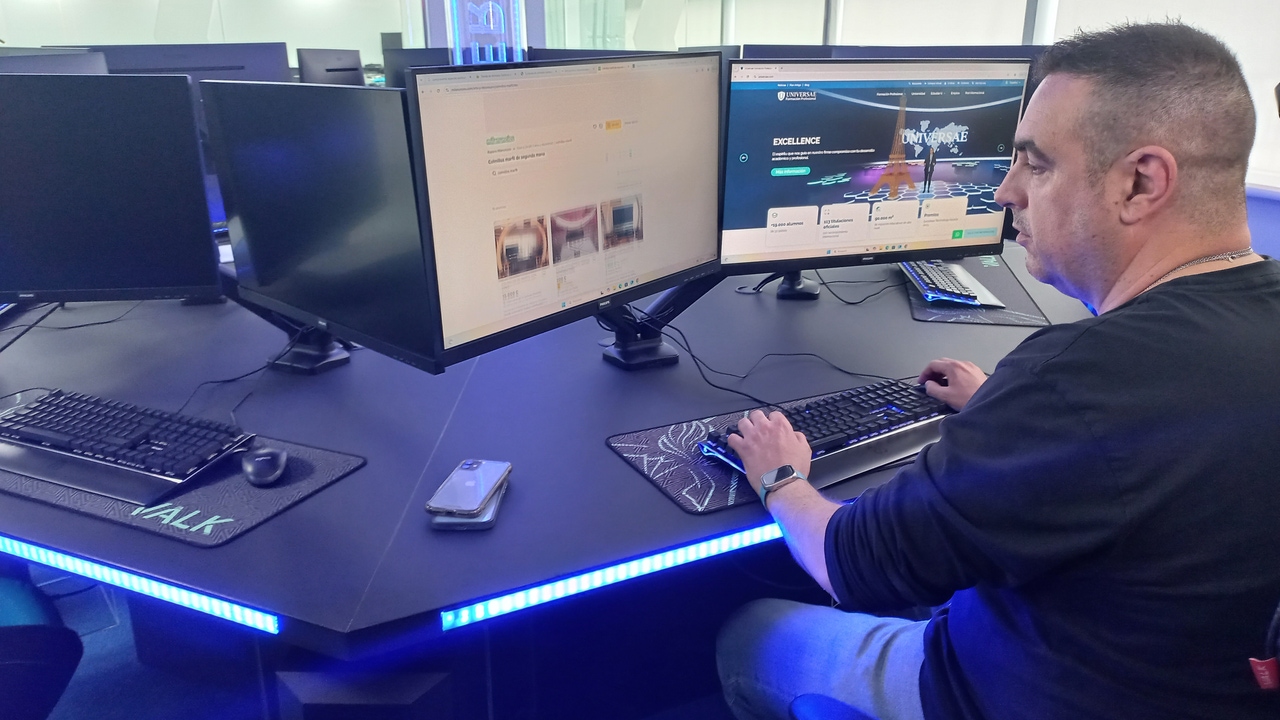
Coordinated by Interpol and with the participation of 137 countries, 10 of them, it is a cyberpatrullaje exercise in which specialists in the investigation of crimes against the environment participate. The Commander of the Civil Guard, Ramón González,- in charge of coordinating the 27 European countries that participate in the EMPACT- explained in the presentation of the results of this last operation, that “the search and detection of crimes on the Internet actively today is essential. Because everything that has to do with environmental crime is a clear change in trend and has more and more presence online ».
Thus, who wants to acquire «a protected specimen, no longer goes to traditional and physically, but in the vast majority of cases they do it online. Through web pages or social media groups ».
CIBER TEAM TRACK
González emphasizes the multidisciplinary part of the approach to these investigations, which “cannot be executed exclusively by police and security forces, but has the real collaboration of the public, private and civil society, NGOs.” Regular collaborators are the gitoc, IFO and WWF, «who actively contribute information to provide us with lines of action to conduct research. For example, WWF has more than seven million members, more than some inhabiting countries, and are our eyes in especially sensitive areas in this type of crime ».
A correct cyberpatrulla “of obtaining contrasted, reliable information that aims the work of the rest of agents in the field to act against the offender who has allegedly committing those online crimes.” But it also has security protocols: «If a physical agent does a surveillance does not go uniform or warns that he is investigating suspicious movements, but has to avoid being detected. In this case, the same. Connections, software and mechanisms to obtain safe evidence are essential technological resources. For this type of investigations it is not worth having a computer and starting. Technical resources, training, operational support structures are needed and the objectives of the mission are clear, such as the fight against organized crime and serious forms of international crime ».