
It was foreseeable that it would happen. After a year of Donald Trump’s presidency, many seem to be removing the noose from their necks now that The United States has decided to retrace much of the path it has traveled in climate matters. The regulatory relaxation on the other side of the Atlantic has served as a perfect excuse for some sectors, such as banks, investment funds or private equity, to suddenly loosen their tie, the one whose knot seemed to tighten them too much.
A part of the market is reacting in the same way that Jean-François Revel reflected on the fall of authoritarian regimes: to which no one had belonged once they collapsed. As if climate change were an oppressive dictator.
Is it really that big of a deal?
The answer is a resounding no. Although now Those whose climate concern only responded to fashion or opportunism may be exposed. However, environmental, energy or climate problems continue to exist and it seems that some have simply chosen to ignore reality.
The abuse of terms and the accusatory attitude of those who have distributed “good” and “bad” cards have caused some to rebel against what is established. Paradoxically, this demonstrates the success of environmental policies, which have become the new paradigm of political correctness, something that some now want to “overthrow.”
However, The need for energy independence in Europe has not diminished, especially now that it once again depends, in part, on other people’s geopolitical decisions. Cheap and clean energy remains essential for the reindustrialization of Europe and Spain in particular. If today we are leaders in renewables, in cheap energy, it is thanks to the path we have traveled and the joint efforts of regulators and businessmen who risked their capital in a sector that 20 years ago had everything against it.
Adverse climate phenomena, increasingly intense and less predictable, not only cause economic, but also personal havoc. The planet will continue to rotate with or without us. Human beings have always been able to adapt and modify their environment according to their needs, but we have never experienced climate changes at this speed.
We are not going to become extinct, but adapting will be expensive.
It is easy to say that The success of renewables is due to their environmental benefits, but the reality is that humans do not stitch without thread. If today we have cheap renewable energy – in fact, photovoltaics is the most competitive technology – this will continue to be the case no matter how much some now want to flood the market with fossil fuels.
What really moves the needle is the ability of technologies to be competitive and deliver a return on investment. It is the responsibility of politicians to send the right signals for investment. All the progress achieved until today is indelible.
The discourse, as I said at the beginning, seems to have changed. Those who were moving towards the energy transition have now become scared and have taken their foot off the accelerator, as if we were approaching a dangerous curve. Many times I have said that The economic transition that changes the energy vector changes the geopolitical weight of the powers, and the nervousness of each other makes the hornet’s nest agitated.
So, was the speech sincere?
We will see it, especially in some energy sectors. I would not like to agree with those who accused large companies, banks or investment funds of being wolves in sheep’s clothing. The obligation of companies is to maximize profits, yes, but not at any price, and not giving bread for today and hunger for tomorrow.
Energy and transition must be analyzed through “progressive glasses”: that allow us to make short- and long-term decisions. And of course we will make mistakes and the course may vary, but in these times when it seems that every dog is going to have to lick its wounds, it becomes more relevant than ever to have cheap, clean and indigenous energy in Europe. This will strengthen our energy independence and our industrial competitiveness.
And in the end, capitalism will save the planet.
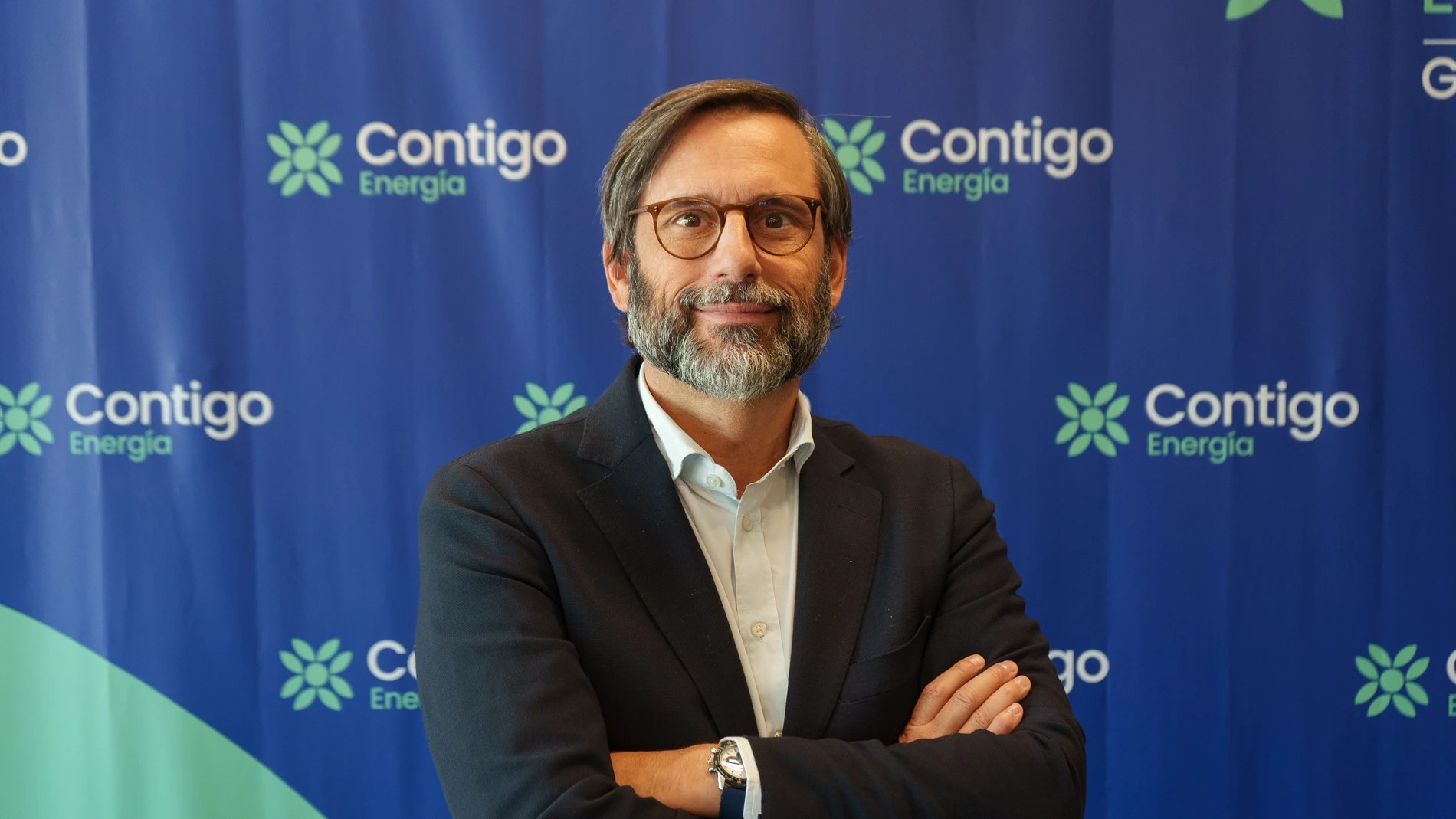
Jorge González Cortes is vice president Gesternova Group (Contigo Energy)