
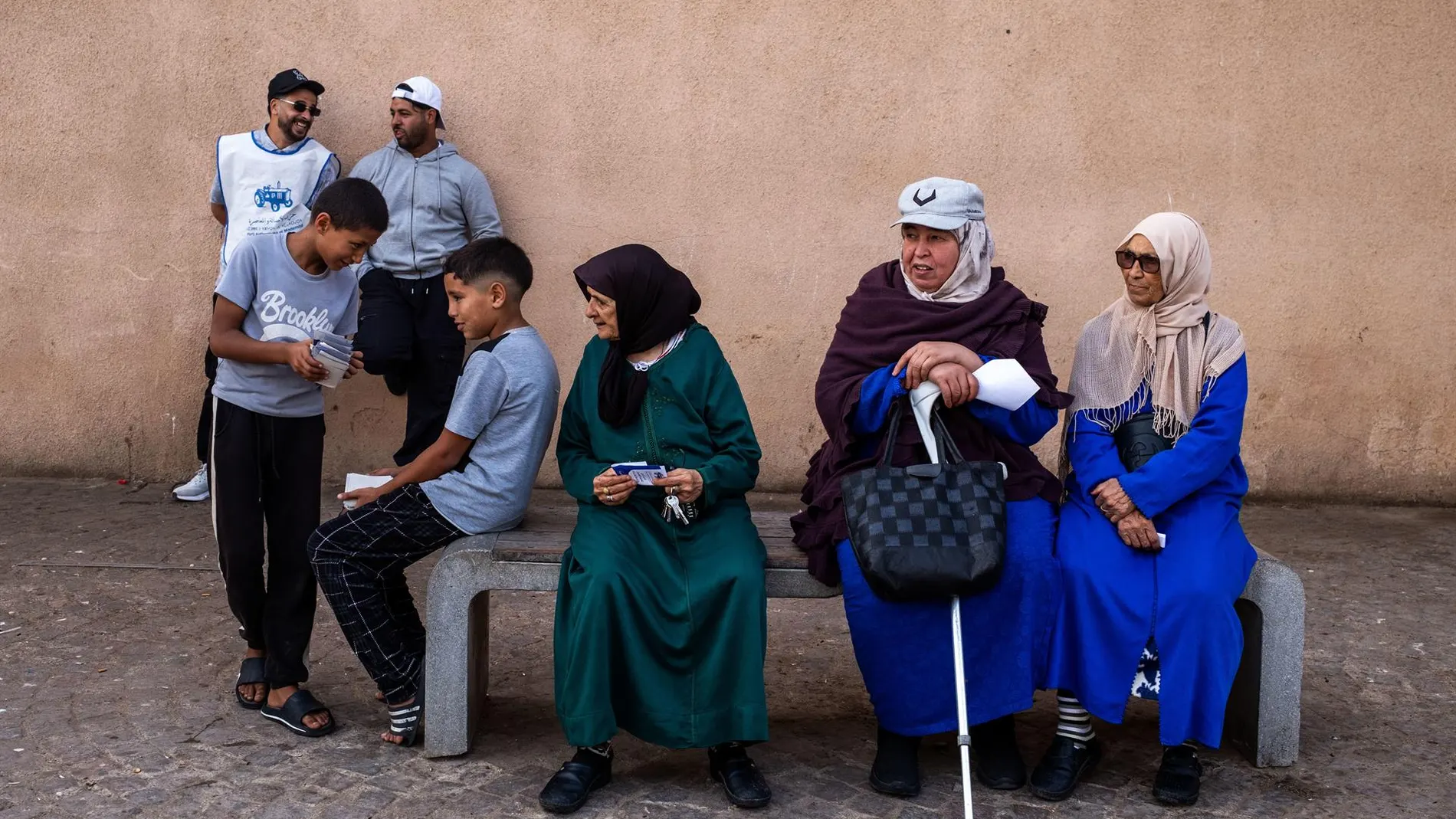
Morocco faces this Wednesday, September 23, a decisive day with the holding of its legislative electionselections that are marked by discontent among the young population and by the open migration crisis after the massive entry registered in Ceuta at the end of July.
A total of 15,801,162 voters are registered to go to the polls and elect the 395 members of the House of Representatives. According to official data, 1,850 lists and 7,288 applications have been submitted. Young people between 18 and 24 years old represent only 4% of the registered census, one of the data that reflects the distance of a part of this generation from institutional policy.
The elections are also being followed with special attention from Spain. Ceuta and Melilla have reinforced their security devices after new calls have circulated on social networks to try to cross the border coinciding with Moroccan election day. The objective of the Spanish authorities is to prevent a repetition of a situation like the one experienced at the end of July.
The Government assures that it maintains contacts with Rabat. The Minister of Foreign Affairs, José Manuel Albares, has stated that Morocco has committed to doing everything necessary to avoid a new massive entry and he plans to discuss with his Moroccan counterpart, Nasser Bourita, the situation of migrants who remain in Ceuta.
The day also comes after Pedro Sánchez recognized that Moroccan border control failed during the July crisis and ensure that Spain has asked Rabat for explanations and answers. Meanwhile, the Interior maintains reinforced surveillance on the border and has initiated the procedures to extend the El Tarajal breakwater and replace the current floating barrier with a permanent beacon system.