
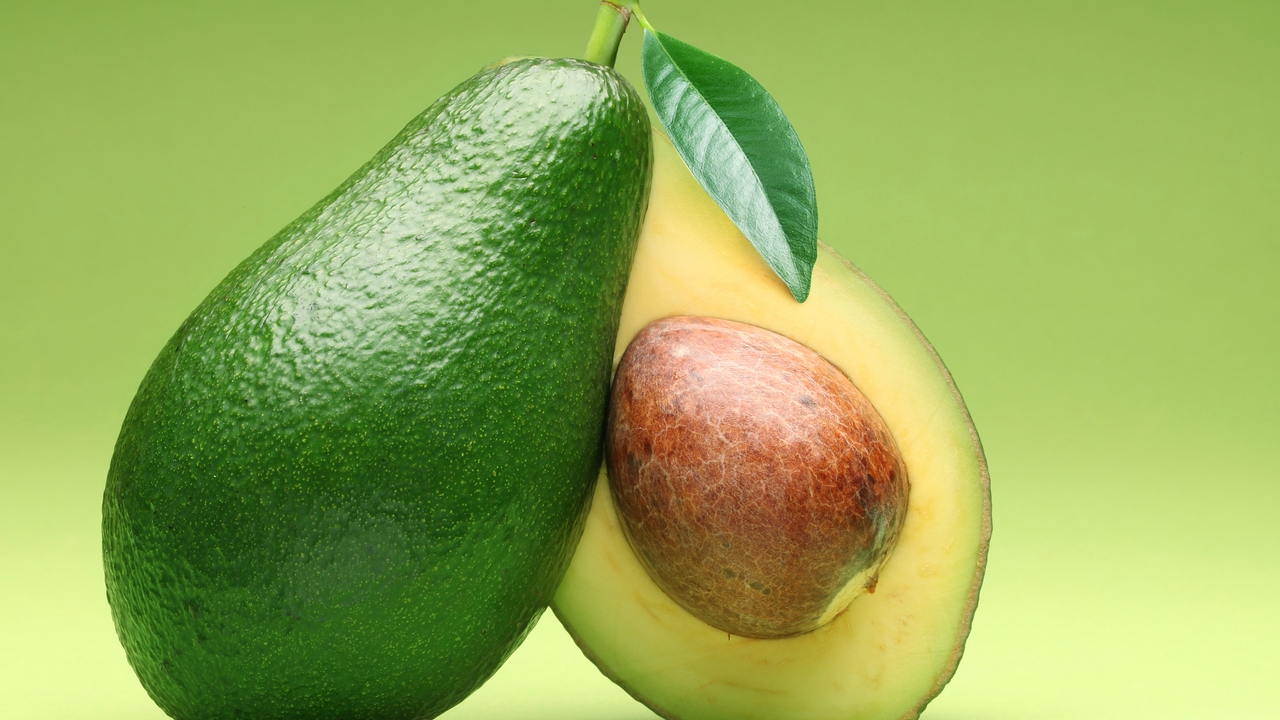
The avocado has long been the protagonist of a heated controversy due to water consumption and the impact of its production. A tropical fruit native to Mexico and Guatemala, Spain leads a crop in Europe that is mainly concentrated in Andalusia, more specifically in the Axarquía area, although its expansion extends to provinces such as Cádiz, Huelva and Valencia. The latest data from the sector speak of nearly 24,000 hectares of cultivation, 21,625 of them irrigated, 2,128 rainfed and 200 greenhouses.
The association of Ecologists in Action warned in a recent report of its effects on water resources and soil degradation, the result of the “hyper-intensive agricultural model” and a 30% increase in the crop area since 2018 in our country. . If we take into account that, as they maintain, 350 liters of irrigation water are needed to produce 350 grams, this production would be particularly harmful in areas where irrigation is extended despite the drought.
The sector, on the other hand, has been trying to get rid of this image for some time and defending its benefits. On the occasion of the Global Avocado Congress held this month at the Fruit Attraction fair, we wanted to highlight that this product consumes the same amount of water as other fruits and vegetables (without specifying), between 8 and 10 times less than beef, chocolate and coffee; which produces 25 times less greenhouse gases than the meat sector (beef) and 10 times less than cheese.
Compared to other large-scale crops such as bananas, they point out, they represent a small activity with “a positive ecological footprint.” However, they aim to further reduce the water and carbon footprint with innovative solutions that improve sustainability.