
AbertisGlobal Group specialized in infrastructure and mobility management, has successfully completed its FIRST ESG PLANwhich included the years 2022-2024, and that has been considered the operational starting point of its sustainability strategy 2022-2030. The plan has served to Integrate environmental criteriasocial and governance throughout the organization and execute projects aligned with the SDGs.
During this period Abertis has reduced 25% of its scope emissions 1 and 2, and has been set as a goal to double this percentage to reach a 50% reduction by 2030. Regarding emissions of scope 3, which include those derived from indirect activities, the company intends to reduce them 22% in the next five years.
The decarbonization objectives established by the company have been validated by the Science Based Targets Initiative (SBTI) initiative, an international entity that verifies the alignment of corporate goals with scientific standards in the fight against climate change.
OBJECTIVES AND NEW PLAN
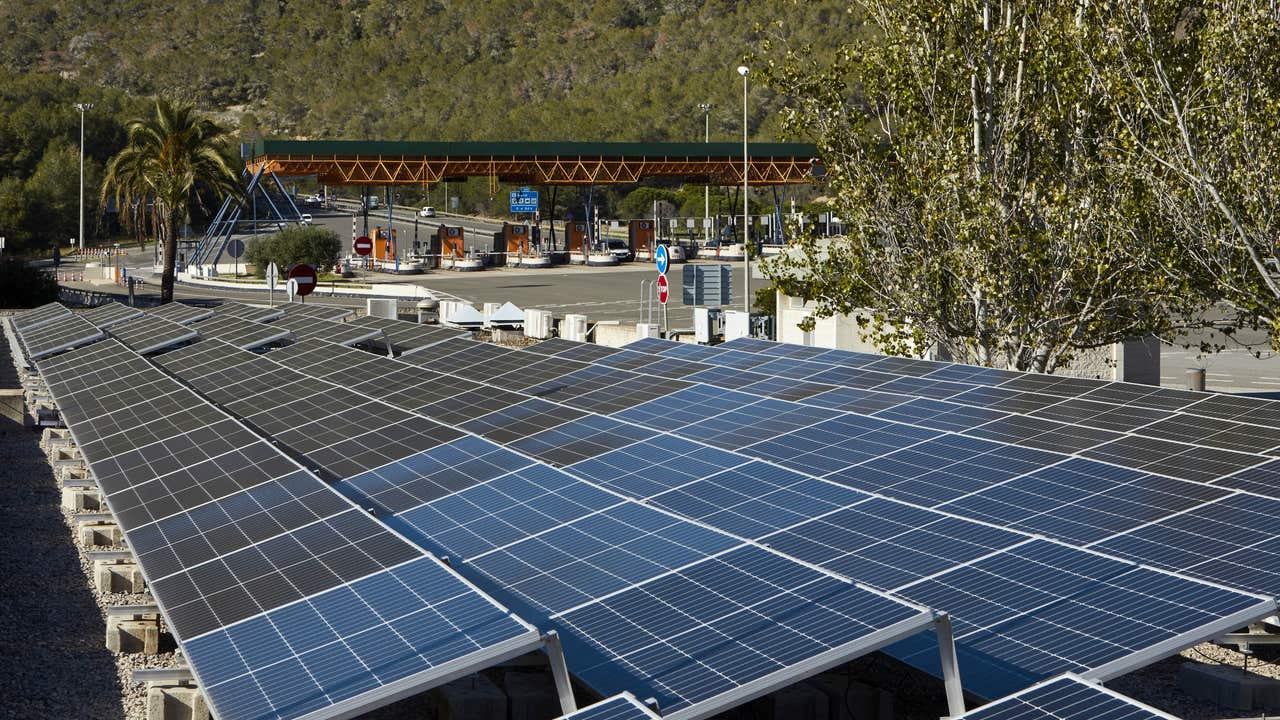
Within the framework of the ESG Plan for the years 2022-2024, Abertis has achieved the objectives established in the environmental, social and governance. 776 electric recharge points have been installed, 72.8% of the group’s electricity consumption comes from renewable sources, and 62 solar plants distributed in eight business units have been launched.
Likewise, a reduction of scope emissions 3 linked to purchases and services has been achieved, and the use of recycled materials has increased, which currently represents 16% of the total used.
The company has announced the launch of a new ESG plan for the 2025-2027 period, which will continue the previous line of work with more ambitious goals. This new plan will focus on energy efficiency, sustainable innovation and digitalization, and will include transversal projects that reinforce Abertis’s sustainability commitments.
In 2024, 72.8% of the direct energy consumed by Abertis came from renewable sources, which represents an increase with respect to 67.6% registered in 2023. In countries such as Spain, France, Italy, Brazil and Chile, green energy consumption has already reached 100%.
Georgina Flamme, director of Institutional Relations, Communication and Sustainability of Abertis, stressed that “digitalization, innovation and the use of renewable energy have become key tools” to move towards a more sustainable mobility. In addition, he pointed out that one of the main objectives of the group is that 100% of electricity consumption comes from clean sources in the coming years.
Recycling
Regarding waste management, Abertis has recycled and revalued approximately 86% of the waste generated, exceeding the initial objective of 50%. The company has proposed to maintain this percentage above 80% in the face of 2027. This improvement has been possible thanks to the optimization of the selection and recycling processes derived from highway management, which also contributes to the promotion of the circular economy.
In terms of materials, the company has updated its general infrastructure management policy in 2024 in order to boost the sustainable development of its activities and the maintenance of infrastructure through the circular economy and innovation. In the current exercise, 11% of the materials used in paving have been of recycled origin.
By countries, France stands out, where the use of recycled asphalt (RAP) has reached 43%. In Italy, this type of material represents about 30% of the total. In Chile, the average is around 9%, while in Brazil pilot tests are being carried out to expand the use of rap in future repavimentations.
Facing 2030, Abertis will continue to promote actions that reinforce its sustainability strategy with the aim of having a more efficient infrastructure, less dependent on carbon and committed to the environment and people. The company maintains its focus on energy transition, the use of recycled materials and technological innovation as main axes to fulfill its environmental, social and governance commitments.