
The closure at the end of February of the Strait of Hormuz, through which some 20 million barrels of crude oil and refined products circulated per day, represented the largest supply interruption in the history of the oil market, according to estimates by the International Energy Agency (IEA).
Nine months later, the situation continues. According to the IEA’s September report, global oil supply will fall by 5.7 million barrels per day this year.more than 10 million barrels per day of Gulf production remain paralyzed and global inventories have lost 507 million barrels since the start of the conflict. The report ensures that demand, stifled by prices, will decline by 1.6 million barrels per day in 2026.
In that context, Simon Stiell, executive secretary of the United Nations for Climate Changepointed out a few months ago to Spain—along with Pakistan—as a pioneering country in renewables that has been protected from some of the worst effects of the crisis. “Clean energy is safe energy,” he summarized.
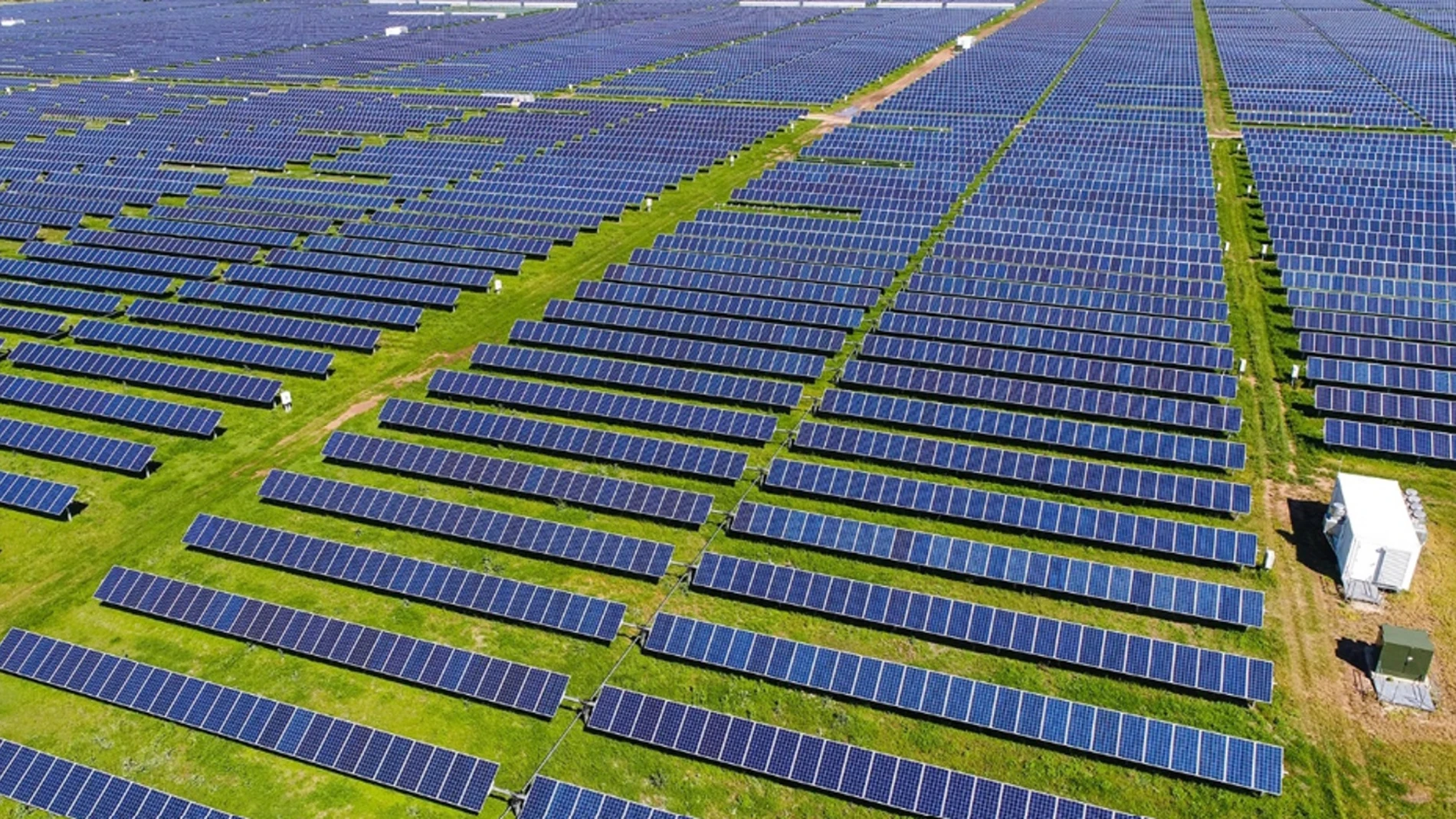
Red Eléctrica figures explain why. In 2025, renewables generated 55.5% of electricity in Spain, a percentage that rises to 56.6% if self-consumption is included, according to the Spanish Electricity System Report 2025. That same year, the country increased its electricity exports by 25.1%, and communities such as Castilla y León already produce more than 93% of their electricity with clean sources.
The difference has been noticed in the market. The wholesale price skyrocketed in the first days of the conflict—it went from about 14.5 euros per megawatt hour (MWh) on February 28 to almost 137 euros on March 10—and at specific times it touched close to 400 euros. But the escalation was far from the highs of 2022. The Financial Times estimated in March that the average price in Spain would be around 66 euros per MWh, approximately half that of Italy, a country much more dependent on gas to produce electricity.
It is not a temporary effect. An analysis by the Bank of Spain calculated that, in the first half of 2024, the wholesale price was more than 40% lower than what would have been registered with wind and solar power stagnant at 2019 levels, and that the planned deployment in The National Integrated Energy and Climate Plan (PNIEC) could cut it by up to an additional 50% in 2030.
Achilles heel
The shield, however, is not complete. The electricity market works with a marginalist system. The most expensive technology needed each hour sets the price of all the energy in that range. When the sun goes down and the wind eases, the gas combined cycles come back in and transfer the international increase in prices to the bill. That is why Spanish stability suffers especially during peak night hours. Hence, analysts agree that the next step involves storage—batteries and pumping—and reinforcing the networks, a lesson that the great blackout of the spring of 2025 left engraved.
Furthermore, electricity is only part of energy consumption. Transport and a good part of the industry continue to depend on oil and Spain is suffering from the crisis like the rest of Europe. An analysis published in the magazine Intereconomics recalls that Europe, which obtains only 8% of its liquefied natural gas from the Middle East, is relatively safe from gas cuts, but remains very exposed to oil, both due to prices and possible shortages.
A goal that falls short
For him Executive Secretary of the United Nations for Climate Change Simon Stiellthe lesson is that the transition must be accelerated. However, the COP28 commitment – to triple renewable capacity and double energy efficiency by 2030 – is progressing behind schedule.
The latest report from the International Renewable Energy Agency (IRENA), presented in September, places global renewable capacity at 5.15 terawatts (TW) by the end of 2025, after adding a record of 693 GW in a single year. Even so, to meet the goal, about 1.2 TW per year would have to be installed until 2030; At the current rate, the world would be 0.6 TW behind. Its general director, Francesco La Camera, warns that efficiency is lagging behind, electricity demand is growing faster than expected and networks are not advancing at the pace of renewables.
Financing is the other piece of the puzzle. Stiell called on developed countries to triple funding for climate adaptation to reach $300 billion annually by 2035.and asked multilateral development banks to mobilize private capital towards developing countries, where risk makes each project more expensive. It also required large artificial intelligence companies to power all their data centers with renewables by 2030.
The Hormuz crisis has turned the climate debate into a security debate. Every megawatt hour produced with sun or wind is one that does not depend on what happens thousands of kilometers away. “As the realities of fossil fuel dependence unfold in real time,” Stiell warned, rapid energy transitions become “critical to national security strategies.”