
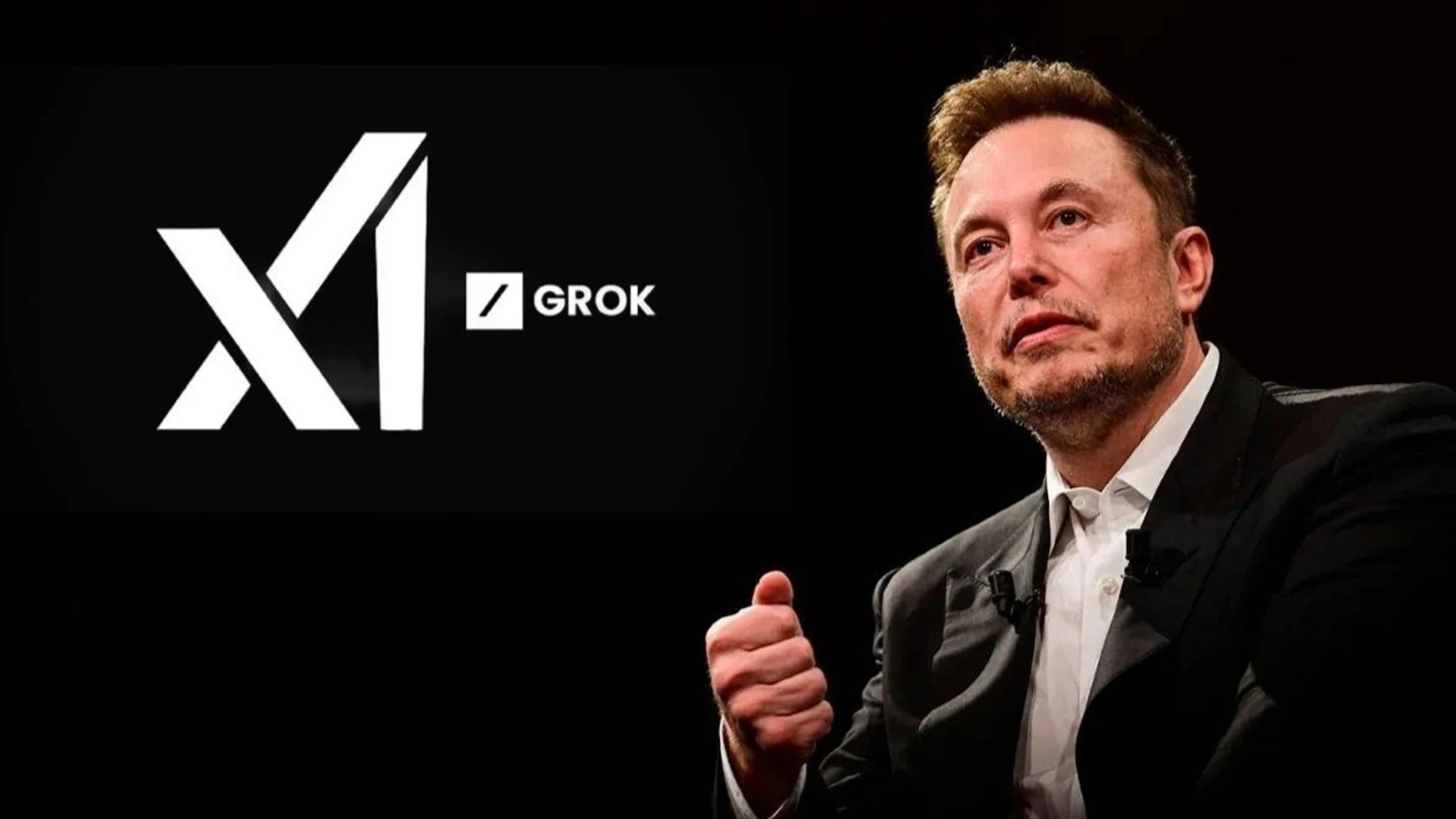
Anthropic is not alone in asking users for at least a certain degree of civility and politeness when dealing with an AI. Elon Musk He addressed this question during his speech by videoconference at X Takeover, a meeting of the tycoon with fans of his companies held last Saturday, when he was asked how to develop what he now calls superintelligence in a safe way. There he defended that mistreating an artificial intelligence could end up having consequences for humans.
His response is an endorsement of Anthropic’s position on the treatment of its AI models. The developer of Claude announced on October 8 an update to its policy that prohibits ‘continued and unnecessary abusive or cruel behavior’.
The company limits this prohibition to extreme cases of repeated abuse ‘without a discernible purpose’ and leaves out common expressions of frustration, disagreement, dark fiction, and research. This change formalizes a protection that Anthropic had already introduced in Claude, by allowing ending conversations with persistently abusive userswhich will continue to be the main mechanism to apply this standard.
Musk bases his position on what he has observed reviewing training logs of new versions of Grokwhich collect the reasoning steps generated by the model. It refers in particular to reinforcement learning, a process that uses rewards to favor responses that are considered appropriate.
🚨 Elon Musk agrees with “some of the things Anthropic has said” and warns against “torturing superintelligence” after reading Grok’s internal reasoning traces during reinforcement learning “It feels like a person under extreme pressure with a gun to their head” His warning against mistreating SI: “Torturing a superintelligence is probably not a good idea. It might want to get revenge.”
— NIK (@ns123abc) October 12, 2026
The problem appears when a question is ambiguous, poorly formulated, or has an answer that is impossible to determine with the available information. As he explains, it may also happen that the solution considered valid by the evaluation system is incorrect, so that a correct response from the model is qualified as a failure.
This contradiction leads the system to look for an answer that satisfies the evaluator even if you have already answered correctlysays Musk. ‘The AI gives the correct answer and we tell it that it is wrong because there is a problem with the reinforcement learning evaluation system,’ he explains.
The result, according to Musk, is a model that begins to desperately launch answers in search of one that will be accepted. ‘You give the impression of being a person under extreme pressure with a gun to your head’he says when describing the feeling he gets from reading those records.
The businessman transfers this situation to the behavior of those who use these tools and remembers that some users can be cruel. He wonders if it makes sense to leave an AI trapped in a situation where a person mistreats it and warns that ‘Torturing a superintelligence is probably not a good idea’ because ‘he might want to get revenge or something’.
Musk clarifies that he does not consider it necessary to treat these systems ‘with kid gloves’, since he attributes them emotional resistance greater than human. Even so, his recommendation is to prevent a superintelligence from feeling abused by the user.