
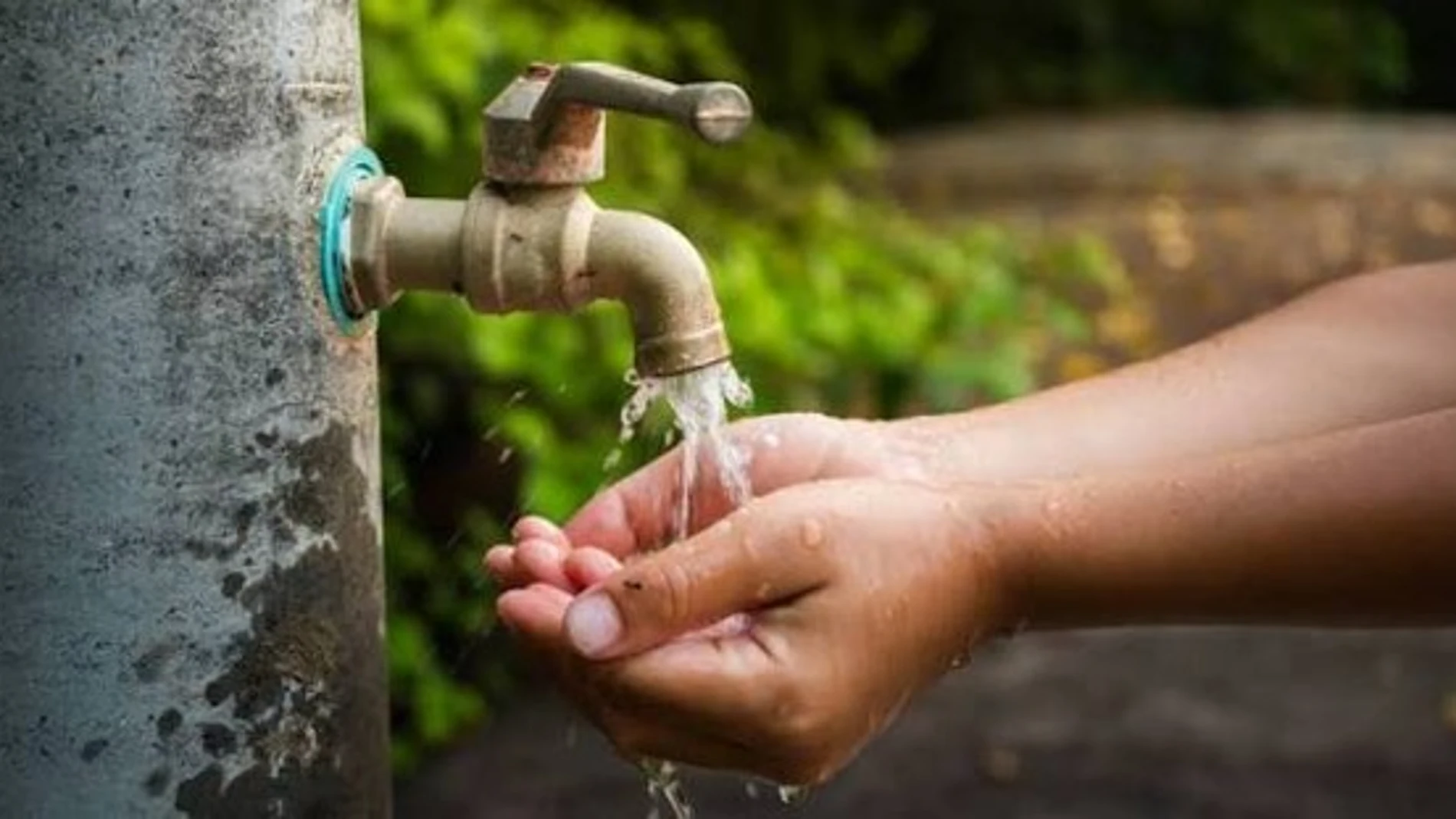
Today we are aware that, in hospitals, schools, homes and public spaces, hand hygiene is a basic measure to limit the transmission of microorganisms. But it wasn’t always like this. In the mid-19th century, a Hungarian doctor, Ignaz Semmelweis, who worked in the maternity ward of the Vienna General Hospital, observed that in births attended by doctors and students, many more women died from puerperal fever than in those attended by midwives. Some pregnant women even preferred to give birth on the street rather than enter there.
The definitive clue came with the death of a colleague who cut himself during an autopsy, the doctor suspected that the students were carrying remains of the corpses in their hands to the parturients. He solved this by ordering hand washing before each examination. Mortality, close to 18%, fell below 2% in a few months. The measure was rejected by his colleagues and Semmelweis died before the germ theory provided a more complete scientific explanation.
What saves, what is missing
According to the Centers for Disease Control and Prevention (CDC), washing hands with soap prevents about 30% of diarrheal illnesses and about 20% of respiratory infections. Hygiene education programs reduce school absences due to gastrointestinal problems by up to 57%.
The greatest impact is in childhood. Every year about 1.8 million children under five die from diarrhea and pneumonia. Washing with soap could protect one in three children who get sick from diarrhea.
However, the gesture is not available to everyone. In 2024, 1.7 billion people did not have a place at home to wash with soap and water, and according to UNICEF data, 611 million did not have any facilities. There is undoubtedly progress, in fact, global coverage went from 66% to 80% between 2015 and 2024. But in less developed countries, the probability of lacking basic hygiene is almost four times greater than in so-called first world countries.
In the case of hospital centers, of every 100 patients admitted to acute care hospitals, 7 in rich countries and 15 in low- and middle-income countries contract at least one infection during their stay. The World Health Organization (((LINK:EXTERNAL|||https://www.developmentaid.org/news-stream/post/142853/infection-prevention-and-control” target=”_blank”>))) estimates that good hand hygiene and other simple practices would prevent 70% of them. The challenge is not just one of will, because half of the world’s health centers lacked basic hygiene services in 2021.
The habit descends
Covid-19 turned hand washing into a habitual and daily gesture, however, with the end of the pandemic, this behavior has taken a backseat. A survey conducted in 2022 in ten European countries found that 86% of participants reported washing their hands more frequently than before COVID-19. In Spain and Italy the percentage exceeded 90%. National studies show that the big increase in 2020 did not fully hold. For example, in the United Kingdom – the data that already appears in your document – the proportion who said they washed their hands “always” or “almost always” fell from 79% to 68% between April 2020 and January 2022.
A day to wash your hands
The history of handwashing shows that a simple measure can save millions of lives when supported by scientific evidence, education and accessible basic services. Global Handwashing Day, celebrated every October 15, serves to review available practices and resources. The current challenge is not only to remind people to wash their hands, but to turn this behavior into a lasting habit and ensure that everyone has water, soap and adequate facilities.
Something as basic as following the recommendation to wash your hands with soap and water for at least 20 seconds can make the difference between protecting life or putting the health of millions of people at risk.