
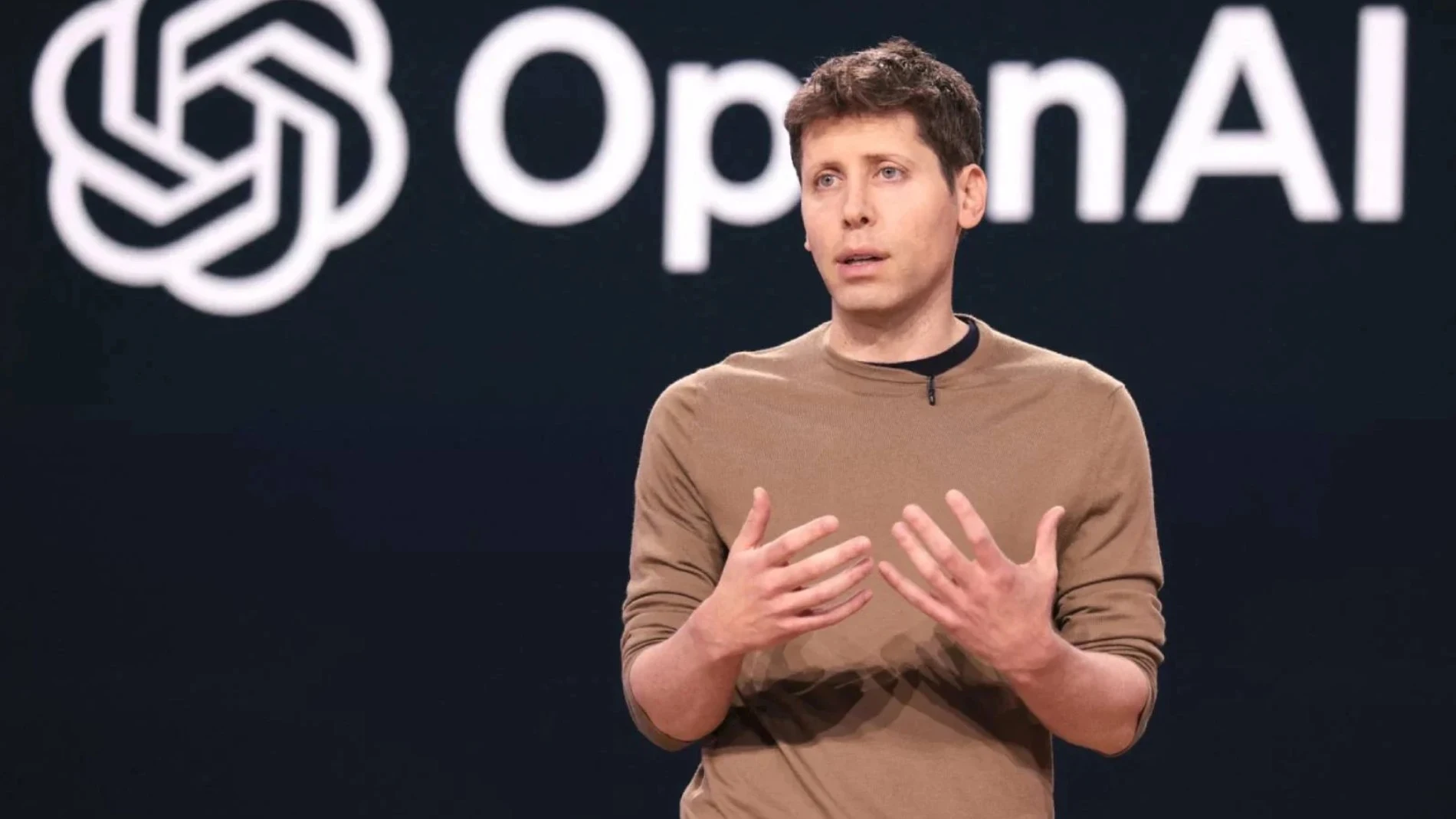
Sam Altman believes that the benefits of artificial intelligence justify accept that technology also causes negative consequences. The CEO of OpenAI defended this position during an interview with Brendan Bordelon for the new podcast Decoded from the media POLITICO, in which he explained where he continues to place the differences between his company and Anthropic.
The distance between both companies has been reduced considerably in recent months. OpenAI has backed state laws and bills with stricter security requirements, supported a bipartisan proposal for large companies to submit their models to third-party evaluators, and Altman has come to agree with Dario Amodei in the need to slow down the development of the most advanced systems.
Despite this approach, Altman maintains that there remains an important difference about how much risk society should accept. ‘We believe that the world should accept that some bad things happen in exchange for the benefits of this technology and that people have decision-making power’he assured when asked about his differences with Anthropic.
The head of OpenAI rejects a scenario in which avoiding any possible damage requires concentrating control of the technology. ‘I don’t agreebut I understand the perspective of those who say that this technology is going to be so powerful and so dangerous that a single laboratory in San Francisco should have it, make sure that nothing bad happens and decide somehow how to distribute its benefits,’ he explains.
Altman considers that possibility ‘a completely unacceptable trade-off’ and continues to advocate for regulation less interventionist than the one Anthropic has been proposing because it expects AI to produce many more benefits than harm.
‘I wouldn’t accept a deal that said we’re going to make sure that there are no major hacks, that this technology is not misused, that there are no scams, and that none of the other bad things that are going to happen happen. Because I think people will do tremendously more, orders of magnitude more, good things than bad things.‘, he stated.
Altman also explains how far he is willing to take the risks of artificial intelligence. OpenAI CEO defends accepting ‘limited risks’ and ‘risks we understand’ in exchange for its benefits, but it sets the limit on scenarios capable of causing catastrophic consequences. When mentioning the possibility of a ‘serious loss of control over AI’even asks those who advocate accelerating its development to be more prudent. ‘Let’s accept limited risks, let’s accept risks that we understand in exchange for benefits, but let’s not accept truly catastrophic risks.‘, he points out.
The interview also addresses Donald Trump’s attempt to replace the term artificial intelligence with ‘superintelligence’. Altman does not believe that a name change alone will improve the image of a technology whose negative perception is linked to much more specific concernsincluding the replacement of workers and the concentration of power in a small number of companies.