
Although labor law prohibits a company from firing a worker who is on sick leave due to temporary disability, if it is proven that the reason for terminating the contract is the sick leave or illness itself, it does not shield its ability to take disciplinary measures, including dismissal, when committed. very serious offenses against the company.
This was the case of a Mercadona worker who had been working for the supermarket chain since 2007. During the 16 years she remained in the company, she had been governed by the code of good conduct that she had signed when she was promoted to the position of manager. A position that would allow you to access confidential documentswhich he promised to safeguard.
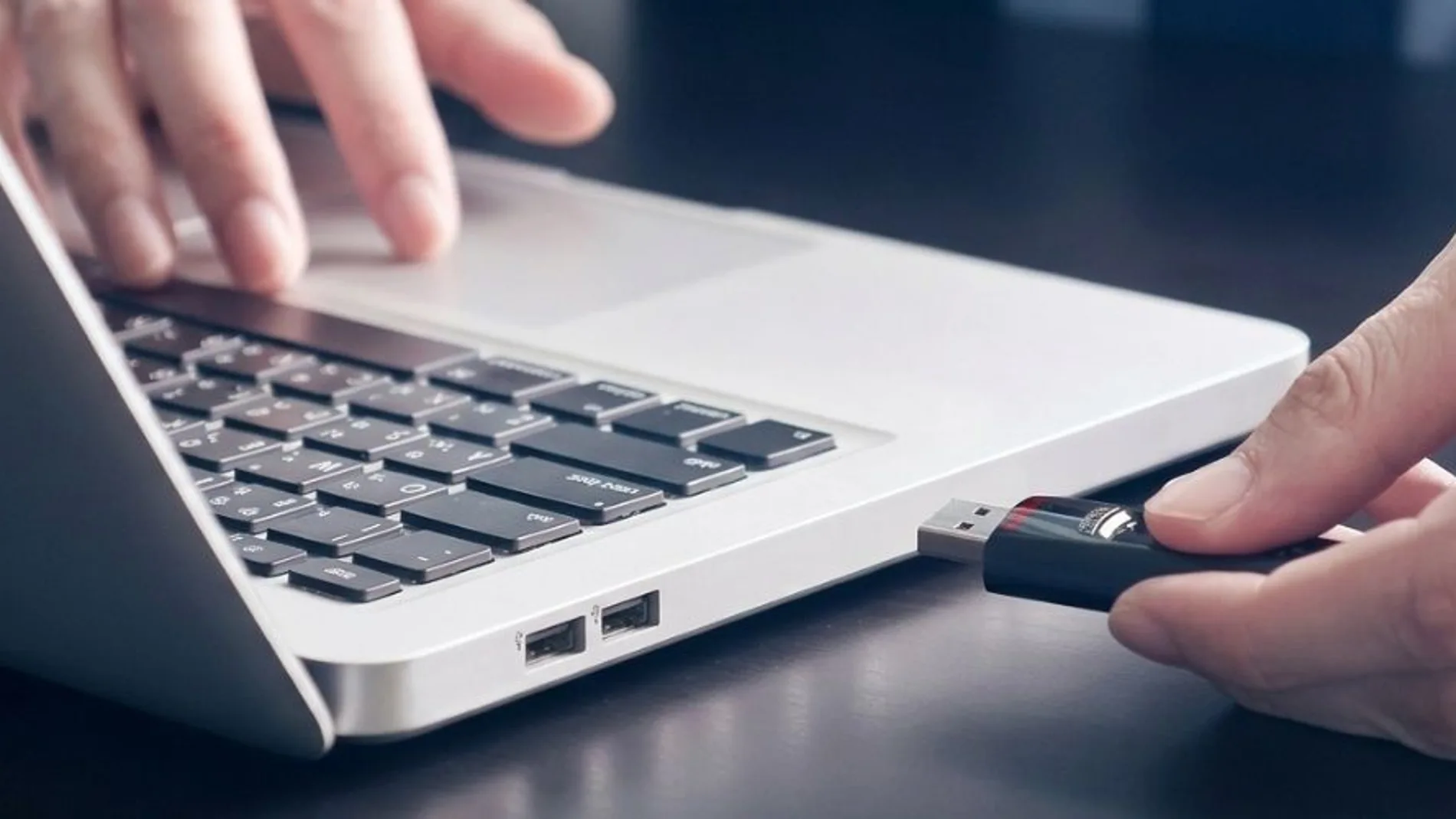
However, in April 2023, he decided to use a USB memory to download 185 of these files, without authorization from the company. Documents related to his colleagues’ payrolls, reports, costs, organizational charts and even billing, which he did not need to carry out his duties as a manager. A week later, decided to take sick leave due to temporary disability due to a diagnosis of “adjustment disorder with anxiety.”
The company decided to fire her for disciplinary reasons.
When the company discovered what she had done, the worker was already on medical leave, but even so, they decided to fire her for disciplinary reasons, alleging that the data download she had carried out represented a very serious offense against the company as it involved documents with confidential information. At that time, the affected party decided to file a lawsuit, alleging that the dismissal violated their fundamental rights.
However, the social court that handled the case considered that the dismissal was appropriate, since I did not have authorization to download these files. When the worker decided to appeal the sentence and take her case to the Superior Court of Justice, it also ruled in favor of the company, even though she was on medical leave.
Finally, when the case escalated to the Supreme Court, its ruling was clear, as explained by Manuel Espinosa Ortiz, CEO and main lawyer of EOM Equipo Jurídico: “There was no need to prove that she had used those files, but rather that the fact that he had copied them was enough“. This represented a very serious offense against the company, which justified the termination of his contract for disciplinary reasons, even though he was on leave due to temporary disability.
Medical leave does not prevent the termination of the contract
The lawyer recalls that the company still has the right to fire an employee when he is on medical leave, since labor law “does not prevent sanctioning conduct that, regardless of the worker’s state of health, involves serious breaches of labor obligations.” This means that a company is only prohibited from terminating the contract of a worker in an IT situation when this dismissal is due to illness or sick leave.
In addition, companies may dismiss their employees, even if they are on sick leave due to IT, when there are economic causes that justify itbut they have to demonstrate that there are current or anticipated losses or present a persistent decrease in their income. This must be at least three consecutive months with respect to the usual figures, according to the provisions of article 52.c of the Workers’ Statute.
Workers can defend themselves against accusations
This last case is considered an objective dismissal and may also be due to technical, organizational or production reasonsas long as the company can justify them. Finally, in the event that the leave coincides with the end of the contract, the company may choose not to renew it without this being considered a dismissal due to medical leave.
It is also worth remembering that, when a disciplinary dismissal occurs, the company has the obligation to allow the worker can defend himself against the accusations for which you want to terminate the contract. However, the Supreme Court ruling that imposed this measure did not specify how this process should be carried out, so the company can choose to hold a private hearing or rely on the protocols created for this.