
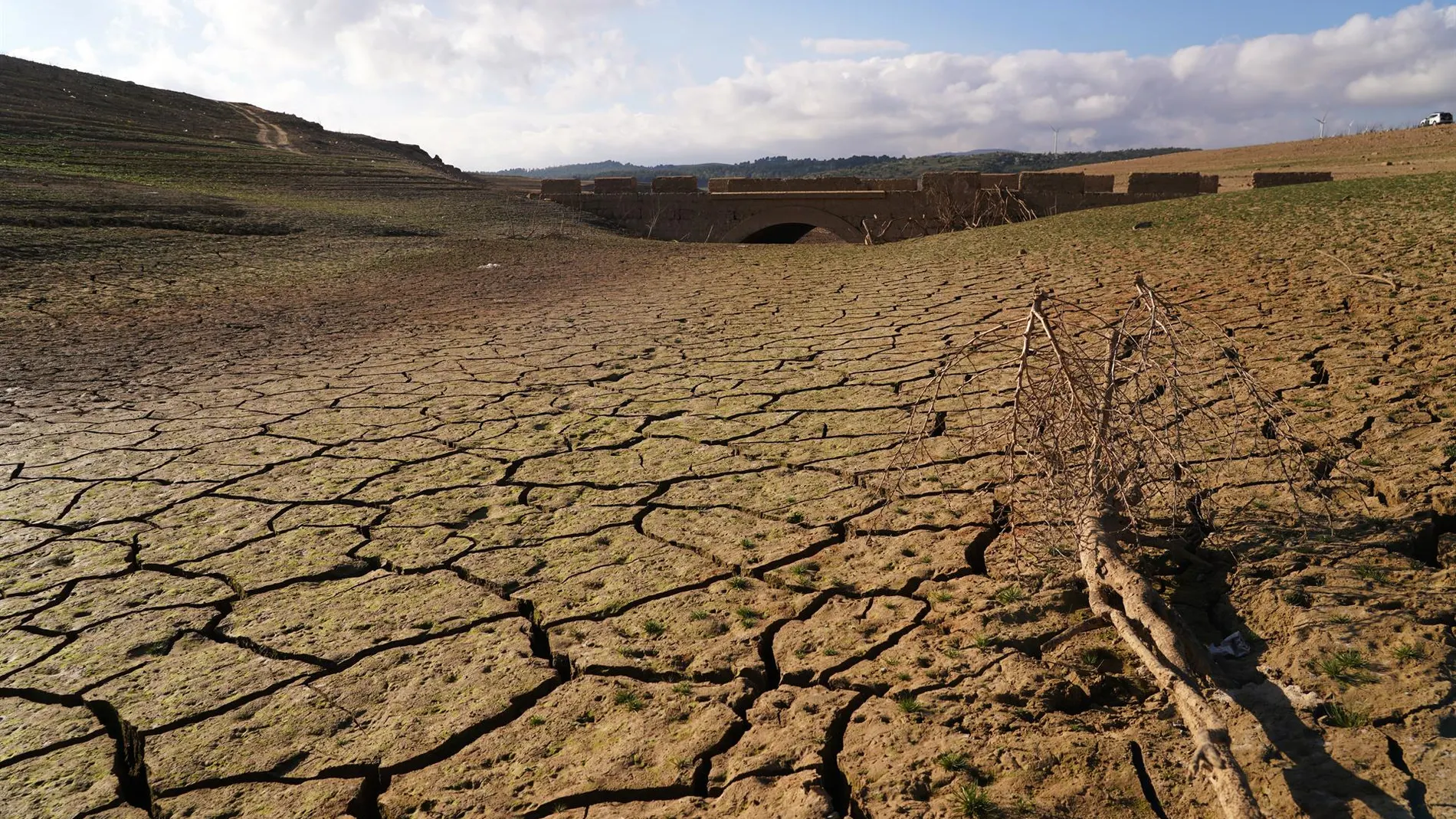
The “Super El Niño” could lead to an additional 451,000 heat-related deaths worldwide between June 2026 and February 2027compared to those that would occur in a normal year. It is the estimate of Climate Impact Lab at the University of Chicago, which has analyzed the impact that the temperatures associated with the phenomenon could have on mortality.
The researchers calculate that Global land temperatures will be 1.2ºC above normal during the next few months. This increase, largely associated with the current El Niño episode, will translate into a 44% more extremely hot days than would be expected in a normal year.
It is a projection of additional deaths compared to a normal year for the first nine months of the episode. Scientists also warn that the balance could increase, since forecasts indicate that El Niño will continue through spring 2027 and The effects of the heat could last until June and July.
The heat could advance the climate of the future by 20 years
The report indicates that the temperatures expected during this episode will be similar to those that, according to climate projections, could become normal in about 20 years.
Researchers describe this phenomenon as a kind of “postcard from the future”: the planet is now experiencing hot conditions that could become normal in the coming decadesbefore populations have had enough time to adapt.
The impact will not be the same in all regions either. He African Sahel will concentrate a significant part of the expected additional deaths. For the next six months, the Climate Impact Lab estimates about 66,800 additional deaths in this region, with Nigeria leading the way, with about 31,400. Sudan would add about 17,500; Niger, 10,000, and Chad, 8,000.
In Southeast Asia, the Philippines, Vietnam, Thailand and Cambodia would accumulate about 19,400 additional deaths, while Indonesia could register another 19,300. The report also estimates about 15,800 deaths in India and up to 13,300 in Brazil.
Heat adds to other health risks
Deaths associated with extreme temperatures are only part of the effects that this episode can have. El Niño also alters the rainfall patterns, increasing the risk of droughts and floods in different areas of the planet.
The World Health Organization (WHO) has already warned that these alterations can lead to other health problems, including food insecurity, malnutrition and infectious diseases such as cholera. Changes in environmental conditions can also modify the distribution of mosquito-borne diseases, such as dengue and malaria.
The WHO has asked countries located in the highest risk areas to reinforce epidemiological surveillance in advance and the preparation of their health systems for the evolution of El Niño.