
A new analysis of ancient corals from the Galapagos Islands in Ecuador confirmed that climate change is amplifying the El Niño phenomenon-Southern Oscillation, which is currently 37% more intense than during the pre-industrial eraaccording to a study by British and American researchers published in the journal Science.
This natural climate phenomenon occurs when the surface waters of the central and eastern Pacific Ocean heat intensely and interact anomalously with the atmosphere, altering climate patterns in different parts of the planet.
El Niño can worsen droughts, floods, forest fires and coral bleaching episodes, in addition to having important impacts on agriculture and public health.
In recent decades, several El Niño phenomena of unusual intensity have been recorded, with warming that has spread across much of the tropical Pacific.
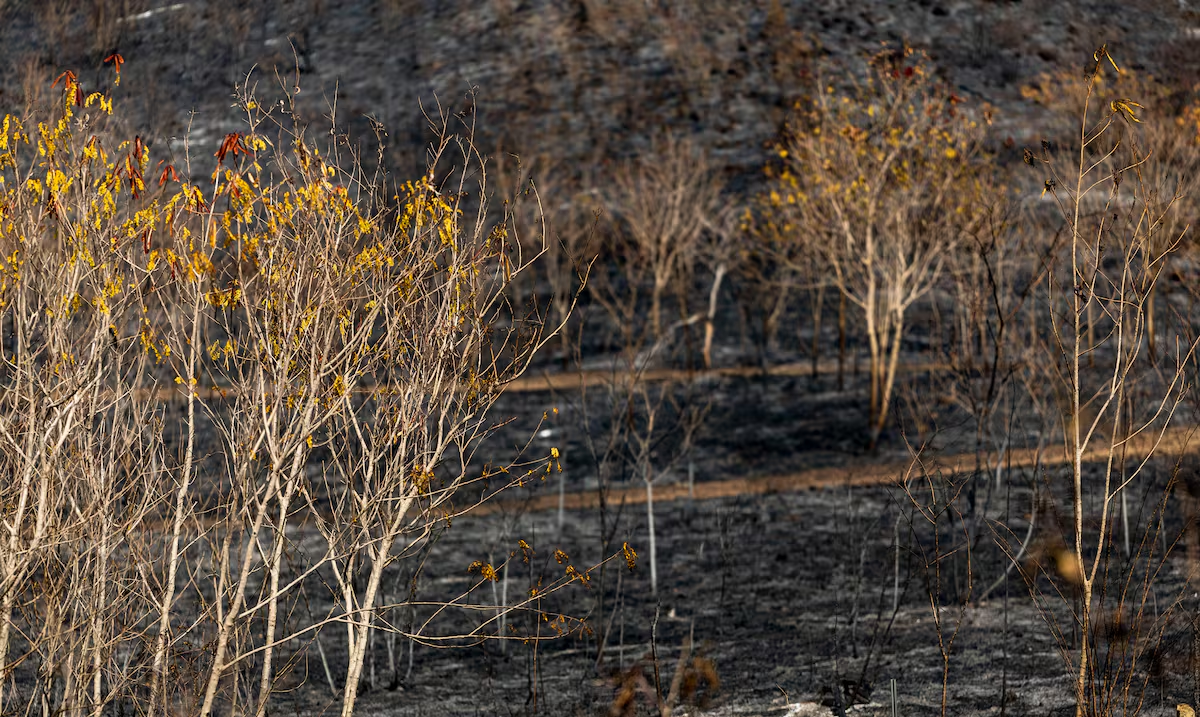
1/9 | In pictures: the effects of drought around the world. A field of dried sunflowers near Negotin, Serbia, shows the impact of the drought conditions affecting the country this summer. – Marko Drobnjakovic
However, the scarcity of data and the great natural variability of the phenomenon had made it difficult to determine to what extent its greater severity responds to warming caused by human activity.
The answer is in the corals
To investigate, the authors turned to high-resolution paleoclimatic records and reconstructed sea surface temperatures over the past 1,000 years using geochemical measurements of modern and fossilized corals from the Galapagos Islands.
Because the Galapagos are located in the center of the eastern Pacific region affected by El Niño, the chemical composition of their corals provides a sensitive record of changes in ocean temperature related to the phenomenon.
Corals grow between 0.4 and 0.8 inches per year by secreting layers of calcium carbonate. The chemical composition of these layers provides, in turn, a record of the temperature of the water in which they grew.
The researchers analyzed whether the observed changes could be explained by natural variability and compared them with climate simulations corresponding to the pre-industrial era, approximately before 1850, carried out with 12 climate models.
An anomaly of the last 40 years
The results showed that the variability of El Niño has increased considerably in tandem with global warming and that the most pronounced increase has occurred over the last 40 years.
Specifically, modern variability is 36.5% greater than during the preindustrial era, mainly because El Niño phenomena have become more frequent and intense.
“We have not observed any time in the past in which El Niño events have been as intense as they are today. For 40 years, the severity of the phenomenon is not normal compared to the last thousand years,” said the study’s lead author, Julia Cole, director of the Department of Earth and Environmental Sciences at the University of Michigan.