
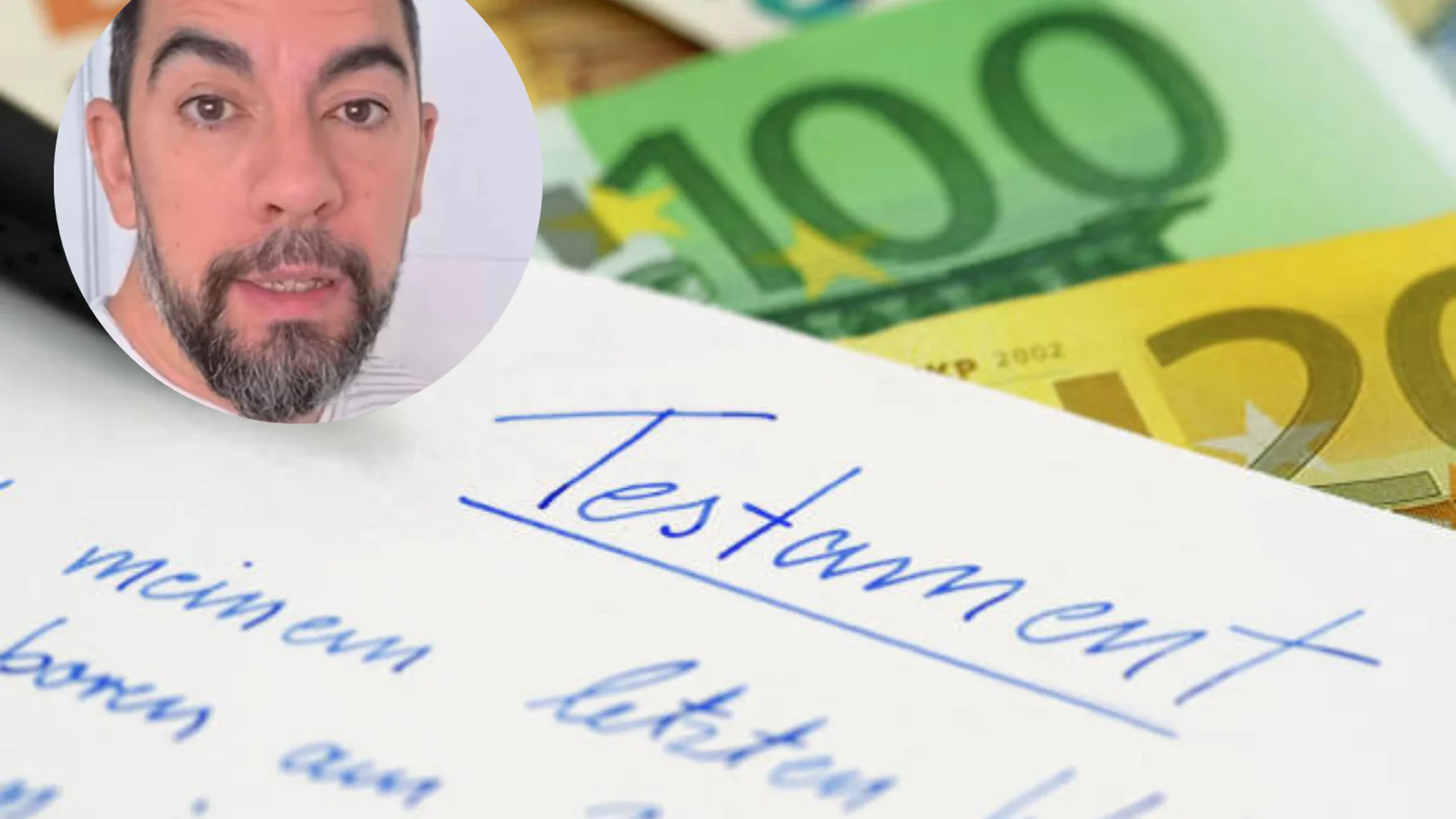
Accepting an inheritance can be a rather complex process for the heirsespecially if it is done before reviewing the debts associated with the assets and wealth that are going to be received. Given the lack of knowledge, many end up also inheriting the financial burdens of the deceasedwithout knowing that there is a way to pay them without them ending up affecting the successor’s own assets.
One of the biggest mistakes that can be made when managing an inheritance is accept it without having carried out a prior audit that determines whether it will mean a profit or only losses for those who receive it. Failure to do so may result in an unforeseen financial expense for successors which, in some cases, can be even higher than what they have inherited.
For this reason, the lawyer specialized in economics and inheritances, David Jimenezexplains a series of Factors to take into account when accepting an inheritance with debts. According to him, there is a way to prevent creditors from claiming the deceased’s debts from his successor, but it must be done “right at the moment of acceptance.”
There are two modalities of accepting an inheritance
With this statement, the lawyer refers to the existence of two different ways of accepting an inheritance. The first, and the one that occurs automatically, is the so-called ‘pure and simple’. Thanks to it, the successors accept both the assets and the debts and responsibilities left by the testator. This means that the corresponding and accepted percentageor becomes part of your individual assets.
“When you accept an inheritance without further ado, you are accepting it purely and simplyso that a confusion occurs between your father’s assets, the inheritance that you have accepted, and your assets,” warns the lawyer. Therefore, when creditors demand payment of debts, successors must respond with their own wealth in case these exceed what is inherited.
This obligation appears included in the article 1003 of the Civil Code, which provides that those who have accepted the inheritance by pure and simple modality, “or without benefit of inventory, The heir will be responsible for all the burdens of the inheritance“, not only with her assets, but also with their own.”
Accepting the inheritance for the benefit of inventory will allow both assets to be separated
However, there is a second method in which said assets are separated from the heir’s wealth, preventing it from being affected by what is owed. “To avoid this, the appropriate method is to accept inheritance for the benefit of inventory“, explains David Jiménez. Well, this tool allows successors to only respond with the inherited assets and, if this is insufficient, They will not have to pay the difference with their own wealth.
“It basically consists of establish two differentiated heritage blocks: the inheritance on the one hand and your assets on the other”, explains the lawyer. Thanks to this differentiation and according to what is stated in article 1023 of the Civil Code, The heir’s assets are protected from any debt or burden associated with those that have been received by inheritance. However, there is a fairly limited period of time to carry out this acceptance.
Heirs only have 30 days to request it in most of Spain
The deadline for requesting the inheritance for the benefit of inventory in Spain depends on whether the successor already has in his possession assets that he will receive with said inheritance. In this case, You will only have 30 days to request itfrom the day on which you are notified of your status as heir. Once requested, “The inventory must be initiated within 30 days following the summons of creditors and legatees and be completed in the next 60“, specifies Jiménez according to article 1017 of the Civil Code.
In case that this established period is not met due to the heir and according to article 1018 of the Civil Code, “It will be understood that he accepts the inheritance purely and simply“and must face the debts associated with the deceased with his own assets in the event that these exceed the value of those received. Well, as the lawyer recalls, “pure and simple acceptance is irrevocable.”
However, it should be taken into account that in Catalonia The period to carry out this type of acceptance amounts to six months from the notification or, even, “it can be taken both before and after accepting the inheritance,” recalls the lawyer, alluding to the provisions of article 461-15 of the Civil Code of Catalonia. Although recommends doing it as soon as possible to avoid complications.