
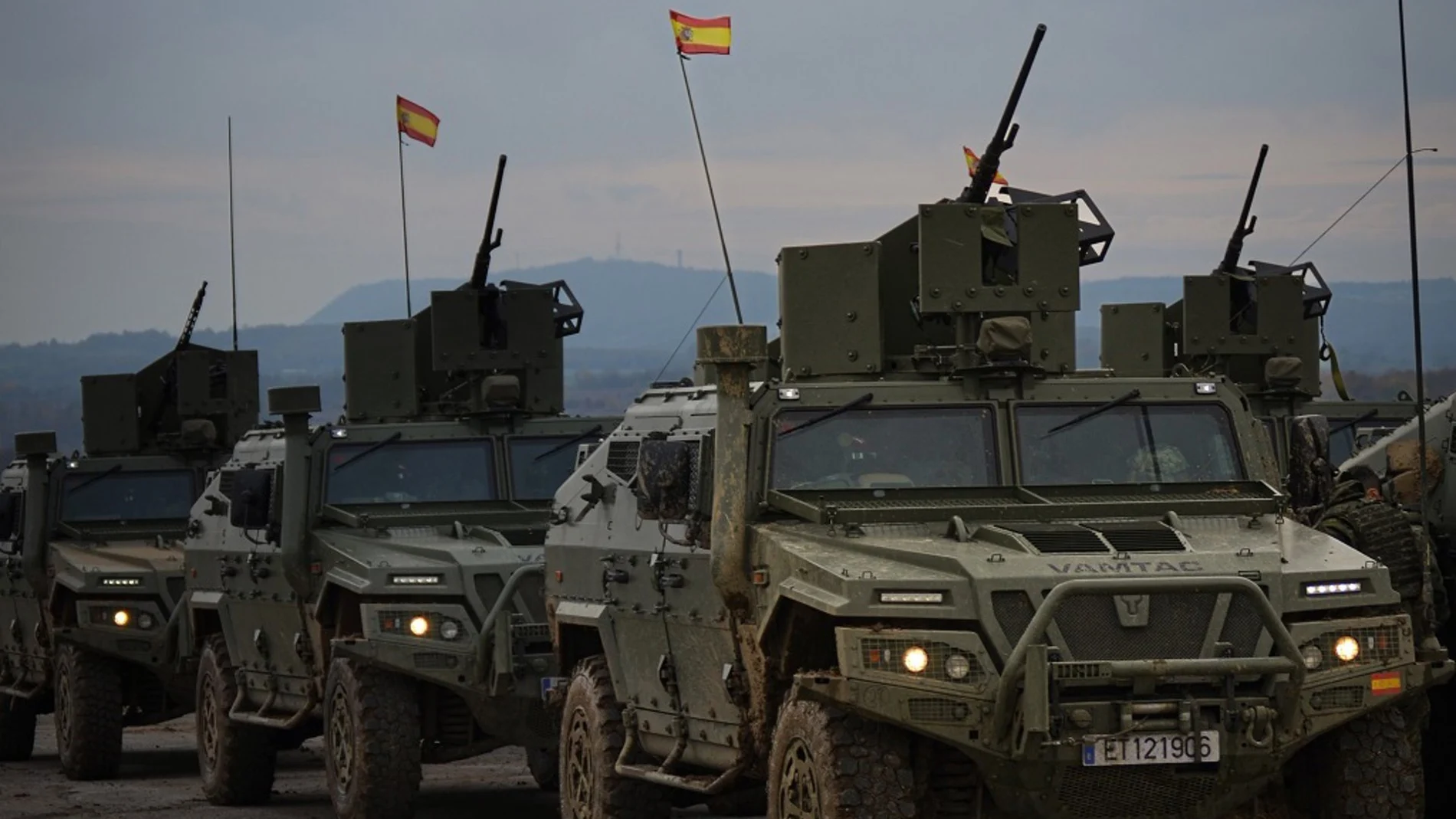
He Government of Pedro Sánchez has exploded exponentially defense spending of Spain. Despite its anti-war position, Pedro Sánchez’s Executive seems to have adopted the maxim of the Roman writer Flavio Vegetius “if you want peace, prepare for war” because Defense spending decisions approved by the Council of Ministers reached an average annual amount of 4,750 million euros in 2025, compared to 730 million on average in the period 2013-2024according to the report “This is how defense spending is changing” prepared by BBVA Research.
The analysis, carried out by processing more than 26,000 agreements of the Council of Ministers since 2013 Using big data and artificial intelligence to identify and classify defense actions, he assures that what emerges is that Spain seems to have entered a new structural investment cycle. “Since the Russian invasion of Ukraine, countries have increased their defense efforts, and Spain has been no exception,” he says.
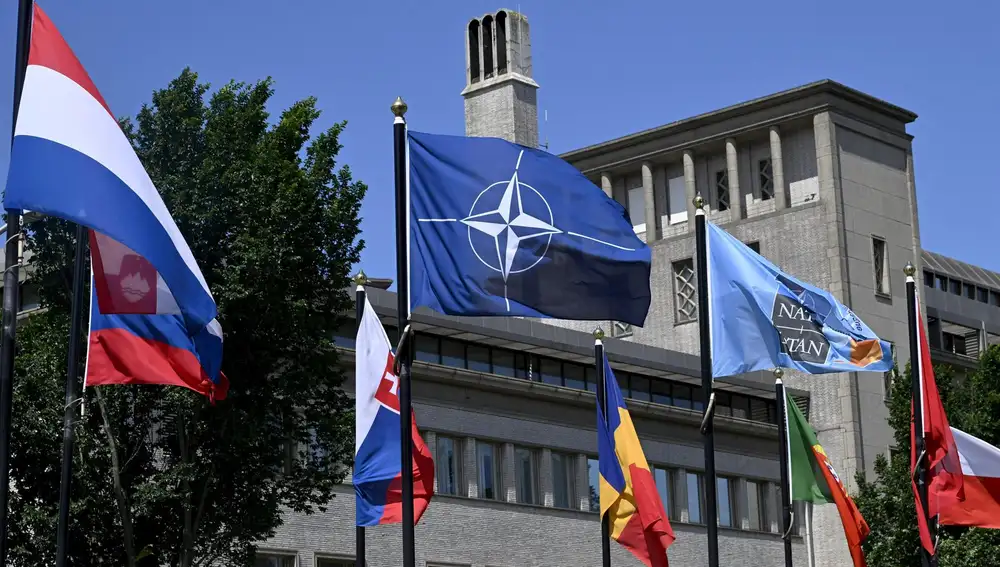
The strong increase in spending recorded in 2025, he adds, would have allowed the country to reach the threshold of 2% of GDP set by NATO, converging with the scenario set by the Alliance. All this, in a context of strong and continuous pressure from the president of the United States, Donald Trump, for Spain to increase its defense spending. At the last summit of the organization, held in July in Ankara (Turkey), Trump was very critical and “disappointed” with Spain after Sánchez rejected increasing defense spending to 5% in 2035.
The president of the United States even threatened to suspend all commercial relations with Spain. However, days later he stated that Spain “completely redeemed itself” after the Spanish Government agreed to an “important payment request” to NATO, without offering further details.
Diversified investment
The detailed analysis of the contracts shows that just as revealing as the increase in the volume of spending is the change in its composition. According to BBVA Research, the agreements of the Council of Ministers show that the increase does not respond solely to large modernization programs, such as those observed in previous years, but is distributed among practically all investment categories of the military spectrumfrom weapons systems to air capabilities, infrastructure, cyber defense, R&D, logistics or ammunition. “Everything points to a broad process of modernization of the Armed Forces,” he summarizes.
Public tenders also confirm that the decisions taken by the Government are being translated into contracts. Since mid-2025, an average of almost 2,000 million euros have been awardedreaching historically high levels, according to BBVA Research.
Supply contracts represent, on average, close to 65% of the amount awarded; while services account for around 30% and works, which have been gaining weight in recent years, around 5%.
With the data until June 2026, the study highlights that the average monthly pace of awards has stabilized at around 200 million eurosmoderating the pace observed in the second half of last year (almost 300 million euros, excluding the high amount in December 2025).
The data processed by the bank’s research service have also revealed how the Spanish defense industry is structured. A very important part of public procurement is concentrated in a relatively small number of large industrial groups, since the fifteen largest companies awarded, led by Indra, Airbus and Escribano (EM&M), account for 43% of the total amount contracted in 2025. In addition, these contracts are distributed in a few technological centers spread throughout the territory. Madrid, Seville, Albacete and Asturias bring together a good part of the design, manufacturing and integration capabilities of the main programs.
The analysis also reflects that while the development of land and naval capabilities rests mainly on national manufacturers, large aeronautical programs present a much greater degree of cooperation with European partners, reflecting multinational initiatives such as the Eurofighter combat aircraft.
BBVA Research highlights that Most of Spain’s defense purchases are made from national or European Union manufacturerswith a very small presence of suppliers from third countries.
He also adds that since 2022 the weight of programs developed in European cooperation and with other countries outside the European Union, such as the United Kingdom, has also increased, although the domestic market continues to be the main supplier to the Armed Forces.