
With the goal of continuing to train a new generation of environmental leaders from the classrooms, the international program EcoEscuelas celebrates two decades of presence in Puerto Rico.
The initiative, which currently impacts 15 public schools and colleges on the island, encourages students to identify environmental challenges in their school community and develop action plans aimed, mainly, at reducing water and energy consumption, waste management, biodiversity and climate change.
“More than many activities, what we want is for schools to establish short- and long-term improvement goals. We want students to not only receive information, but to be active agents of change.”he explained Carmen R. Valentín del Ríoexecutive director of the Sustainable Environment Organization (OPAS), in charge of coordinating the project established in Puerto Rico since 2006.
Created in 1994 by the Foundation for Environmental Education (FEE), EcoEscuelas is the largest program of its kind worldwide, with a presence in more than 100 countries and thousands of educational centers.
The project integrates environmental education into the school curriculum through a methodology that promotes student leadership and continuous development.
AND, As part of the achievements in the two decades in Puerto Rico, OPAS confirmed that 12 of the 15 impacted schools have the international Green Flag certification, a recognition that validates its continued commitment to sustainability.
To obtain certification, schools must complete at least two academic years within the program and document their progress through a portfolio that is evaluated under an international rubric.
“It takes time to demonstrate that improvements are constant and that sustainability has really been integrated into the school culture,” said Valentín del Río.
During the last school year, EcoEscuelas impacted nearly 5,000 students and teachers on the island. Half of the participating institutions belong to the public system, while the rest are private schools.
Climate resilience education
One of the most recent projects, the Resilient Schools and Communities 2026 workshop, took place this summer at the Guillermo Riefkohl Montessori School in Sideburnswhich had 59 participants in a pilot program on climate resilience.
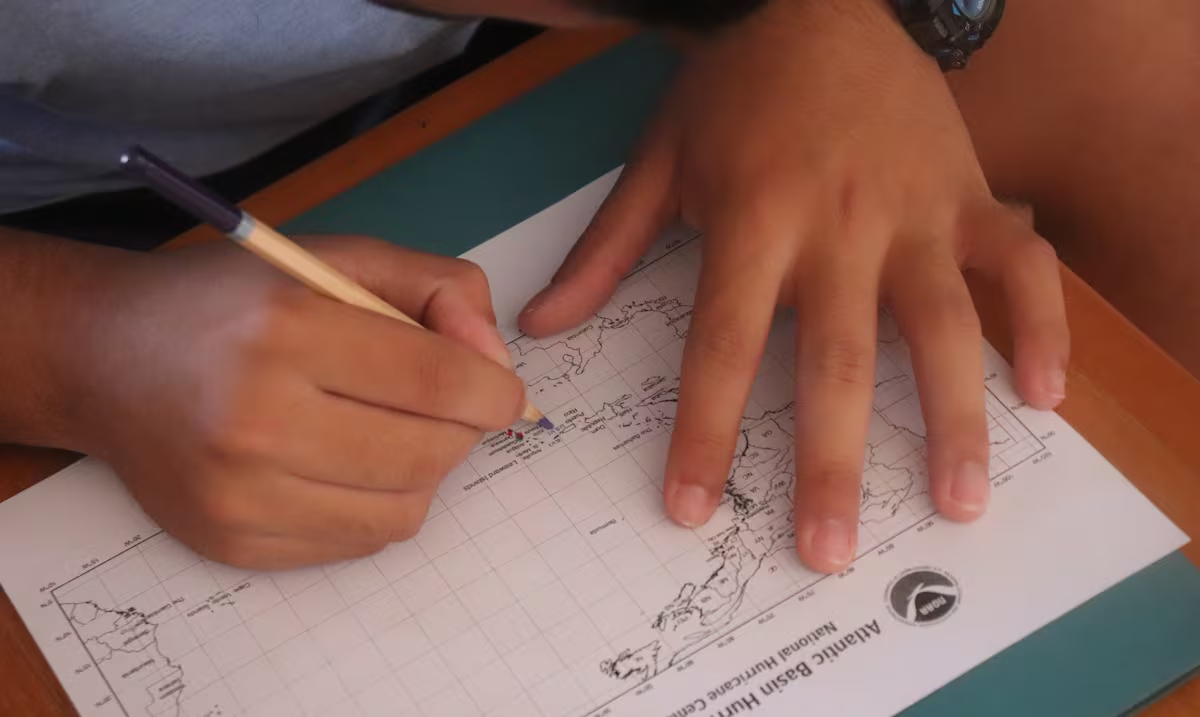
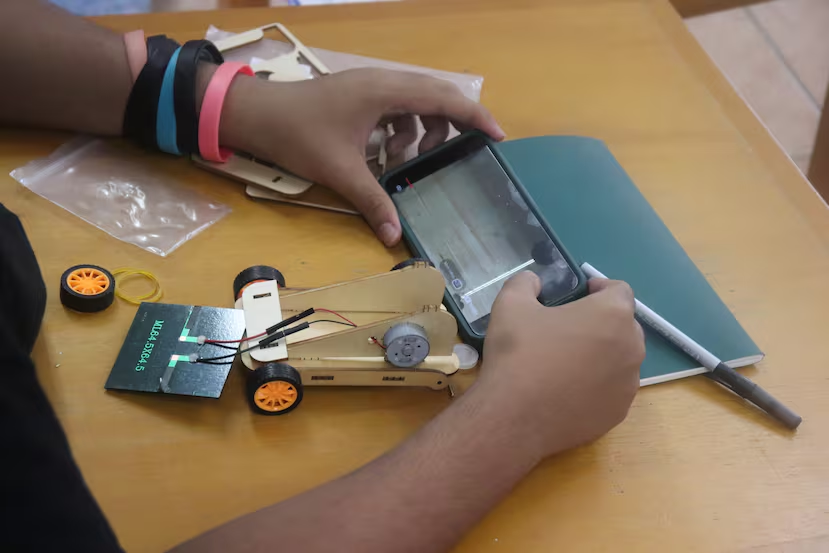
The initiative, led by teachers Olga Morales and Valeria González, included activities to interpret historical hurricane maps, analyze heat indices, identify climate risks in their municipality and present proposals to the community. The program culminated with a visit to Caribbean Creole Center for Science and Technologyin Caguas.
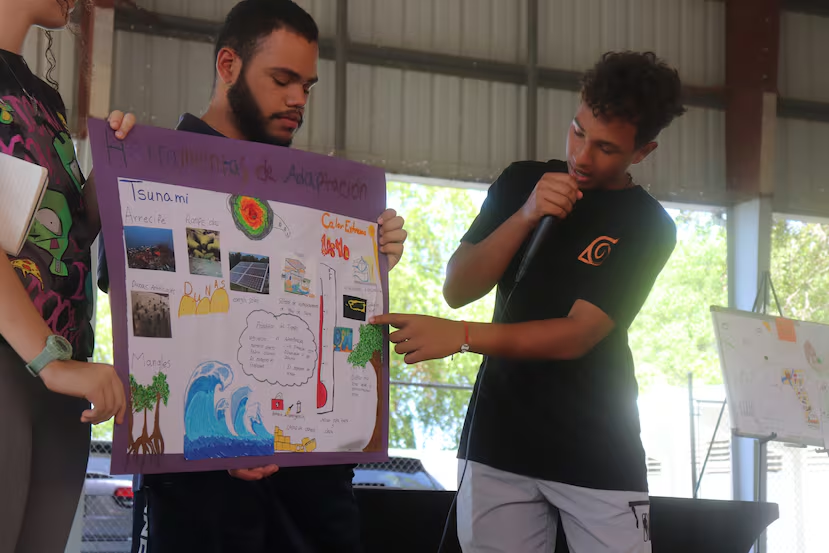
The school also maintains permanent projects such as a butterfly garden, nurseries, compost and comprehensive waste management, initiatives developed as part of its participation in EcoEscuelas.
At other campuses, projects include campaigns to eliminate disposable plastic bottles, textile and eyeglass recycling programs, temperature monitoring to design green infrastructure, and educational activities aimed at communities.
The challenges
Despite the success of the program in the participating schools, OPAS recognizes that one of its main challenges continues to be expanding the participation of public schools.
“The public system faces many administrative changes and a large workload for teachers. We are simplifying tools so that integrating sustainability into the curriculum is more viable,” he indicated. Valentin del Río.
The organization also faces financial limitations. Participating in EcoEscuelas requires a registration fee of $250 for new schools and an annual renewal fee of $220, funds that cover materials, technical support and training during the academic year.
However, when a school shows commitment, but does not have the resources to pay for enrollment, OPAS manages scholarships through private sponsorship, municipalities, and donations.
Currently, the organization opened a new call for public, private and Montessori schools, from preschool to high school, to apply for entry into the program for the next academic year.
For Valentín del Río, environmental education transcends recycling or the conservation of natural resources.
“Sometimes when we talk about environmental education, people imagine restrictions, but we talk about opportunities. “It is about protecting the natural capital on which our economy depends and preparing students to make responsible decisions with the future in mind,” he said.
“Investing in the environmental education of children is investing in the next generations, he concluded.