
Walk down the aisle of a supermarket. Look at that jam jar next to your everyday water bottle or cereal box. In less than five years they may not look anything like the products we know. Companies have a date marked on the calendar: 2030. By then, Europe requires that their packaging not only try to be sustainable, but also prove to be so.
Rebecca MellaCustomer Value Development Manager at Ecoembes, is blunt about this: «In 2030, if your packaging is not 70% recyclable, you have no packaging». It is no longer a question of complying out of environmental courtesy, but of ensuring access to the common market. If the structure does not reach that recyclability threshold, the product simply cannot be marketed.
“Packaging was born with the essential functionality of containing, but this approach has changed drastically,” says Mella. First, we understood that the product had to be protected and we designed durable containers, such as glass milk containers, that could be refilled. Then, we understood the power of neuromarketing and that a packaging Well designed can increase purchase possibilities and appeal to certain targets: black for gourmet products, round to suggest that you will maintain the line and green to imply that it is more “natural”.
For a long time, “ecodesign has been based on small, often aspirational, goals,” he recalls, “but It is no longer a matter of will or sustainability, it is a market criterion». It is no longer about wanting or not wanting. Packaging, ideally, should be the result of a series of technical decisions considered by an R&D department.
The transformation is visually fascinating. The containers from fifty years ago were more robust and heavier. Today, the trend is reduction; minimalism. The yogurts are rounder than ever because the product is used more, there are no remains at the bottom and that makes it easier to recycle. They also weigh less. Some are 25% lighter than 20 years ago. The same thing happens with cans: they weigh 40% less than those of three decades ago. In addition, they were previously impossible to crush and now they can be easily compressed to take up the minimum possible space in the container.
Materials have also been removed to facilitate recyclability. «An emblematic case is that of brands like Actimel, which have removed the labels to engrave your name directly on the relief of the packaging,” says Mella. In addition, the color is disappearing: “The consumer throws away the yellow container better when the container is transparent and clearly identified as plastic.”
Even elements that previously went unnoticed, such as empty space inside potato chip bags or transport boxes, are under the scrutiny of the new regulations to avoid unnecessary air travel. “It is not only about optimizing the environmental impact from start to finish, it is a logistics investment that saves costs and improves logistics operation,” says the expert.
CircularCheck, a compass in the legal storm
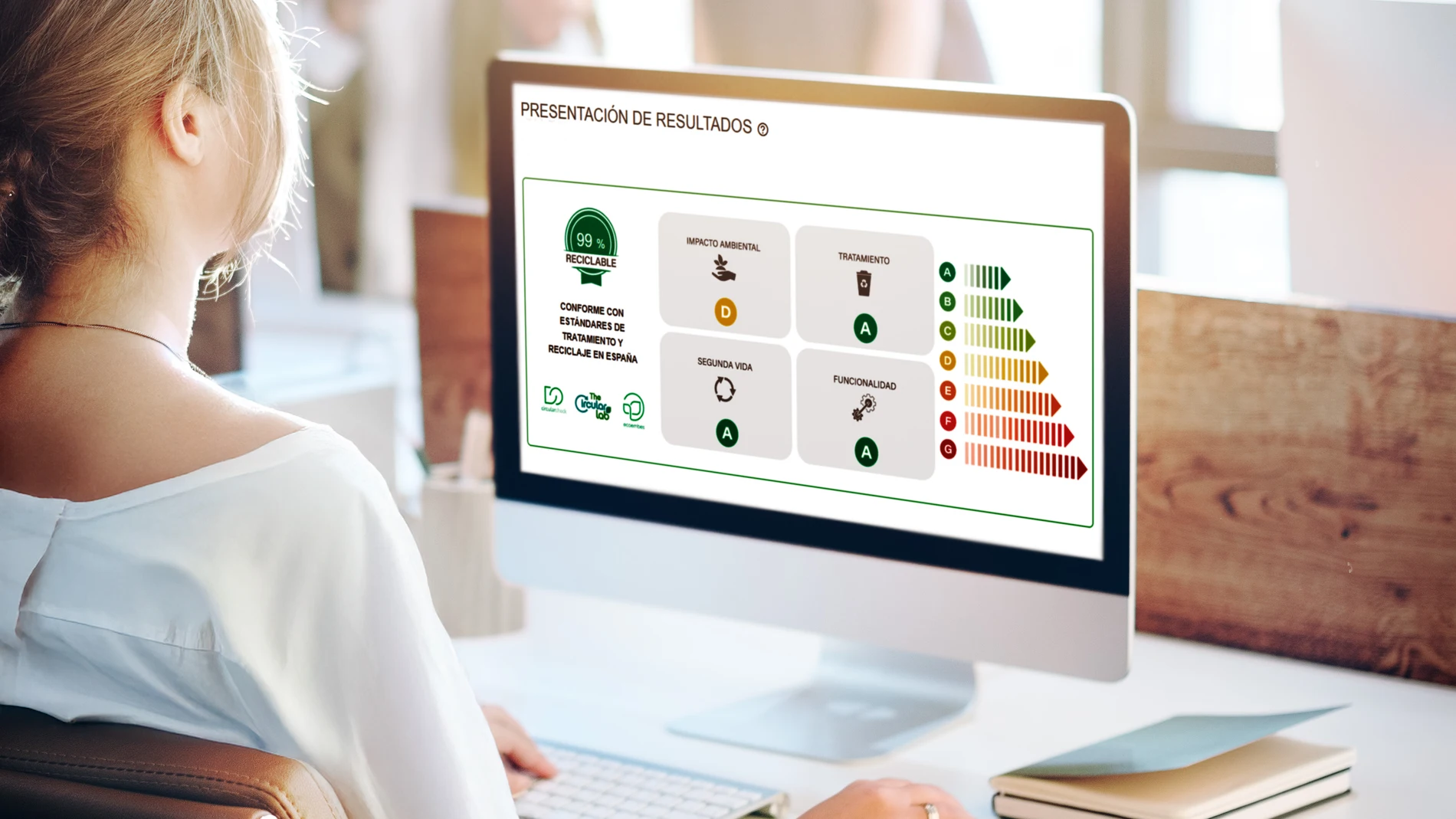
In this sea of change, companies, from large multinationals to small local producers, are looking for a lighthouse to guide them. Ecoembes’ response has been CircularChecka tool born from two years of active listening and the ingenuity of TheCircularLab, its innovation center in Logroño. Currently, this software is the only certified tool that evaluates packaging throughout its life cycle, giving it a grade from A to D, as if it were an exam.
This allows companies to adapt to what’s coming. Provides a technical diagnosis and, most importantly, recommendations for improvement: remove a label, change a color or replace a material multi-material for a mono-material so that the recycling plant can process it successfully. It is, in Mella’s words, a “common language” between the manufacturer, the brand and the distributor, ensuring that the entire value chain speaks the same language of sustainability.
“In the future,” he points out, “the consumer may also have to change some habits.” The expert predicts that Europe is heading towards a world where reuse will be the norm. “I think that It will become increasingly easier for us to imagine that we return home with bottles of detergent to refill them at the point of sale or that, after receiving a pizza in a box and enjoying it, someone from the restaurant returns to collect it, wash it and put it back into circulation. We will have to start getting used to the change, because the packaging will continue to evolve and will be different,” he predicts.
The transition is not simple and the legal framework is complex, with a Regulation of Packaging and Packaging Waste that will be mandatory in August 2026. «Initiatives such as the “Hands on the Standard” training cycle, by Ecoembes, seek to ensure that no company gets lost on this path. We offer technical support and connect companies with startups that work with new technologies. Here we don’t leave anyone behind,” he says.
«The transformation of packaging is, ultimately, an investment in security and competitiveness», concludes Mella. The journey towards 2030 has already begun and, although the path requires effort and redesign, the destination is a more efficient, competitive and respectful market with the world that “contains” us.