
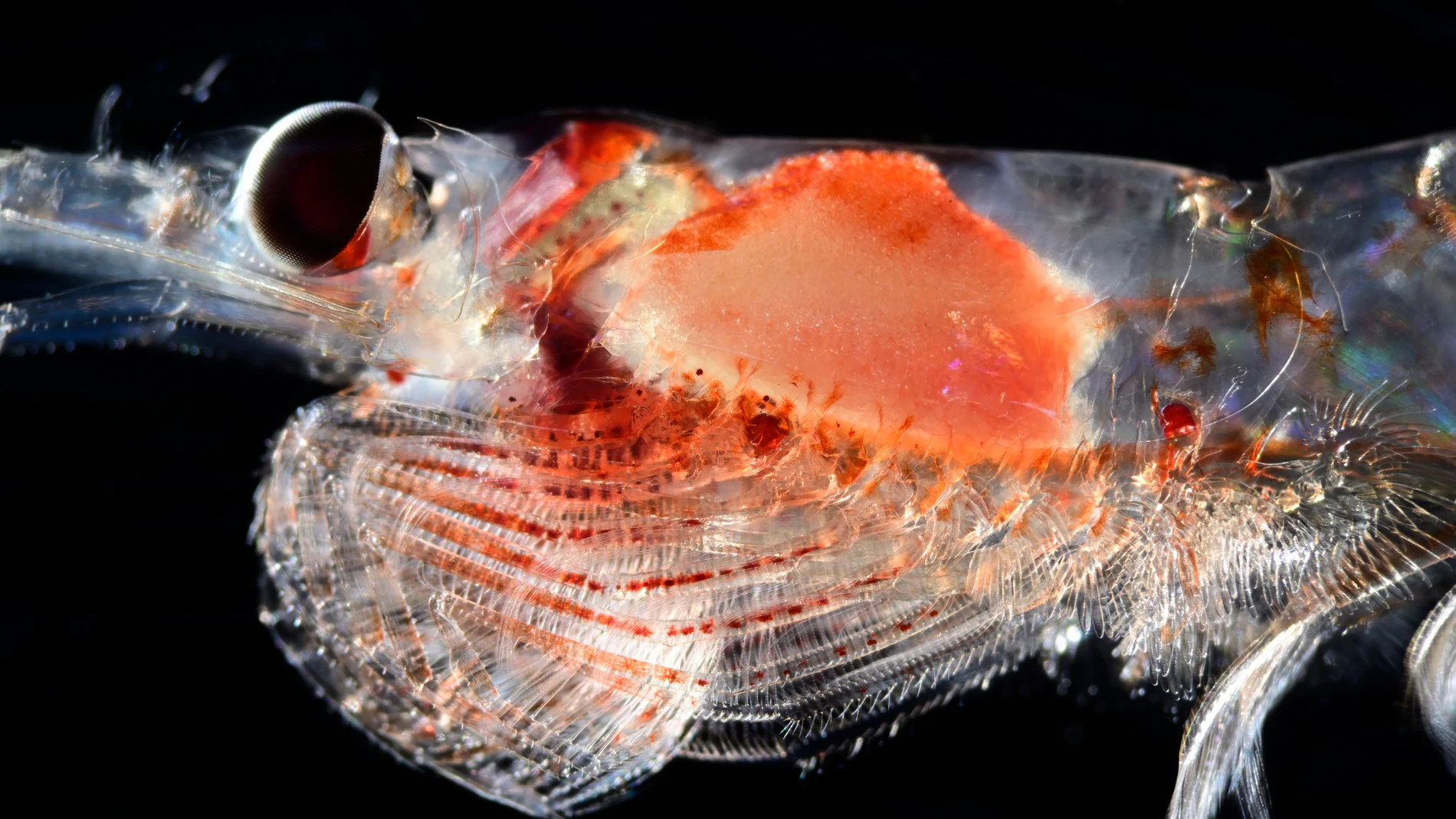
The Spanish scientist Sergi Taboada answers the phone aboard the Greenpeace Spain icebreaker, which moves through the icy waters of the Norwegian Sea towards one of the most unexplored points on the planet. A few hours before hanging up, he and the rest of a team of European researchers will make the first of several dives that will reach almost 3,000 meters deep. This window into the abyss will allow them to explore a remote ecosystem that humanity has visited less than the surface of the Moon, and it is very possible that find new species never described by science.
After leaving Ireland on May 8, the crew sailed for almost six days until they reached a strategic point called Banana Hole, where the Atlantic surrenders to the advance of the Arctic, between the coasts of Norway and Greenland. During the month-long “Deep Arctic” expedition – the first of its kind launched by Greenpeace International – they will document the mysteries of the deep ocean around the North Pole. Your mission? Compile sufficient scientific evidence to strengthen the arguments in favor of the creation of Marine Protected Areas in international waters. Waters that, in this case, are threatened by the expansionary desire of the underwater mining industry.
Taboada, a marine biologist at the National Museum of Natural Sciences in Madrid (CSIC), describes a feeling of absolute isolation: “We are just now reaching a point that is in the middle of nowhere, we only see water around us, and yet, beneath us, ecosystems of astonishing complexity are hidden,” he points out, especially in areas of abyssal plains, seamounts and volcanic springs. «People often think that the seabed is smooth, but it is full of mountains very rich in biodiversity. They inhabit sponges, gorgonians and species that do not live anywhere else,” he highlights.
The Spanish group, composed of him and Julio A. Díazfrom Uppsala University in Sweden, focuses on the study of invertebrates, especially annelids and sponges. The latter represent one of the oldest forms of life on the planet and, in fact, are considered very similar to the first animals that populated the Earth. «They are simple organisms, but not simple. “They have survived for millions of years, share genes with humans (they harbor potential cures for diseases such as cancer) and perform complex functions, filtering water and recycling organic matter to clean the seas,” explains Taboada.
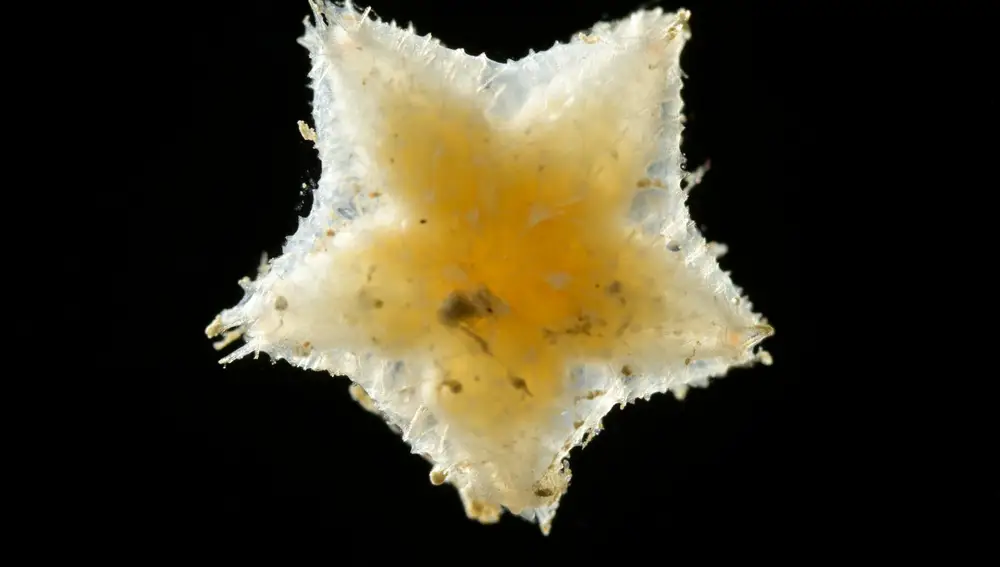
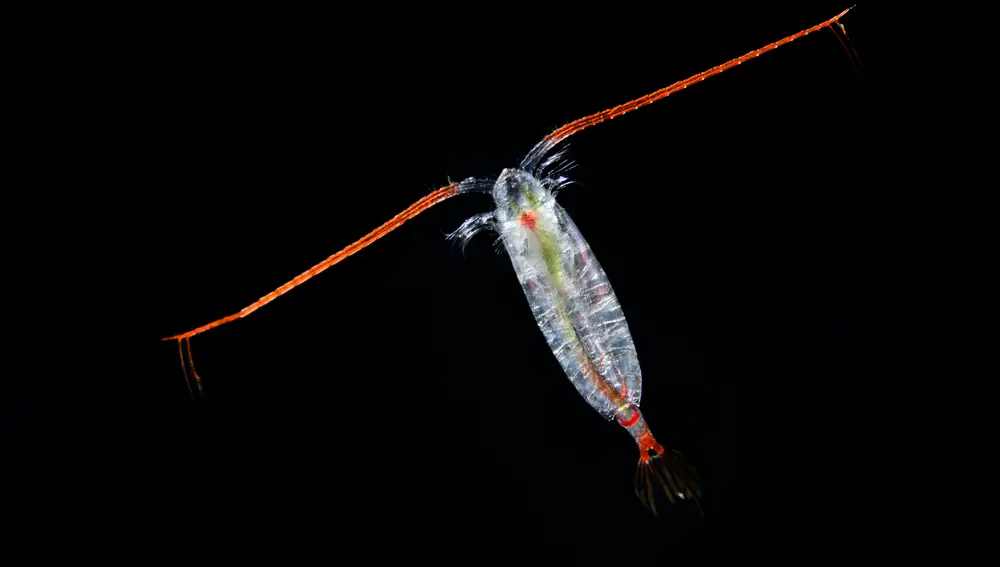
«Today they continue to be the habitat creators; the equivalent in the deep ocean to the trees that make up terrestrial forests,” says the biologist. “The sponge fields create a three-dimensional structure where a multitude of marine species take refuge and feed, from crustaceans to organisms still unknown to science.” The mission of the Spanish group It consists of “identifying these species and determining the degree of connection between different habitats – sometimes hundreds of kilometers away – to get an idea of the genetic diversity that these organisms have.”
By analyzing RNA fragments preserved in ethanol and using massive sequencing techniques, researchers seek to determine which ecosystems are most vulnerable and which have the greatest capacity to resist threats such as climate change. A work that could become a decisive tool to design future marine protected areas in international waters.
The gold of the seabed
The background of this mission is a fight against time and industry, which wants to extract deposits rich in critical minerals and rare earths from the ocean floor. The problem is that this activity is not regulated internationally nor is its impact known. “We have to discover and name these organisms before they disappear”warns Taboada, “because we can lose them before understanding their value.”
Until recently, the Norwegian government planned to open this area to underwater miningan activity that, according to experts, would cause irreversible damage. Although a recent precautionary pause has stopped licenses until 2029, the threat remains.
«Submarine mining would eliminate the rocky substrate where very slow-growing organisms settle. If it is destroyed, they would not colonize the area again.; “It would be a harmful cascade effect even for the fisheries from which we feed,” Taboada denounces.
From Spain, Ana Pascualresponsible for Greenpeace’s Oceans campaign, reinforces this vision: «The area is of great ecological value and is already classified as biologically important (EBSA). “The expedition will gather the scientific basis necessary to put pressure on destructive projects not to be given the green light.”
Thus, the success of the expedition will not be measured only in genetic samples, but in legal protection. With the entry into force of Global Ocean Treatythe international community now has the tool to declare Marine Protected Areas in international waters.
“The science is clear: to have resilient oceans that regulate the climate and sustain life, we must protect 30% of the waters by 2030,” Pascual recalls. «But there is only 1% protected in international waters and we only have four years left to get there, which makes COP 2027 a definitive event to move from promises to action and stop this authentic gold rush.
For Taboada, motivation transcends data: «Many only see water when they look at the sea, because they cannot imagine what is below. We have to tell people that there are spectacular things that deserve respect for their own evolutionnot only because of the benefit they give us, which is also a lot.
The expedition will conclude in June in Bergen, Norway, where Initial findings will be presented as irrefutable evidence to policymakers. Meanwhile, in the darkness of the Arctic, Spanish scientists continue to search for answers that will ensure that the true treasures of the deep ocean survive the threats of the present.