
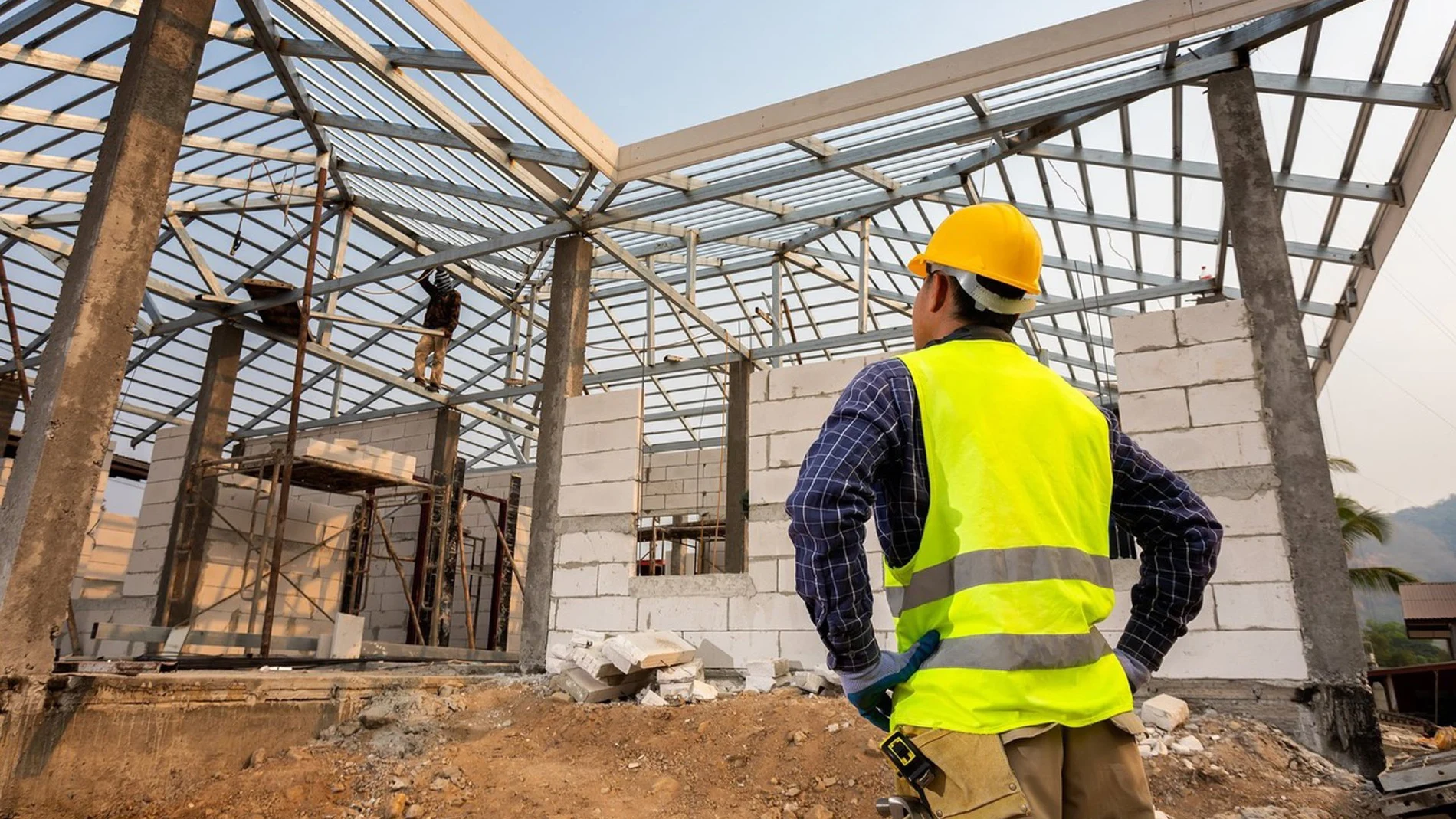
Four months late on the planned calendar due to disagreements in its negotiations with the autonomous communities, the Council of Ministers yesterday approved the State Housing Plan 2026-2030.
The project triples the investment in the matter up to 7,000 million euros – 60% will come from the Government and 40% from the autonomies – and, as a great novelty, it guarantees that all affordable housing promoted with this money will be public in perpetuity. In addition, it includes what the Minister of Housing, Isabel Rodríguez, called the “anti-fraud clause”, which implies that the records of housing applicants will be protected to prevent the fraudulent allocation of homes to those who do not need them. Thus, it is stipulated that homes built or acquired with resources from the plan “will have to be awarded with objective, measurable, transparent and traceable criteria.”
Rodríguez assured that it is a “very important plan that I believe will be very useful as a solution to the housing problem, not tangentially but rather by addressing structural changes that were highly demanded by citizens and the sector.”
But despite highlighting its usefulness, various sources in the sector doubt its effectiveness. The Association of Rental Home Owners (Asval) He valued that the plan represents “a step in the right direction”, but warned that “its impact will be limited if budgetary ambition is not reinforced, a solid incentivized affordable rental model is developed and fully aligned with the new European framework”.
In a note, the large holders denounced that “on many occasions” they are “de facto assuming a social shield function that should correspond to the State through a sufficient and adequate public park”, which is why they maintain that “any protection system must be accompanied by clear, effective and financially provided compensation mechanisms, which guarantee a balanced distribution of responsibilities.”
The Federation of Real Estate Associations (FAI) He also denounced that the plan “does not sufficiently focus its resources or its measures on these stressed markets.” He also agreed with Asval that it lacks a solid budget allocation and highlighted that the design of the plan conditions the actions of the autonomous communities through co-financing systems, which makes its application difficult.
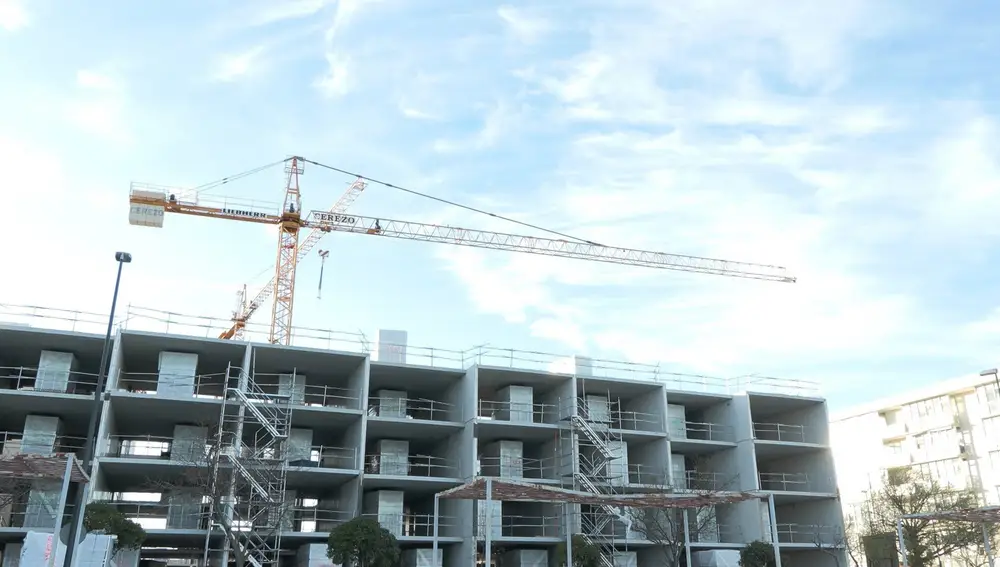
The promoters’ association (APCEpaña), although it considers it a first step, He assured that it is necessary to wait to see how the agreements with the autonomies materialize, a key element for the execution of this plan, to be able to assess its real scope. Furthermore, he reiterated the need to continue enabling land to build, an aspect that the Housing project does not address.
The construction employers’ association (CNC) also fears that the confrontation between the Government and the PP autonomies could truncate the plan, which is why it insisted on the need to “reinforce coordination and dialogue between administrations to guarantee agile and effective execution.”
Precisely, from the PP, its spokesperson for Housing in Congress, Alberto Ibáñez, regretted the lack of funds since the 7,000 million euros with which the plan is endowed are 30% less than those spent in the period 2009-2012.
The Deputy Secretary of Finance, Housing and Infrastructure, Juan Bravo, assured that the new Housing Plan characterizes what the Executive’s housing policy is, which is that “it makes many announcements, but the reality is that these facts translate to zero.”
The first opportunity to check how far apart the positions are will be next April 28, the day on which the ministry has summoned the autonomous communities to prepare the Sectoral Conference in which it will try to reach a financing agreement on the plan.
Aids
The plan approved yesterday is based on five axes: more public, protected and affordable housing, better housing, advancing the age of emancipation of young people, reducing the rate of effort to pay for housing and reversing stressed areas and paying special attention to the rural world.
To achieve its objectives, it contemplates that 40% of its funds will be allocated to construction, 30% to rehabilitation and another 30% to aid.
The plan includes aid to promote public housing or public-private collaboration with up to 85,000 euros per home, which will have a maximum rental price of 900 euros per month and will be forever protected, up to 8,000 euros per home to finance the development of land on which it is planned to build at least 40% of protected housing, structural rehabilitation aid of up to 8,000 euros per home or aid to young people for 300 euros to pay the rent.