
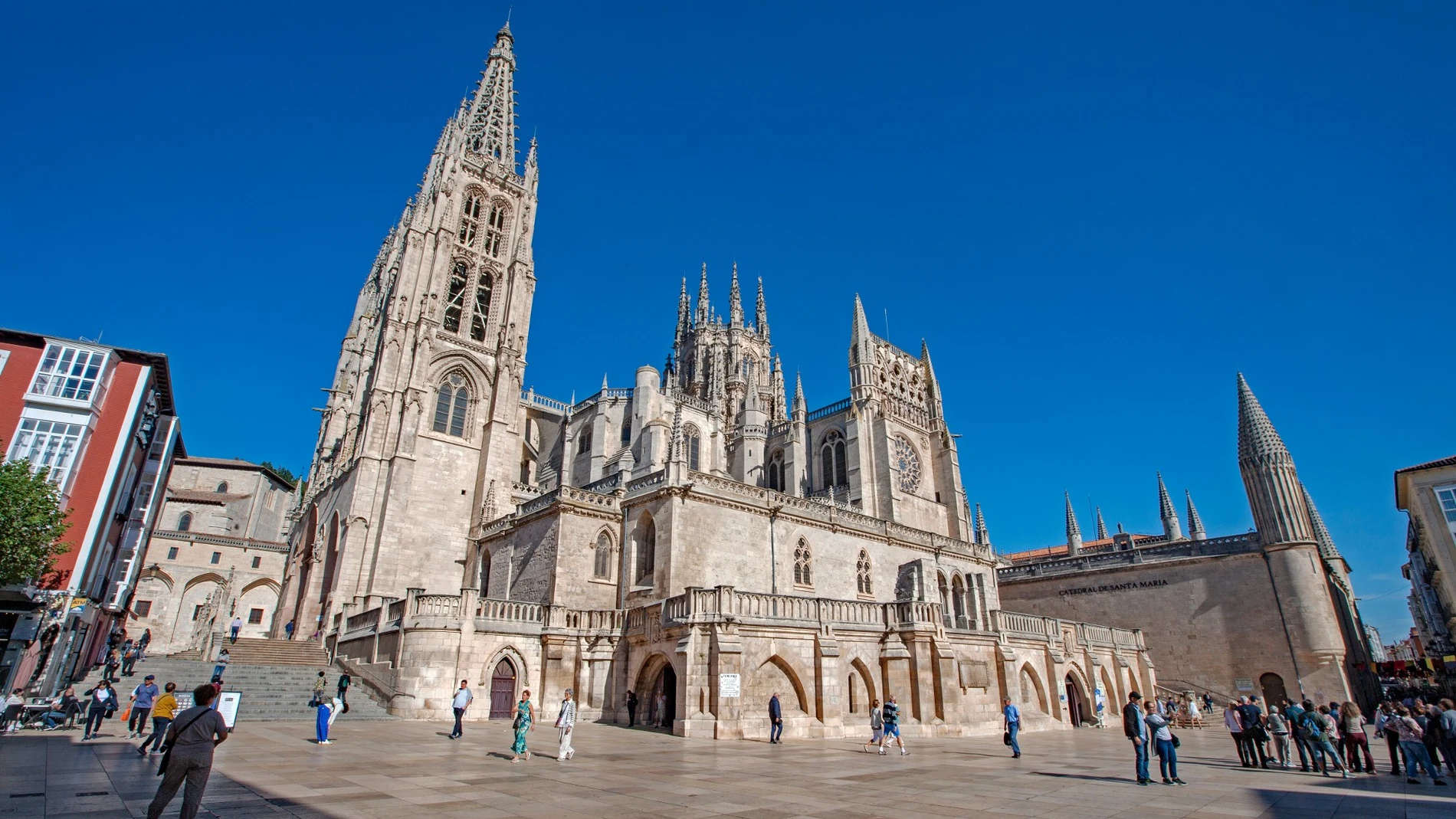
IoT sensors to monitor the Burgos cathedral; a self-sufficient drone to protect the archaeological site of Castro de Ulaca, in Ávila; 3D images of the Castillo de la Mota, in Medina del Campo (Valladolid), to generate better experiences for tourists; predictive models made with artificial intelligence to maintain historical monuments…
Technology is completely changing the way we do things. And the Junta de Castilla y León has decided to incorporate it to improve the management of historical heritage – not in vain, it is the Spanish autonomous community with the largest historical heritage – both for conservation tasks and for promotional activities. In fact, “Castilla y León has been a pioneer in the application of innovative initiatives in the study, rehabilitation, safeguarding and dissemination of cultural heritage,” explains Juan Carlos Prieto, general director of Cultural Heritage.
Predictive models
Artificial intelligence is making an essential contribution to achieving more efficient management of cultural and historical assets, because it allows predictive models to be launched. The latest edition of the international AR-PA Cultural Tourism congress, held a few weeks ago in Valladolid, was dedicated precisely to artificial intelligence, and the importance of this technology in the preservation of heritage was highlighted. As explained by the assembled experts, predictive models allow us to act preventively, before deterioration of the monument occurs, and not reactively, when a collapse has already occurred, for example, and when the damage is much greater, sometimes irreversible. “The projects that we are developing in collaboration with technology companies,” Prieto comments, “will involve an investment of almost 11 million euros and will serve to change the traditional management of cultural heritage towards comprehensive digital management, where preventive conservation becomes important.”
To feed the artificial intelligence platform with data, a project has been launched that consists of monitoring with IoT sensors a hundred assets of cultural interest, such as the cathedrals of Burgos, León, Ávila, Salamanca, Segovia, Valladolid, Zamora, Astorga… as well as numerous churches, monasteries, walls, etc. These sensors offer very valuable information. “These systems collect parameters related to humidity, temperature, security and number of visitors, among others, and with this information decisions are made that allow improvements in energy efficiency and security against the looting of monuments, degradation, a possible fire or flood, to give some examples.” In this way, in addition, “costs are reduced, the investment in restoration is profitable, the image of the property or element is improved and we fulfill a social commitment for the enjoyment of the heritage.”
Another way to tell the story
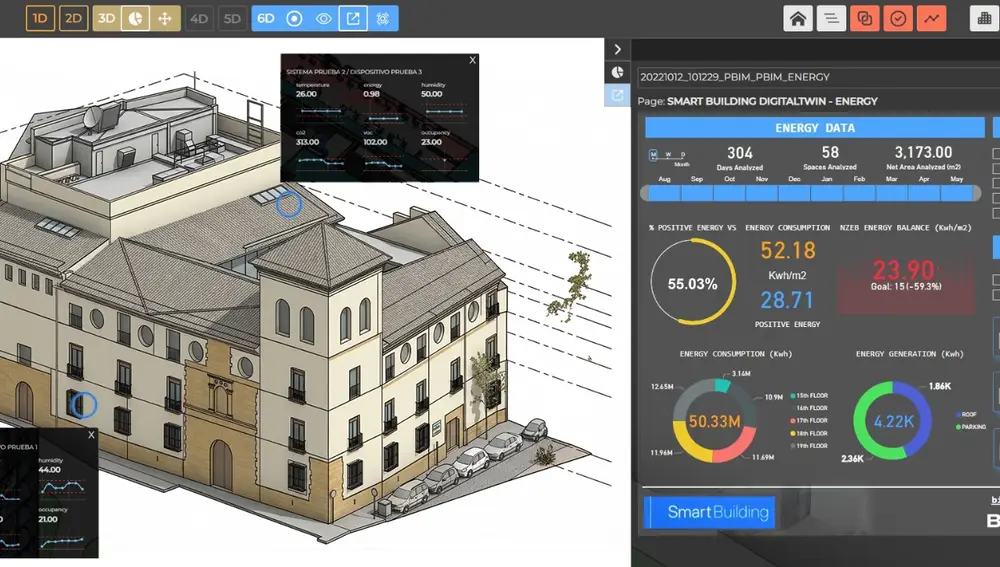
Technology is also being used to change the way history is told to visitors. In that sense, another of the stellar projects of the Junta de Castilla y León has been the digitization of spaces and their incorporation into the BIM methodology. In other words, 3D recreations of 14 assets of cultural interest are being made.
This procedure allows, first of all, to speed up and simplify the maintenance and conservation of these monuments. But also, the creation of 3D images opens up many possibilities from a promotional and tourist attraction point of view. “The new heritage narratives,” the Board says, “combine digitalization, multimedia and artificial intelligence to offer immersive and educational experiences that capture the interest of tourists without losing historical rigor.” These tools, much more in line with the times, “allow us to connect with the general public, and especially with young people.”
In short, it is a set of new technologies whose application to the cultural heritage sector had been practically non-existent until now. “The actions we are developing,” concludes Juan Carlos Prieto, “will lead to a revitalization of the business ecosystem linked to cultural heritage, and will enable the emergence of innovative and highly resilient business models in rural environments. In addition, they are improving efficiency in the provision of public services linked to heritage, both from the point of view of conservation and the cultural activities carried out.”