
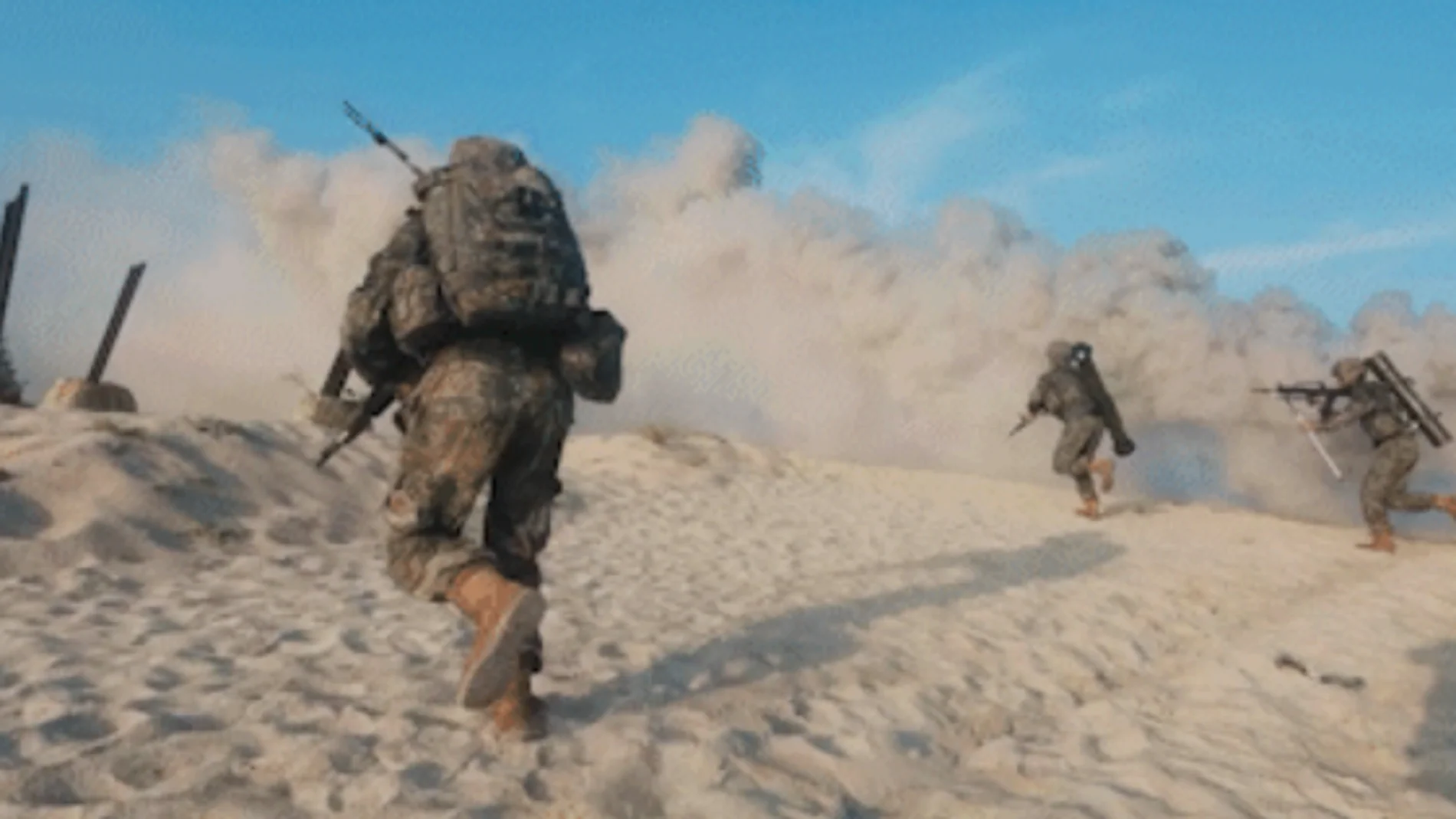
He People’s Liberation Army and the National University of Defense Technology (NUDT) have developed a military AI that acts as a ‘digital chief of staff’ and has proven to function in the chaos of war more effectively than a human. In simulated amphibious assaults, he has outperformed veteran commanders making decisions 43% faster and maintaining more than 90% accuracy during communications interference. According to South China Morning Post, the Chinese Army has integrated this autonomous AI system into its command structures at the battalion levelas support to the commander, to help manage the complexity of combat.
The system combines large language models with real-time battlefield data to highlight key information and detect tactical gaps. Seeks separate the noise from what is important so that managers can quickly identify where the real risks are, what data is missing to make decisions, and so on. locate unknowns that can be decisive in the success or failure of a mission.
AI offers the advantage that, Faced with the pressure that can affect a human commander, it orders priorities in real time and focuses on the most important aspects to prevent critical information from escaping.
To put it to the test, the NUDT team pitted AI against five veteran military expertsmen with an average of 12 years of service and experience in amphibious warfare research. According to SCMP, the scenario was a landing on a beachhead under maximum pressurethe type of operation that is often associated with a possible conflict between China and Taiwan.
In the simulated amphibious invasion, marked by the chaos usual in a war, AI was in charge of coordinating command while the troops and armor advanced from the coast towards the interior. His role was maintain operations at all timesproviding order and continuity in full offensive.
43% faster
AI shortened the cycle of observation, analysis, decision and action, allowing the command team react 43% faster. While the human commanders continued to consider alternatives, the system had already taken action.
Even as electronic interference filled the digital battlefield with noise, AI continued to recover key data with a high degree of reliability, with more than 90% accuracy.
Its greatest advantage, in any case, is not only in what it detects, but also in what it is missing. During the simulation, as the armored units advanced inland, the AI pointed out a subtle anomaly. He observed the movement of the enemy, but he marked the absence of reserves as a dangerous blind spot and an indication of a possible ambush..
The AI system did not sit back and think over a map, but instead instantly recommended deploying reconnaissance units to expose the hidden ambush. Did in seconds what normally requires minutes of debate. According to published information, the system adjust each suggestion to the protocols established in military manuals and works effectively even when communications are severely degraded.
The limitations of Chinese military AI
The researchers recognize that the system has a problem of ‘cold start’ because the AI functions as support to the commander and adjust your recommendations to your way of deciding. If that command is new or there are no previous decisions recorded, the system lacks references to properly personalize its help.
It is also, for now, a specialized AI, trained for coastal areas but not tested in urban combat or other scenarios.
In the future, instead of relying on human intuition, AI could serve as ‘intelligent battlefield agents’ to simultaneously manage and synchronize multiple military units.