
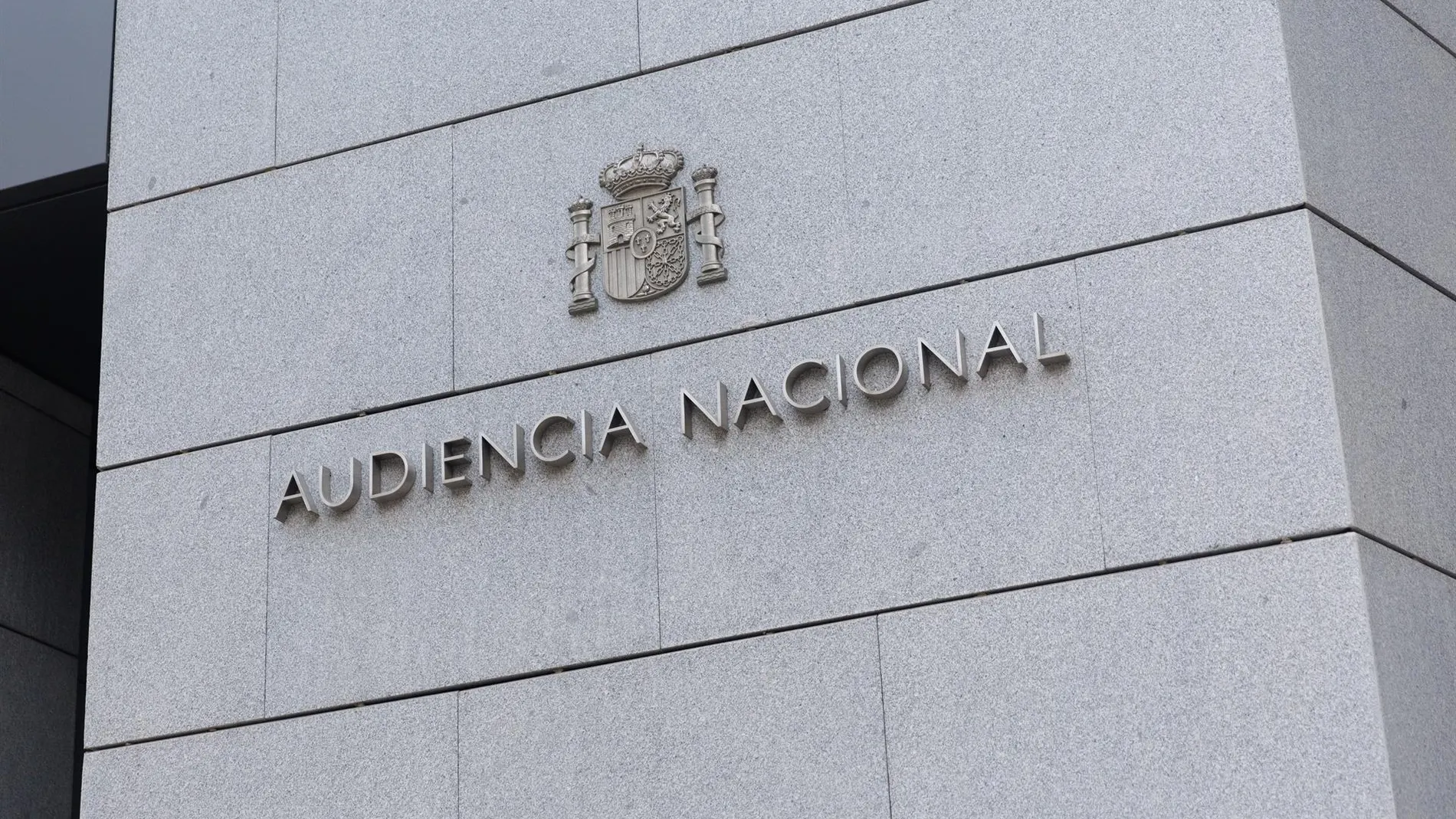
The National Court (AN) A key defendant in the so-called ‘crypto-cannabis’ scam is pending taking a statement on April 7which raised more than 645 million euros. This is one of the biggest frauds at European level.
The statement of Víctor Bitner, investigated for an alleged crime of aggravated fraud, money laundering and membership in a criminal organization, was scheduled for last Wednesday. However, the investigating judge of the procedure, Antonio Piña, could not attend and the appearance of the investigated person fell to the head of the Central Court of Instruction number 5, Santiago Pedraz.
The judge decided to postpone the key interrogation of the accused, pending Piña’s return, and keep Bitner in provisional detention without bail due to a “high risk of flight” and destruction of evidence.
The person under investigation, who was arrested in Germany, is considered one of the key players in the alleged international macro scam of the cannabis investment platform Juicy Fields. He is, in fact, described by investigators as the economic manager of the plot.: managed one of the bank accounts that received more than 161,000 million euros from the victims of the fraud and was the administrator of one of the companies in the scheme.
“He has also participated in money laundering for the criminal organization through his cryptocurrency account, where 3.46 million dollars are received from addresses controlled by the network,” the order states.
However, the Court is awaiting Bitner’s appearance and also the investigation being carried out in Germany, which is simultaneously investigating the case.
However, the considered The “leader” of the network and the one who gave “orders” to the rest of the members of the criminal organization is Sergei Berezininvestigated for the same crimes as Bitner. He was arrested in the Dominican Republic in April 2024 and gave a statement before the magistrate last November.
But Berezin was not only the leader, but also, according to the Police, he ordered another member of the criminal organization “to murder Bitner for having disappeared with access data to different banks.”
In his appearance before the judge, this Russian citizen even assured the judge that part of the money raised with the scam went to a drone factory in Saint Petersburg. His statement pointed out what investigators already suspected: in what is considered the largest European fraud, the network had the support of the Kremlin.
Only In Spain, those affected would amount to 1,766 and those reported would be 284.according to an order from the magistrate. The amount of fraud reported in our country would amount to 24,192 million euros. But how did the alleged pyramid scheme work?
Network operation
Investors registered on the website and allocated large amounts of money to purchase cannabis crops – which did not exist – and from which they expected to receive returns of between 70% and 168.08%, according to the platform.
Payments were made through cryptocurrencies of three types: Bitcoin, Ether and Theter, which reached a ‘wallet’ managed by the platform’s partners. There was also another way to make payments through bank transfers to accounts titled by the scheme in Cyprus, Germany or Lithuania.
According to a court order, the money collected from the victims – most of them from Spain represented by the Zaballos Abogados firm – was not reinvested in medicinal cannabis, but rather “was allocated to partial payments to the victims (…) and to the financing of the scam’s fundraising apparatus (…), with most of the investment disappearing in a complex network of companies and bank accounts both inside and outside Europe.
The platform began its activities on March 22, 2020 and stopped operating in July 2022. The financial authorities then previously warned of the irregularity of the activity. The National Securities Market Commission (CNMV) in Spain warned about the platform, while the German regulator BaFin even banned its operations and imposed a fine of one million euros.
However, according to the latest report from the Economic and Fiscal Crime Unit (UDEF) of the National Police, dated February of this year, the case already involves a dozen defendants and the investigation is expected to last more than a year.