
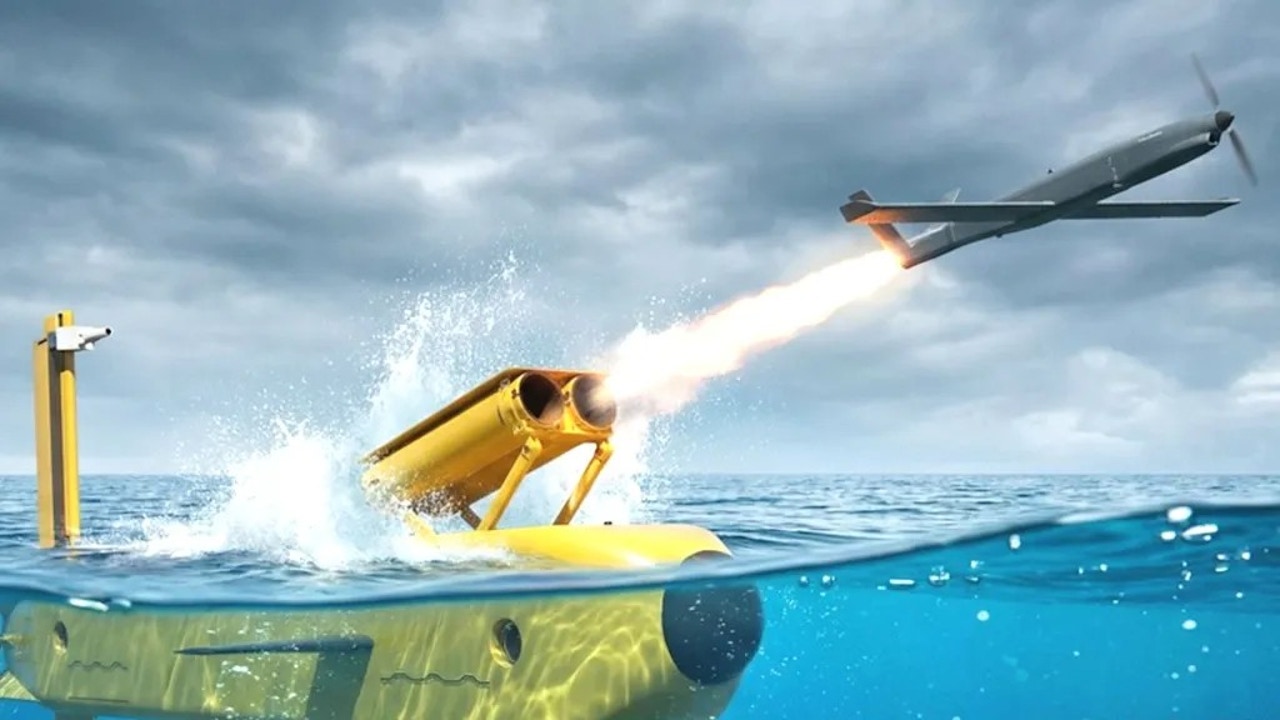
The American defense giant Lockheed Martin has presented a new type of naval drone that it proposes as a long-range solution for future US Navy operations. He Lamprey MMAUV (Multi-Mission Autonomous Undersea Vehicle) is a multipurpose vehicle capable of traveling to an area of operations without using its own momentum, adhering to the hull of allied ships or submarinessaving energy while traveling hundreds or thousands of kilometers.
As has already happened in the air and land domains, autonomous systems are becoming central to maritime strategy. In a context of vast areas such as the oceans and manned submarines that are expensive to operate and maintain, Naval drones offer persistent surveillance, distributed networks of sensors and new options for deterrence and combat.
However, autonomy and energy management remain major technical obstacles. Lamprey aims to answer this problem by combining autonomy with an unusual approach to energy use and deployment.
Lamprey imitates fish like remoraswhich adhere to larger ones, to save energy and gain protection. Employ a temporary attachment system to the helmetbased on suction cups or mechanical depending on the configuration, to attach to ships or submarines. While attached, with small turbines It generates electricity from the movement of the ship.
These turbines produce energy with the flow of water, so that the drone arrives close to its mission area with fully charged batteries. That stored energy powers its thrusters, computers, sensors and subsystems. A mast supports communications above and below the surface.
Once Lamprey undocks and begins operating, Its function depends on the chosen payload. Thanks to its open architecture, it can integrate a wide variety of mission modules without requiring major redesigns. Its internal bay offers 0.68 m³ (approx. 680 liters) of space, giving flexibility to adapt each unit to a specific task.
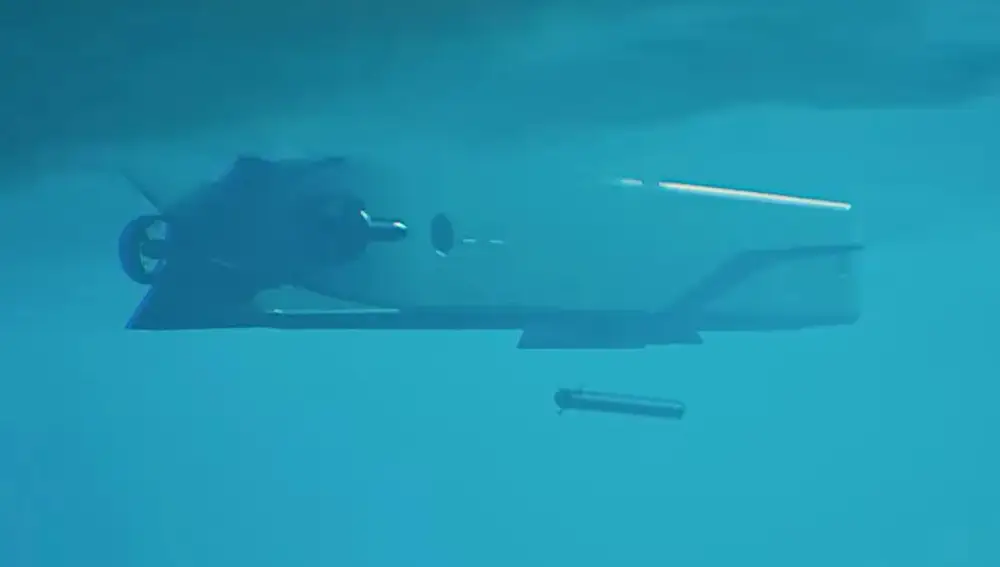
Possible charges include light anti-submarine torpedoes, electronic warfare equipment, acoustic lures designed to imitate other vessels and deployable sensor packages for intelligence gathering.
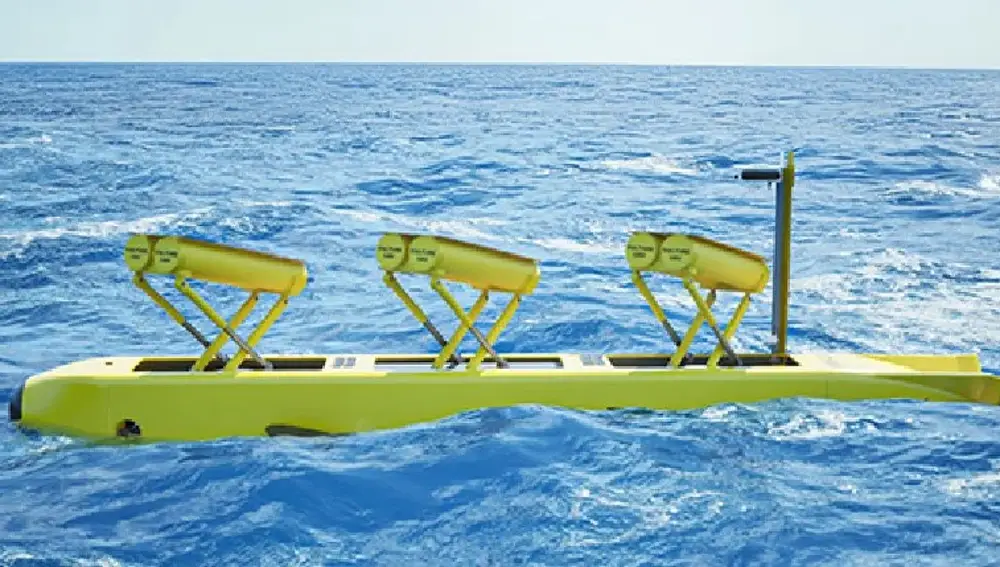
The naval drone can also be equipped with up to three retractable double-tube launchers for aerial dronesexpanding its reach above the surface.
One of Lamprey’s most advanced abilities is his ability to operate cooperatively with other vehicles. Multiple units can be deployed in an area and settle them on the seabed, where they remain unnoticed for long periods while they collect data. These vehicles can await instructions and then transmit the gathered intelligence, reposition themselves, or execute an attack if necessary.
Lockheed Martin notes that the drone has developed rapidly thanks to internal financingwhich has allowed engineers to progress without the delays common in acquisition processes. The company sees the system as a step toward fully autonomous, multi-mission underwater warfare.
‘Lamprey MMAUV was funded internally, which allowed us iterate at breakneck speed and deliver a true multi-mission weapon to the Navy that detects, interrupts, creates decoys and acts on its own. The modern battlefield demands platforms that hide, adapt and dominate‘, says Paul Lemmo, vice president and general manager of Sensors, Effectors & Mission Systems at Lockheed Martin, in a statement.