
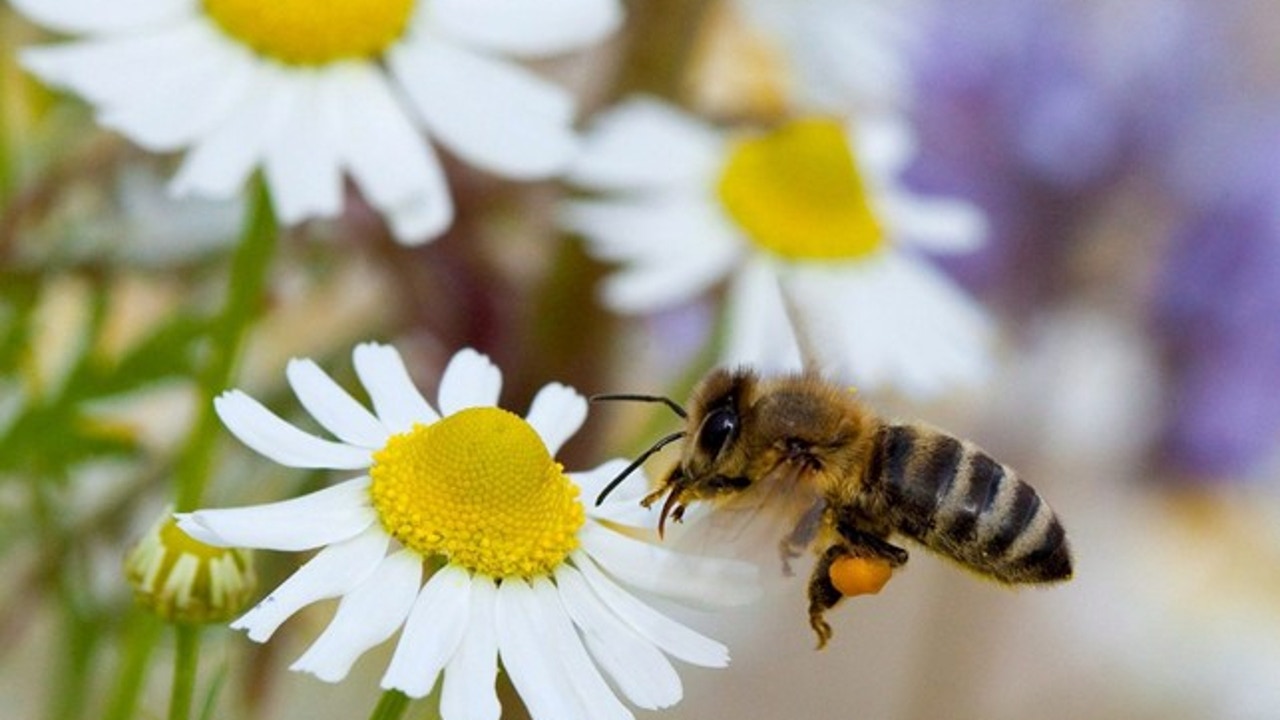
Bees and other pollinators, such as butterflies, bats and hummingbirds, are increasingly threatened by the effects of human activity. However, its activity is essential for the survival of ecosystems and for the production and reproduction of many crops and wild plants. Almost 90 percent of flower plants depend on pollination to reproduce and 75 percent of the world’s food crops depend to some extent on pollination.
To raise awareness about the importance of pollinators, the threats they face and their contribution to sustainable development, the United Nations declared in 2017, on May 20 as International Bee Day, in order to attract attention to the determining role they play in the biological chain and especially in the food chain.
The decline of bees
Despite their importance, pollinators, and more specifically bees, are increasingly threatened by the loss of habitats, not very sustainable agricultural practices, deforestation and pollution. All these factors, added to the alterations in the global climate and the biological threats that make them more susceptible to diseases, are accelerating their survival capacity.
Consequently and in accordance with the United Nations, it is crucial to protect and restore the natural habitats of bees, so is the implementation of more sustainable agricultural practices, together with the support of scientific research and monitoring of their populations to better understand the threats they face and be able to develop effective conservation strategies.
7 curiosities around bees
The bee dance
Bees communicate with each other through a very complex and sophisticated system, which includes vibrations and pheromones. Although the most famous is the so -called “bee dance”, in which they use a series of movements to inform their companions about the location of food sources such as flowers, water or new places to nest.
Sense of smell
Bees have an extremely acute sense of smell, which allows them to identify flowers and communicate with their hive.
food pantry
It is estimated that a third of the food we consume depends on the pollination of bees. Without the pollination they perform, many of the foods we consume daily would be scarce or non -existent
Types of bees
There are approximately 20,000 species of bees in the world. However, the best known are honey bees, which produce honey, and lonely bees, which do not live in colonies.
Ciudad-Colmena
Hives are very organized and hierarchical colonies. In a hive, there is a queen, hundreds of Zánganos and thousands of workers. Each type of bee has a specific role.
The Queen: It is the only reproductive bee of the hive and can put up to 2,000 eggs per day. The Zánganos: their function is to mate with the queen. Then, the Zánganos die. The workers: they perform all the tasks for the hive to work, including the collection of nectar and pollen, the construction of wax cells, the care of the larvae and the defense of the hive.
Honey production
To produce approximately 450 grams of honey, bees must visit around 2 million flowers and fly a distance equivalent to more than three laps around the world.
How to help bees
Each person can contribute to the protection and conservation of bees through small actions: plant flowers that provide nectar and pollen; avoid the use of pesticides and opt for more natural pest control methods; support local beekeeping and consume honey produced sustainably; Create friendly habitats for bees, such as wild gardens or insect hotels.