
In 2023, the world reached a new record of 473 gigawatts installed, representing a 36% increase from the previous year. As revealed by the Renewables Global Status Report 2024this advance, which is placed in a context of growing investments and international commitments to promote the ecological transition, was mainly driven by solar energy. However, this is not a milestone without challenges.
Solar, key energy
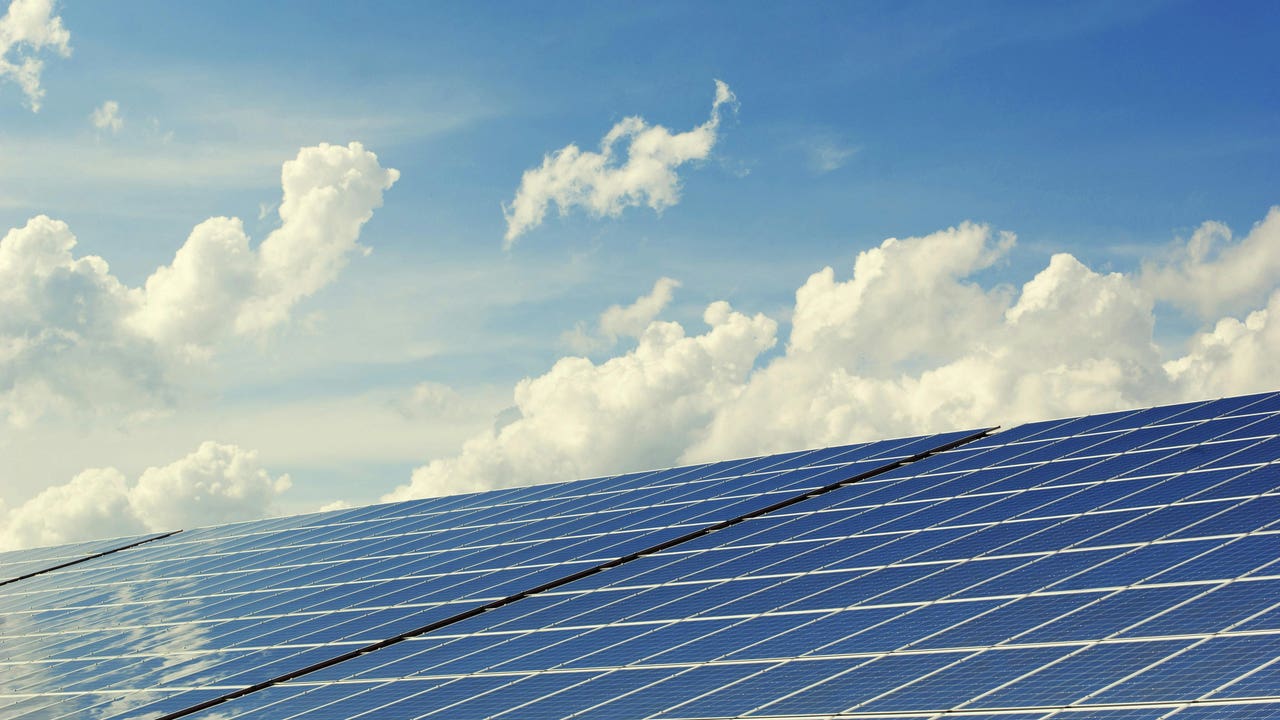
The main driver behind the increase in renewable energy capacity was the photovoltaic solar energywhich was reinforced in several countries such as Chinawhich added in a single year a number of solar capacity equivalent to the lump sum of 2022. Furthermore, the total installed solar energy capacity in The United States grew more than 50% until reaching almost 33 GW. In other technologies, however, the outlook was not so rosy. This is the case of wind power, which also in the US fell to its lowest level since 2014, which shows a clear stoppage in the development of this energy source.
In the European Union (EU), solar energy also experienced notable growth: from 41 GW in 2022 to 56 GW in 2023. Wind energy, however, remained stable with a slight increase that reached 17 GW.
At a global level, therefore, the figures underline the preponderant role of solar energy in the global energy transition, as well as the difficulties of other technologies, such as wind power, in maintaining or continuing to grow.
China’s role
In 2023, China maintained its dominance in the renewable energy sector. At the end of the year, the country was operating around 30 GW of offshore windwhich represented approximately half of the global capacity in this type of energy. On the other side of the coin, this report indicates that there was also a strong rise of fossil fuels in this same country. In fact, throughout 2023, the construction of 114 GW of new coal plants was approved, an increase of 10% compared to the previous year.
This contradiction reflects the challenges China faces to balance its enormous energy demand with its sustainability commitments.
Political and economic advances in the energy transition
The advancement of renewable energy in 2023 was not just a matter of technology. In the United Nations Climate Change Conference (COP28), held in Dubai, 130 countries they committed to triple renewable energy capacity and to double the annual rate of energy efficiency improvements by 2030.
In parallel, the industrial and commercial policies from some key countries played an important role in the development of the sector. In USAa law to reduce inflation boosted more than 250 clean energy manufacturing projects, while the European Union proposed reaching net emissions in industry and launched the first phase of the
the Net Zero Emissions Industry Act and launched the first phase of the Carbon Border Adjustment Mechanism (MAFC), an instrument to set “a fair price for the carbon emitted during the production of carbon-intensive goods entering the EU and encourage cleaner industrial production in non-EU countries.” These policies seek not only accelerate the adoption of clean energybut also reduce dependence on critical components from other countries.
Investment in renewables
Despite the different problems, Global investment in renewable energy grew by 8% in 2023reaching the 622.5 billion dollars, compared to 576 billion in 2022. This record underlines the growing interest in the sector, although it also highlights the tensions derived from the global economic situation. Although prices for fossil fuels such as gas and coal declined in the first half of the year, economic pressures persisted.
Furthermore, the geopolitics played a crucial role in the evolution of the energy sector in 2023. The conflicts in Europe and the Middle East They disrupted supply chains and international transportation, greatly impacting energy markets.
The year was also marked by extreme weather eventssuch as heat waves and very high temperatures, which signals the urgency of accelerate the transition towards cleaner and more sustainable energy.