
He aging population It is a reality that increases every year, which is why the development of tools that help people enjoy this stage with the best living conditions and autonomy for as long as possible is becoming more and more important.
Currently, in the Community of Madrid more than 268,000 people live alone at home, 22.3% of the total population aged 65 or over, which could reach 30% in the year 2030. The problem of loneliness affects old age mainly because it is a stage where the number of relationships personal life may decrease due to losses or situations of change, such as retirement or widowhood.
To address this problem, the Department of Family, Youth and Social Affairs of the Community of Madrid has launched the installation of new advanced telecare equipment for elderly or disabled people in a situation of dependency. This model will improve care with telematic monitoring of users in their daily lives and prevent and act in the event of any emergency without having to leave their home, 24 hours a day, 365 days a year.
The objective of advanced telecare is to improve the quality of life of the elderly, ensuring intervention when they have a personal, social or medical need; guaranteeing their security by mobilizing resources that meet their needs; and, above all, prolonging their stay in their homesdelaying their entry into residences or day centers for as long as possible.
This new telecare model will initially benefit 76,000 users who already receive this service in the Community of Madridalthough the figure is expected to increase to 100,000 people in the future. In total, the project will have an investment of 82.4 million euros and the distribution of 400,000 state-of-the-art devices.
Devices, both fixed and mobile, include advanced technologies such as geolocation and the ability to communicate from anywhere. Equipment includes smoke, gas and fall detectors, motion sensors, telephones with large keys and programmable drug dispensers. This last device is configured for 21 days and sends an alarm if the user forgets to take their medication, contributing to safety and correct administration of treatments.
The installation of these devices is adapted to the individual needs of each user through a personalized evaluation. Not all users need the same equipment, so a comprehensive diagnosis is first performed before assignment. In addition, the service includes periodic re-evaluations to adjust the devices based on the evolution of the users’ conditions.
A team of 450 people
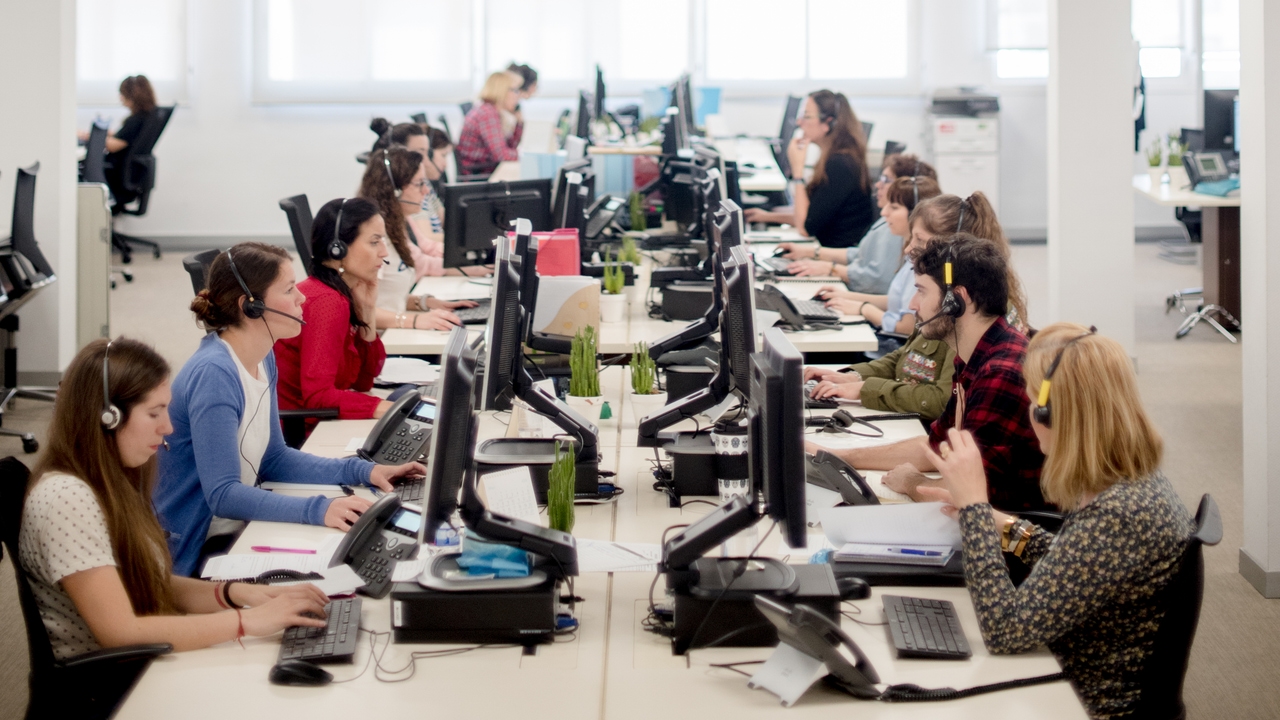
The General Directorate of Care for the Elderly and Dependency is in charge of managing this service, which will have a team of 450 professionals. This staff, made up of occupational therapists, physical therapists, nurses and psychologists, will provide assistance both remotely and in person in homes when necessary. The objective of this program is to offer individualized attention that responds to the particular circumstances of each user.
Ana Dávila, Minister of Family, Youth and Social Affairs of the Community of Madrid, points out that this service seeks to “adjust to the needs of each person”, thus providing “comprehensive care that goes beyond simple supervision.” The benefits of the service include “peace of mind and security that it brings to both the elderly and their families“, promoting staying at home, supporting personal autonomy and promoting healthy aging.”
In addition, the service includes a comprehensive approach that includes psychosocial counseling. Users may receive scheduled visits to address medical, social, nutritional or administrative concerns. In this way, support is facilitated in situations that require it, improving the quality of life of elderly and dependent people. For those with visual or hearing disabilities, specific devices have also been designed to adapt to their needs.
This advanced telecare system represents an important step in improving the well-being of the elderly and dependents in the Community of Madrid, a model that combines technology, personalized care and a comprehensive approach to guarantee that these people can live safely, healthily and with the greatest independence possible. .