
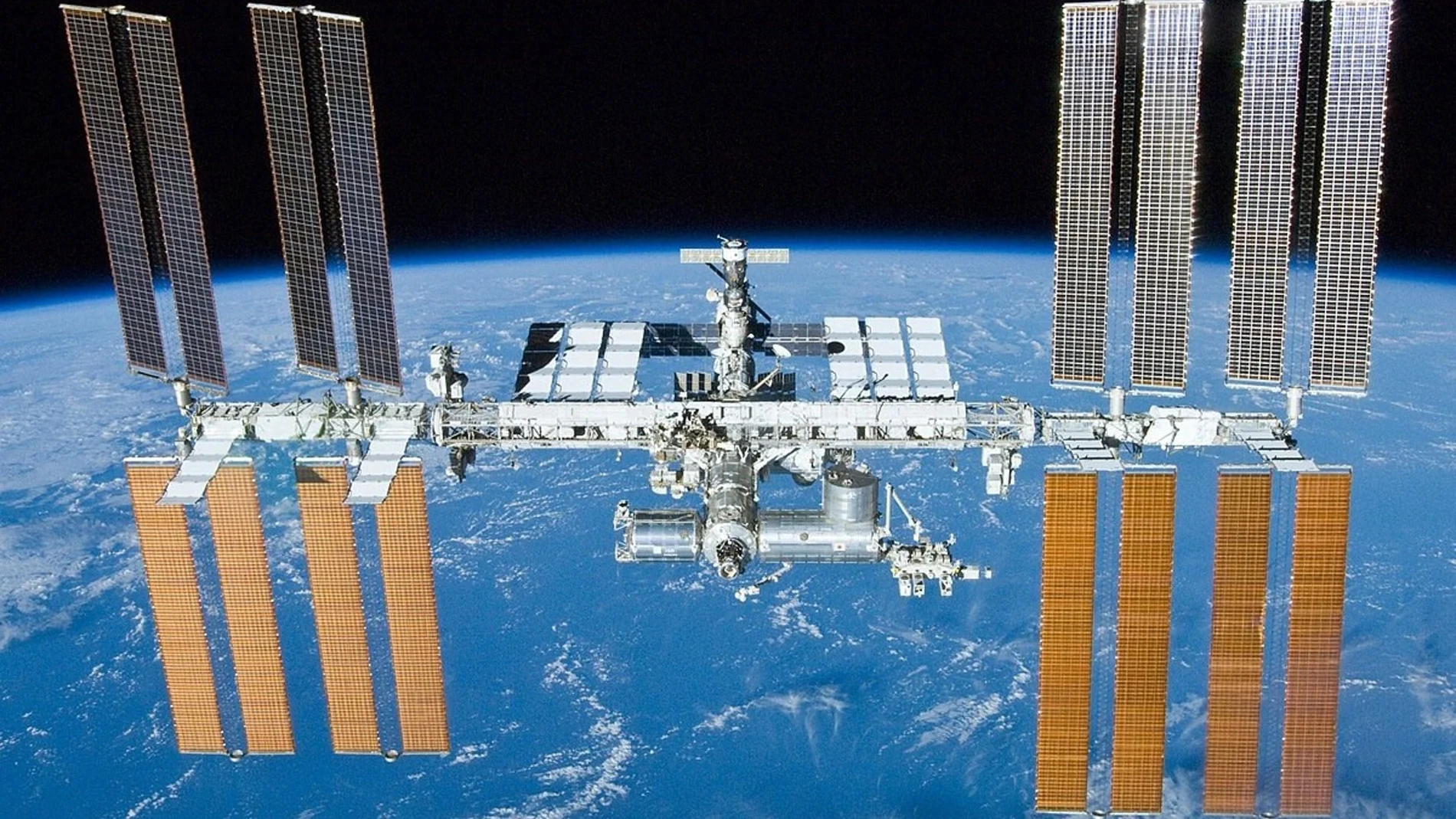
The current plans for the International Space Station (EEI), which began operating in 1998they foresee their deorbitation for the year 2030. This would not be the entire station, since Russia wants to preserve its segment of the ISS and reuse it in its future space station ROS. But all that could change, given that the United States Senate Committee on Commerce, Science and Transportation approved this Wednesday a bill authorizing the POT that would extend the useful life of the International Space Station to 2032.
The initiative comes from the Republican senator Ted Cruzwhich wants to speed up plans to build private space stations that will replace the ISS. Two months ago, a Cruz adviser said she was ‘pleading’ with NASA to release the document that kicks off the second round of a competition among private companies to develop replacements. After not having a response, the bill approved by the commission chaired by Cruz has been presented.
The regulations give a period of 60 days for NASA to publish the requirements for commercial space stations in low Earth orbit; 90 days to do the same with the ‘request for proposals’ final to receive responses from the industry and 180 days for enter into contracts with ‘two or more’ commercial suppliers for this type of stations.
The bill states that ‘the Administrator will not begin deorbiting the ISS until the date on which a commercial low-Earth orbit destination has achieved initial operational capability’.
Companies like Axiom Space, Blue Origin, Vast and Voyager are finalizing designs for alternatives to the ISS, but they need Greater clarity on requirements from NASA in aspects such as how long the agency wants its astronauts to remain on board, what types of scientific equipment are required and many others.
In theory, NASA expects one or more of these companies to operate a commercial space station in low-Earth orbit by 2030. Space policymakers, Cruz and other senators on the committee have expressed doubts about whether a replacement will be ready by 2030so the bill extends the useful life of the ISS two more years. But it is not just a matter for the space agency; This extension must be approved by the rest of the operators. These are Roscosmos (Russia), JAXA (Japan), ESA (Europe) and CSA/ASC (Canada).
With this legislation, the United States Senate makes it clear that it considers a permanent human presence in low Earth orbit a priority. This version of the authorization law It must still be approved by the full Senate and continue its processing in the House of Representatives.
Following approval in the Commerce Committee, Axiom Space said on social media that it welcomed the changes: ‘Axiom Space is proud to support the NASA Authorization Act of 2026. The bill is a clear indicator that President @SenTedCruz and the Senate Commerce Committee are determined to ensure the success of the entire human spaceflight enterprise‘.
Axiom Space is proud to support the @POT Authorization Act of 2026. The bill is a clear indicator that Chairman @SenTedCruz and the Senate Commerce Committee are determined to ensure the success of the entire human spaceflight enterprise including the @Space_Station transition… https://t.co/37T5LfJy9W
— Axiom Space (@Axiom_Space) March 4, 2026
The CEO of Vast, Max Haotsaid in an interview that his company also welcomes the new legislation, as well as the work of NASA administrator, Jared Isaacmanto better channel the lunar program Artemis towards success. Isaacman announced last week the restructuring of Artemis to accelerate the cadence of flights.
‘We are really impressed by what Jared has been able to do with the American space program and how he has aligned all parties involved. Regarding commercial space stations, we were happy to see the renewed commitment to the transition from the ISS to commercial alternatives‘, he pointed out.
Haot states that There should not be a fixed date to deorbit the International Space Stationbut should depend on the preparation of commercial suppliers. He is also confident that if NASA issues a request for proposals and awards contracts to private vendors this year, Vast will be ready to support a continued human presence in low Earth orbit by the end of 2030.