
Hours after the start of the attack USA and Israel against Iran this saturday, Tehran responded by attacking North American bases throughout the Gulfbeing that of United Arab Emirates one of the objectives. Its Ministry of Defense reported shortly after that it had successfully intercepted several Iranian ballistic missiles. However, the remains of one of them fell into Abu Dhabicausing the death of a civilian. The capital of the UAE is located near several strategic military installations, including the Al Dhafra Air Base which hosts Emirati and American forces.
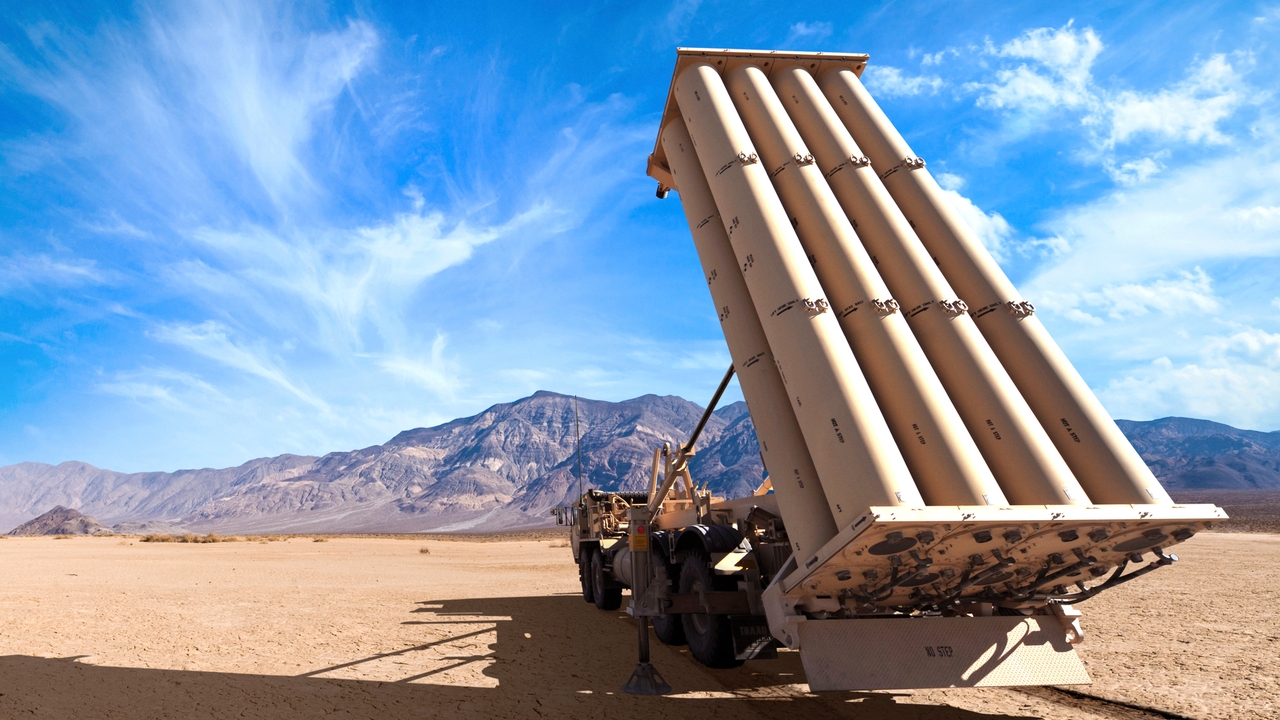
The missiles were stopped thanks to an air defense system designed specifically for ballistic missiles and that gives two opportunities to stop an incoming threat. The first, at high altitude, with the Terminal High Altitude Area Defense (THAAD) and the second, at a lower altitude, with the MIM-104 PatriotWired reports.
THAAD is an American system developed by Lockheed Martin and designed to shoot down ballistic missiles in the final stretch of his careerwhen they are already descending towards the objective but are still at a high altitude.
It differs from other anti-aircraft defenses in that it is of the type ‘hit-to-kill’. That is, here we do not seek to detonate near the target, but rather destroy it by direct hit of the interceptor while both fly at extreme speeds.
Some ballistic missiles reach 20,000 kilometers per hourwhich makes the time to detect, track and intercept them be just minutes. This leads to missile defense systems using multiple technologies that work together: early warning sensors to detect threats, radar networks to know where they are at all times, and interceptor missiles to destroy them.
After THAAD, the second opportunity to shoot down ballistic missiles in the UAE is offered by the system MIM-104 Patriotdesigned by Raytheon (today RTX) and Lockheed Martin to intercept aircraft and ballistic missiles at lower altitudes.
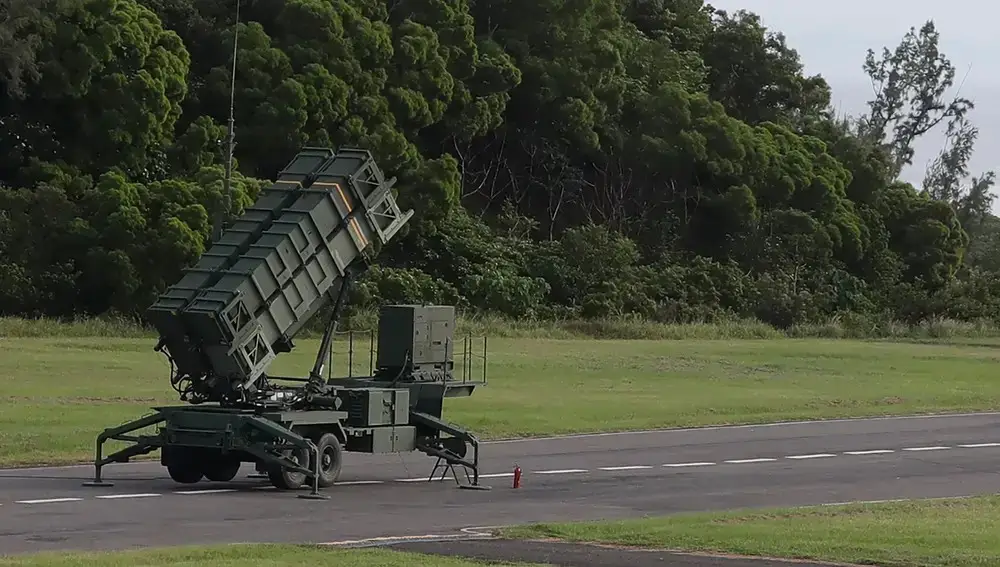
Together, THAAD and Patriot fit into a layered missile defense that allows attempt interception at more than one point on the trajectory (first at high altitude and, if necessary, again at a lower altitude) before the missile reaches the target.
The steps for an interception
In a typical interception everything happens in a few minutes. Sensors and radars detect the launch, calculate speed and trajectory, and send that data to the command and control systems. There it is decided whether the missile poses a threat to populated areas or critical infrastructure. and at what point should we try to bring it down.
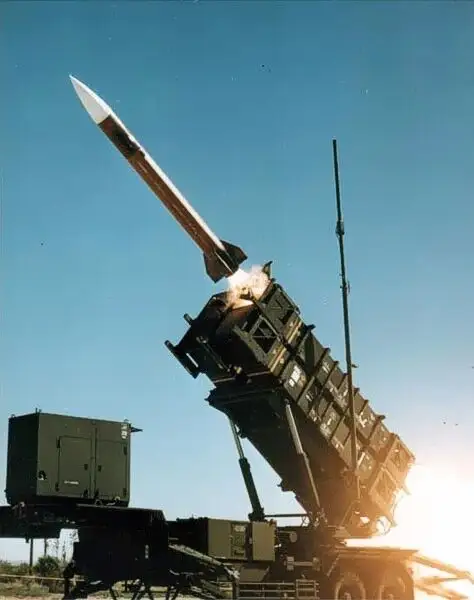
From there the defense layers are activated. First, high-altitude destruction is attempted with interceptors such as THAAD and, if that is not enough, lower-level systems such as Patriot are used. In the case of THAAD, one of the key radars is AN/TPY-2X-band, capable of track small, fast targets hundreds of kilometers away and feed the command centers with real-time data to launch the interceptor to the exact rendezvous point.
In any case, intercept a ballistic missile does not end the threat. Missile fragments can also cause damage, as happened this Saturday in Abu Dhabi. In the days since Saturday, Iran has continued to launch missiles against the UAE and other countries. This Monday, the Emirati Ministry of Defense reported victims and dozens of injuries after a new barrage of missiles and drones, although most were intercepted.