
This is the Toledo Emerge plan and the mayor of the city, Carlos Velázquez, defines it as “a very ambitious project, which aims to respond to different needs in the historic center of the city. Five buildings that will have a new life and whose rehabilitation and recovery will be a flagship project of the Toledo City Consortium, formed by the four administrations: Government of Spain, Board of Communities of Castilla-La Mancha, Provincial Council of Toledo and City Council of the city.”
Overall, Carlos Velázquez considers that “this project aims to respond to certain shortcomings in the area, such as parking for neighbors, housing and care for the elderly. Also the creation of a museum of the city and the province, which did not exist, and to cover the need for hotel rooms in the historic center and to highlight the gastronomy of the province that is booming, that we have great hoteliers and it is proven that generates quality tourism.
Of the five buildings, four are owned by the Provincial Council and three of the projects will be under public-private management. The first tenders are already being prepared, but the pace of execution of the project globally “since there are four administrations in the Consortium, some steps will go faster and others a little slower. But, in three or four years it can be a reality.
The buildings that will be rehabilitated and recovered to be used again are the Abdón de Paz palace, Alamillos del Tránsito, San Juan de Dios, San Ildefonso and the former headquarters of Radio Nacional de España. All of them are located in the heart of the city, they have been widely used in the past, but they have not been used for many years, dozens even.
Museum, homes, hotel, gastronomic center, day center for seniors and a new plaza
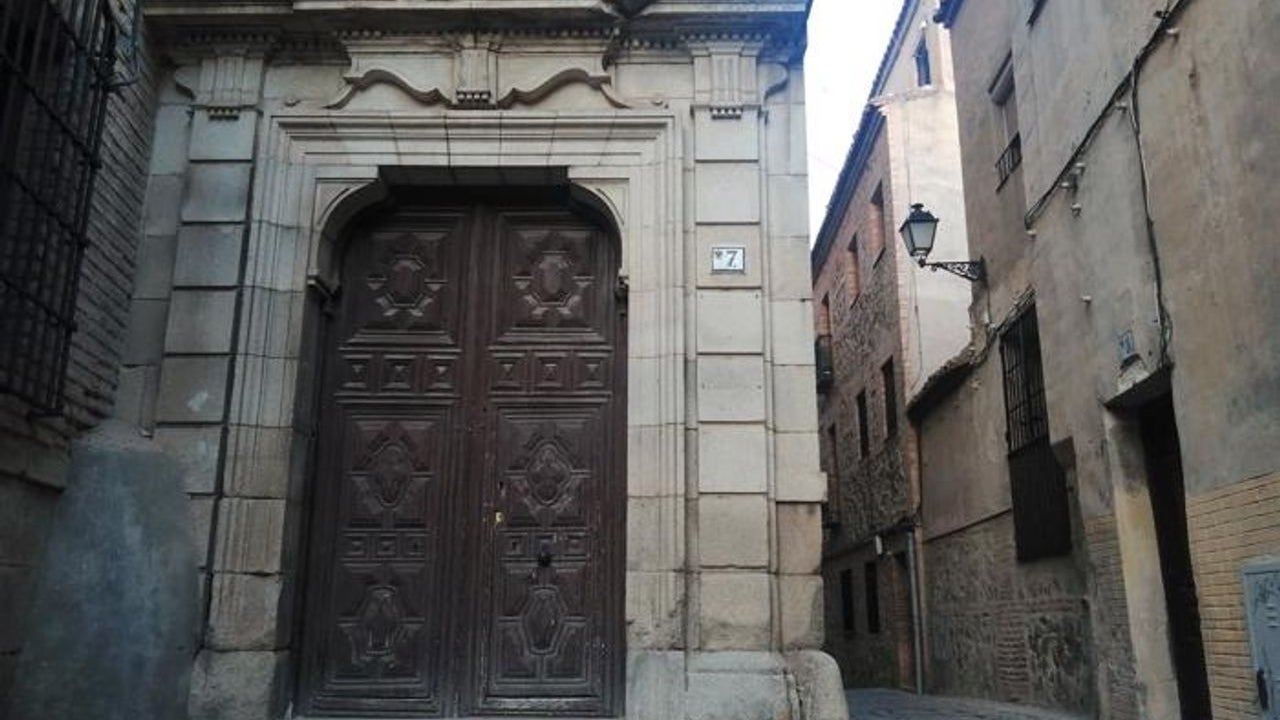
The first of them, the Abdón de la Paz palace, “the most important baroque building in Toledo,” highlights the mayor, has not been used for 20 years and was the female university residence of the Toledo Provincial Council. Now it will be the headquarters of the future Museum of Toledo, “a new museum space at the service of the culture of our province and our city. It will house permanent collections of Toledo artists along with temporary exhibitions, it will be able to host events, activities for schools and institutes in the province, it will have an auditorium, etc.
Alamillos del Tránsito, a building that has been a public school, a bus parking lot and even a carpentry shop, will undergo “comprehensive rehabilitation, with great social impact, which will allow the construction of six new homes, a parking lot with seventy spaces and the creation of a new public space as a place for recreation and meeting,” explains Velázquez, and that will allow “revitalizing the area and offering new housing and parking resources for neighbors and visitors.”
As for San Juan de Dios, from the 16th century and located in the heart of the Jewish quarter, the plan is for it to be a hotel and have spaces dedicated to provincial crafts and an exhibition hall. It will be carried out through a public-private collaboration. In this specific case, furthermore, the project “includes demolishing a wall that gives access to a patio of this old convent to expand the Barrio Nuevo square and create a new communication axis that will facilitate the passage of pedestrians. Because, given its location between two synagogues, the most important in Spain such as Tránsito and Santa María la Blanca, it is one of the areas that attracts the most tourists.
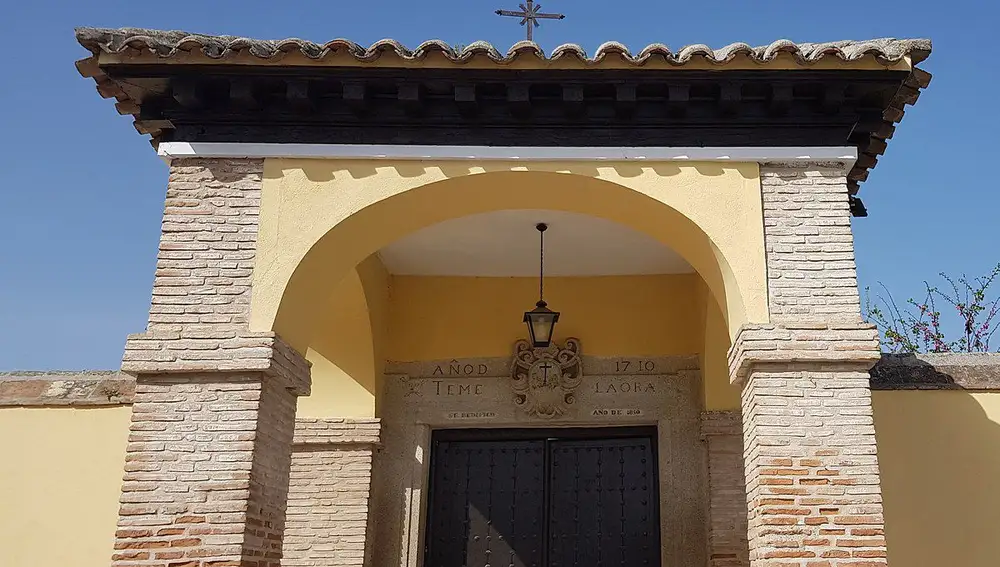
For the San Ildefonso building, or Cemetery of the Nuns, the idea is to “create a Gastronomic Center of the Province of Toledo, linked to a model of restoration and leisure closely linked to the environment, with a project that combines the sustainable development of agriculture and the consumption of local products”, specifies Carlos Velázquez.
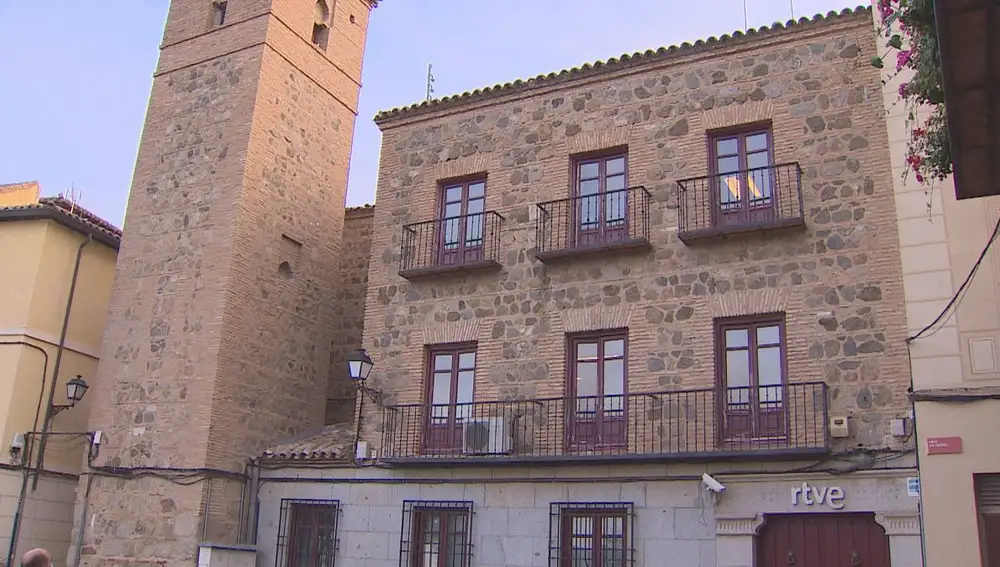
What was the headquarters of Radio Nacional de España will be a day center for seniors, “which will respond to a need for a facility of these characteristics that has been claimed for years.”
Pioneering energy community
In addition to the recovery and transformation of the buildings, these buildings “that are going to be rehabilitated will be supplied with clean energy generated in an energy community, of which the city council is a part, and which is already taking its first steps. Thus, Toledo will be the first World Heritage City to have this type of initiative.
Although, obviously, historical buildings will not be able to support the installation, the city council does plan to provide roofs for municipal buildings selected from those that meet the necessary requirements.