
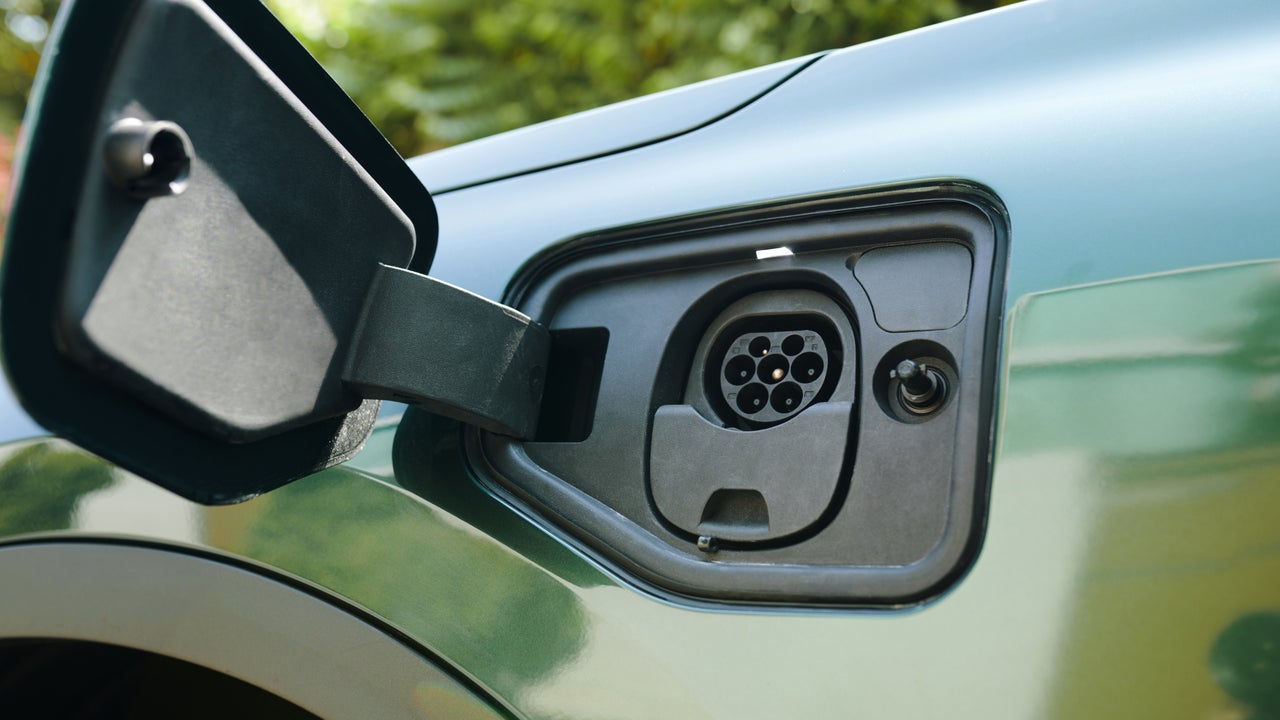
In recent years, the plug-in hybrid vehicle has been presented as the simplest option for those who wanted to reduce emissions without changing too much the way they use their vehicle. On paper, it allows you to continue enjoying the advantages of using a combustion engine, but adds the possibility of driving electric on certain routes. This combination has been attractive to many users and explains, in part, its strong growth in Spain.
However, the problem appears when this technology stops being understood as a transitional solution and begins to be perceived as a definitive solution. Real experience shows that a plug-in hybrid only significantly reduces emissions if it is recharged frequently between short trips, which is when electric mode is used. When this does not happen, its consumption and emissions are far from the approved figures, exceeding those of its equivalent combustion vehicle.
This gap between theory and practice is not a matter of opinion, it is a real limitation. For this reason, in recent years, the European Commission has reviewed the emission calculation methods for plug-in hybrids and has progressively tightened its approval criteria. The new emissions regulations, including the latest updates to the Euro 6 framework and the development of Euro 7, start from a clear premise, which is that it is not enough that a vehicle can be plugged in, it matters how it is used in real life. Meanwhile, public debate often continues to focus on the fear of making the leap to pure electric vehicles. Autonomy, infrastructure, fires or charging habits repeatedly appear as brakes on change, despite the fact that reality has proven to be very different from what is often perceived. A tangible reality for any new electric vehicle user after their first week behind the wheel.
In Spain, the public charging network is growing steadily and is increasingly extending to everyday spaces such as supermarkets, shopping centres, urban car parks or work centres, where charging the car is part of the daily routine. In parallel, the European regulatory framework is advancing in an unequivocal direction. Regulation (EU) 2019/631 establishes the objective of drastically reducing transport emissions and marks 2035 as the horizon for the end of the sale of passenger cars with direct CO₂ emissions. Beyond the political debates about deadlines or exceptions, the underlying message is clear: the mobility of the future will be electric and based on renewable energy. The best thing we can do as a country is adapt and look for the potential within our particular context, which is very high.
From an economic and strategic perspective, continuing to rely mostly on intermediate technologies has a cost. The plug-in hybrid maintains dependence on imported fossil fuels and forces investment in double technology, electrical and thermal, which makes vehicles and their maintenance more expensive.
At the same time, it supports a local industry that will decrease its demand worldwide in the coming decades. On the other hand, the electric vehicle allows the entire value chain, from energy generation to consumption in transport and mobility, to be developed within the country, taking advantage of Spain’s enormous renewable potential and reducing exposure to the volatility of international energy markets.
The transition towards electric mobility cannot be built on half-way solutions indefinitely. It is acceptable that supporting technologies exist in an initial phase, but extending them beyond their transitory function delays the consolidation of a more efficient, competitive and coherent model with climate and energy objectives. Today we are no longer facing a problem of technical feasibility, but rather a lack of clarity and leadership.
Moving towards the pure electric vehicle requires accompanying the user with information, infrastructure and agile regulatory frameworks, but also being honest about the final destination. The electrification of transportation is not a distant promise, it is an ongoing reality. And the sooner we stop settling for half-solutions, the sooner we can take advantage of its full economic, energy and environmental potential.
David Vallespín is co-CEO of Eranovum