
The geopolitical context and the growing concerns about climate change have led the European Union to reconsider its energy strategy. The invasion of Ukraine by Russia in 2022 and the consequent energy crisis showed the vulnerability of Europe due to its dependence on Russian gas and oil.
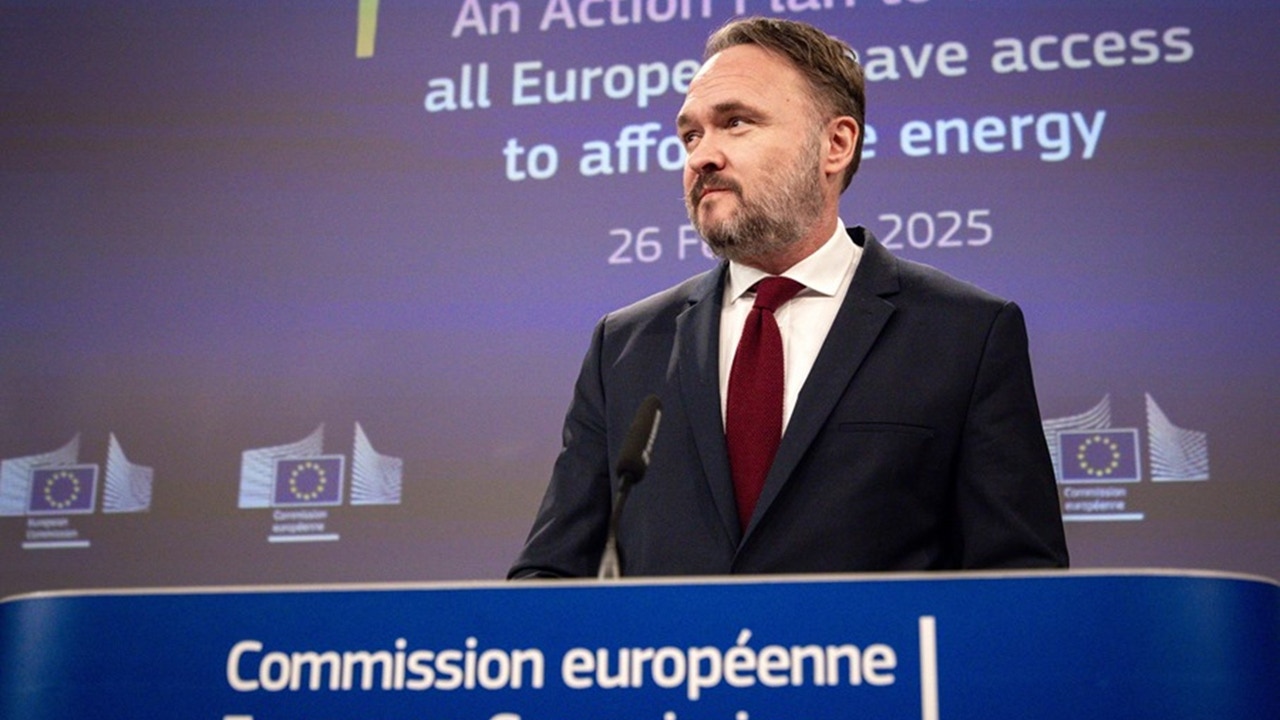
“The current challenges demand bold and ambitious actions to reduce energy prices and safeguard our safety. The response to these challenges lies in a cleaner, cheaper, efficient and connected energy union. This is the reason why we are not going to step back in the ecological transition. We will take a step forward, with determination and urgency.” Thus, the Commissioner of Energy, the Danish Dan Jørgensen, in the presentation of the European Commission Plan to reduce energy prices.
The Action Plan for Energy AsequoiLible –key component of Pact for a clean industry– Collect a series of initiatives and recommendations To reduce prices, facilitate competition, attract investments and be better prepared for possible energy crises and create a single energy market, in which the development of transport infrastructure (gas pipelines, hydroots, high voltage networks) has a central role.
This plan is also based on the bases of the Repoweru Plan, born to reduce that energy dependence on the continent particularly imported fossil fuels, and accelerate the transition to clean and renewable energy sources, the decarbonization of the industry and the investment in the value chain for the zero net emissions industry.
Reduce energy costs
Fundamentally, the Commission proposes measures to address the structural challenges that are increasing energy costs in the Union, in particular the European dependence on imported fossil fuels, as well as the lack of full integration of the electrical system.
«We are lowering energy prices and increasing competitiveness. We have already significantly reduced energy prices by redoubled efforts on renewable energy. Now we go one step further with the action plan for affordable energy. Thanks to him, we will build a true union of energy »said the president von der Leyen.
Check the energy bill
In order for electricity to be more affordable, the Commission will propose measures for the three elements that make up the energy invoice: the network and system costs, taxes and encumbrances and supply costs. With regard to gas, prices are too high and affect the competitiveness of the European industry.
In addition to supporting the introduction of -more and faster. Renewable energies, mechanisms that benefit consumers who adopt energy efficiency solutions, with a guarantee system – to develop in cooperation with the European Investment Bank – that help reduce the risk of investments in energy efficiency services and that facilitate access to more efficient appliances and products and with longer useful lives are introduced.
The Commission considers that, more integrated, efficient and decarbonized energy markets are the best protection against pricing volatility, hence the importance of completing the union of European energy, with more interconnectors, a more robust network and cross -border trade, and will launch a set of initiatives to boost the electrification and decarbonization of the sectors of the heating and refrigeration The digitalization of the energy system, among others.
This plan also addresses the security of the supply, as a fundamental element to guarantee the stability of prices. The Commission will update the EU energy security framework to address emerging threats such as cyber attacks, critical infrastructure sabotage and risks derived from import dependence. It will also reinforce the preparation against possible pricing crises, issuing guidelines for member states on how to reward consumers for reducing consumption at peak hours and controlling their energy invoices.
Naturgy accelerates its transition to clean energy
In his commitment to energy transition and decarbonization, at the end of 2024, Naturgy announced that he had signed a loan of 1,000 million euros with the European Investment Bank, aimed at investment in new photovoltaic solar energy plants and terrestrial wind.
The investment associated with the project will increase the capacity of renewable energy generation in Spain In 2.3 GW, so that when all these plants are underway, they will produce the “green” energy equivalent to approximate average consumption of more than 1,150,000 homes for a year.
In addition to increasing renewable energy production, “they will be created”thousands of jobs In what has been called emptied Spain, which will result in a greater territorial cohesion in our country. ”Naturgy estimates that all renewable projects that are going to be carried out with the loan generate about 4,200 jobs during the investment execution phase.