
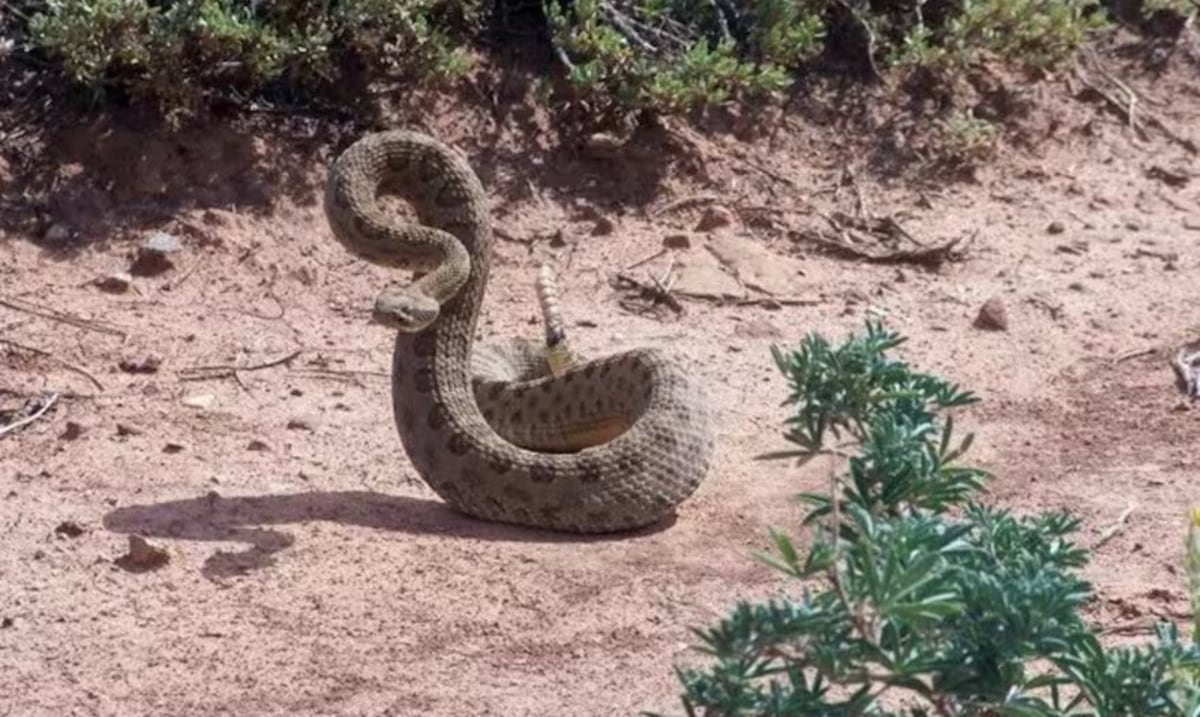
Arizona house 13 different species of drumbowland its presence in urban and rural environments responds to a combination of environmental and human factors. Scientific and official reports confirm that meetings are concentrated mainly during the warm months.
What does it mean that the bells approach the houses?
An analysis of the University of Arizona (UA) examined 3,808 cases reported to Arizona Poison and Drug Information Center Between 1999 and 2023. 38% of the meetings occurred near Casas. The explanation they give in the report is that reptiles look for water, shade and food such as rodents or insects in inhabited environments.
The Trutech Wildlife Service company adds that snakes can also enter by accident, follow a trace of dams or when looking for refuge against extreme temperatures. Once close to the constructions, they find accesses through cracks in the foundations, openings on walls and ceilings, pipes, drains, slits under doors or even pet doors.
Inside, they are usually installed in basements, garages, attic or bathrooms, where they find darkness, silence and, many times, mice pests or cockroaches that serve as food. According to Trutech, if there are moved skins in the house, it is a sign that the snake may have lived there long.
In what months and schedules are there more risk of meetings with these snakes in Arizona?
He Arizona Hunting and Fishing Department (AZGFD) He said that the bells are active from March to October, with a peak in April, when they leave hibernation. During spring they can be seen during the day, but since May, with the increase in temperatures, its activity is concentrated at night.
The UA academic study agrees that the meetings occur mostly between 16 and 22 hours.
What species are observed most frequently?
Of the 13 species present in the southern state, the most reported are the Western Diamondback Rattlesnake, Sidewinder, Mojave Rattlesnake-one of the most dangerous in North America for the power of its poison-and Black-Tailed Rattlesnaake, according to Thomas Jones, coordinator of the Azgfd and reptile program coordinator. “Arizona has more rattle species than any other state, and that biodiversity is unique,” he said.
¿How does the venom of the Cascabel Mojave snake between Arizona and California varnish?
In the case of the Mojave rattlesnake (Crotalus scutulatus), the effects of the bite depend on the region where the animal lives. He North American Snake Bite Registry (NASBR) analyzed 20 cases between 2015 and 2021: nine in Arizona and 11 in California.
The data showed that in Arizona neurotoxicity was not recorded, while in California neurological symptoms such as parstesthesia and fasciculations appeared, although without causing muscle weakness or respiratory insufficiency.
The difference is due to the type of poison. In California There are populations with mojave toxin, a neurotoxic phospholipase that affects nerve transmission. In large part of Arizona, specimens predominate without that toxin, which causes local and systemic paintings (pain, swelling, hypotension, gastrointestinal symptoms), but without severe neurological compromise.
In all cases studied, patients received antivenene and most remained between 24 and 48 hours hospitalized. The NASBR registration, administered by the American College of Medical Toxicology (ACMT), highlights that these geographical differences must be taken into account for the diagnosis and treatment of bites.
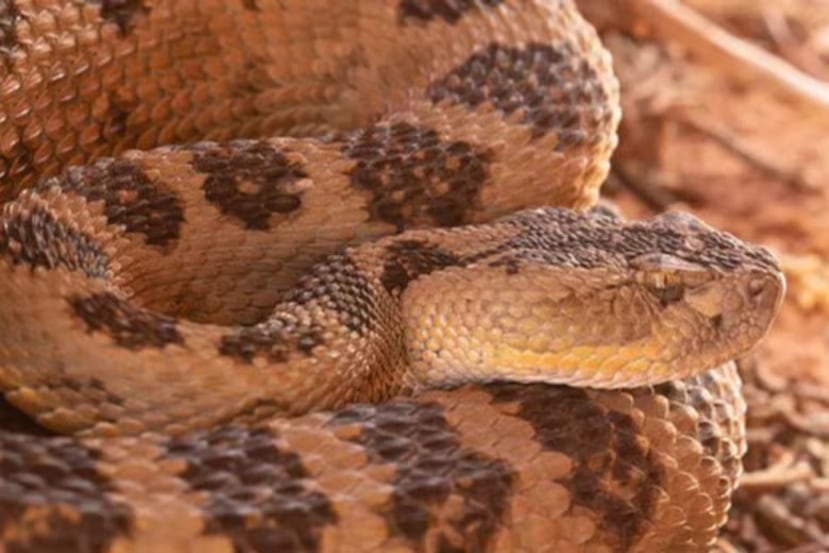
Who are the most vulnerable to meetings with rattles?
The study of the University of Arizona showed that 69.9% of the cases involved men. Children up to 12 years in rural areas registered more incidents in spring and at sunset than other age groups. In most cases, bites affected the lower limbs.
How to act and what to avoid in front of a rattlesnake?
AZGFD advises to maintain clear courtyards, reduce object accumulation and avoid outdoor water sources. It also recommends using flashlight on warm nights and not provoking the animal. “Although accidents occur, snakes are not usually dangerous unless it is bother,” Jones explained.
In case of bite, specialists recommend calling Emergency system 9-1-1 Immediately, keep calm and immobilize the affected limb. It should be avoided applying ice, using tourniquetes, making cuts or trying home remedies.