
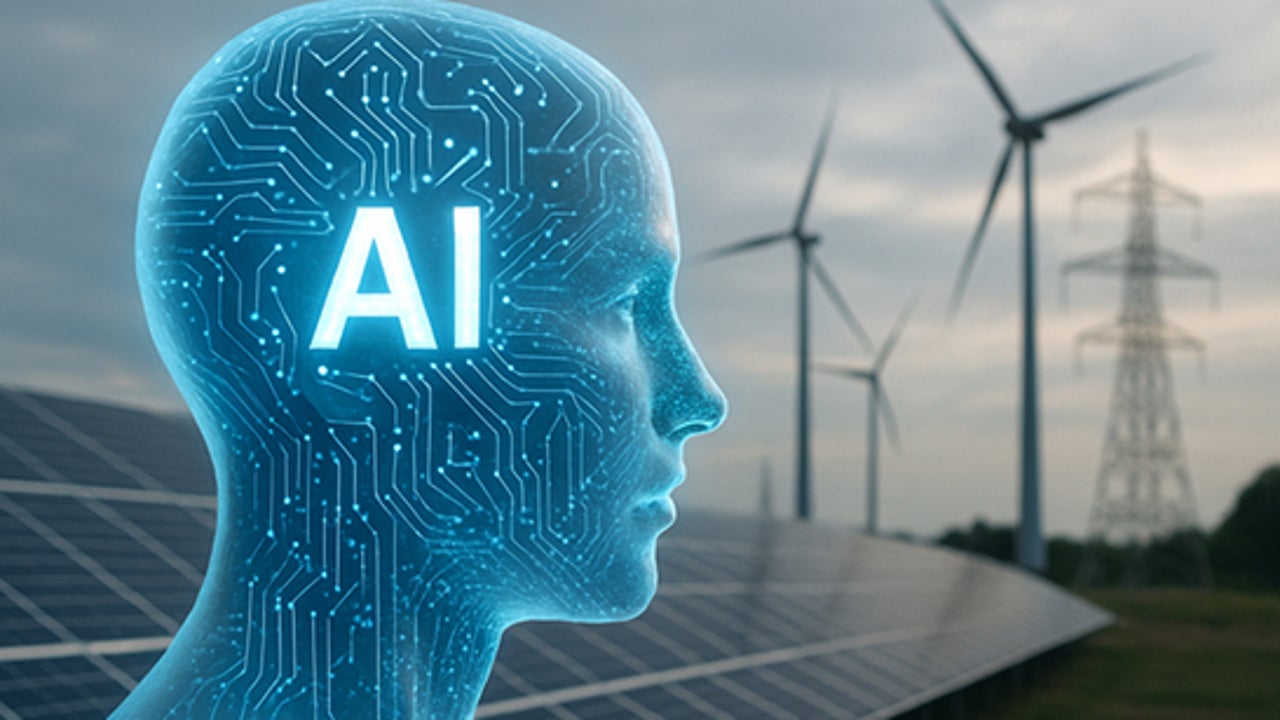
Artificial intelligence (AI) has positioned itself, in a short space of time, as a strategic tool to promote business innovation, especially in sectors as relevant as energy. Its ability to optimize processes, anticipate decisions and personalize services is redefining the operating model of companies. This is the case of the energy company Naturgy, a pioneer in the use of artificial intelligence to advance on the path of energy transition and in the transformation of the relationship it maintains with its customers.
In the opinion of Marcel Rubio, head of Analytics and Artificial Intelligence at Naturgy’s Corporate Data Office, “artificial intelligence has ceased to be an expectation and has become a reality that revolutionizes the way companies operate.”
Recent studies, such as those by the consulting firm McKinsey, reveal that eight out of ten companies have already integrated AI into some of their processes, mainly to automate repetitive tasks, analyze large volumes of data or improve interaction with customers. However, many of these implementations remain superficial, limited to auxiliary functions such as text generation or information synthesis.
The true potential of AI, explains Rubio, will be achieved when it becomes an essential part of the operational core of organizations. Hence, at Naturgy they are already working to make AI not just a complement, but a key piece in decision-making and process redesign, also promoting a cultural change that encourages collaboration between multidisciplinary teams. “AI has a disruptive potential that, if well exploited, can transform business models and generate sustainable competitive advantages,” he says.
More sustainable energy model
According to experts, AI represents a fundamental tool to overcome the challenges of the energy sector, especially in the context of the transition towards cleaner and decarbonized models. Thanks to advanced data analysis, it allows you to anticipate consumption behaviors, optimize energy planning and reduce emissions. Its application in process automation and intelligent infrastructure management provides agility and the ability to adapt in an increasingly interconnected environment.
As Rubio details, at Naturgy AI is used to improve operational efficiency throughout the value chain, from generation to distribution and consumption. In addition, it is transforming the relationship with the customer, facilitating more personalized and proactive attention. “AI not only improves the sustainability of the energy model, but also makes it more resilient and people-centered,” he maintains.
In addition, AI adds value on several fronts within the energy sector, this is the case of operational efficiency, with predictive and prescriptive maintenance technologies that anticipate failures and optimize resources and the management of distribution networks, where intelligent sensors monitor the state of the infrastructure in real time. Also, the analysis of consumption patterns allows for more precise and adaptable energy demand management, adjusting supply to real needs and reducing waste.
That is why for the energy manager it is important to promote a data culture in organizations: “Technology alone does not transform; people who know how to apply it strategically do.” Hence the importance of “investing in training and talent to face the challenges of AI,” he emphasizes.
Innovative projects
Naturgy is currently developing various projects that illustrate the integration of AI in its innovation strategy. This is the case of the TAIS program, which combines advanced analytics and generative AI to automate field maintenance tasks, such as image validation and optimization of electrical profiles, obtaining significant improvements in efficiency and safety.
The DALI project also stands out, focused on modernizing the inspection of power lines using drones and artificial intelligence, reducing risks and improving the reliability of the service. In the field of customer service, the company has been a pioneer in the integration of AI in telephone calls, improving the user experience and optimizing response times. Likewise, the Modern Finance program seeks to redesign and simplify processes in the economic-financial area through intelligent automation, facilitating more agile and data-based decision making.
Looking ahead, Rubio foresees a profound and transformative evolution of AI in the energy sector. In his opinion, in the short term, generative AI will be consolidated in high-value processes, while in the medium and long term a new paradigm will emerge based on platforms of intelligent agents capable of making autonomous decisions. The integration of these agents will require robust infrastructures and teams prepared to guarantee interoperability and reliability.
For Marcel Rubio, “Naturgy is already preparing its systems and talent for this technological leap. AI will be the transformative agent that will allow us to move towards a cleaner, more flexible and user-centered energy model. It will do so not only as a tool, but as an integral part of our way of operating and relating to the environment,” concludes Rubio.