
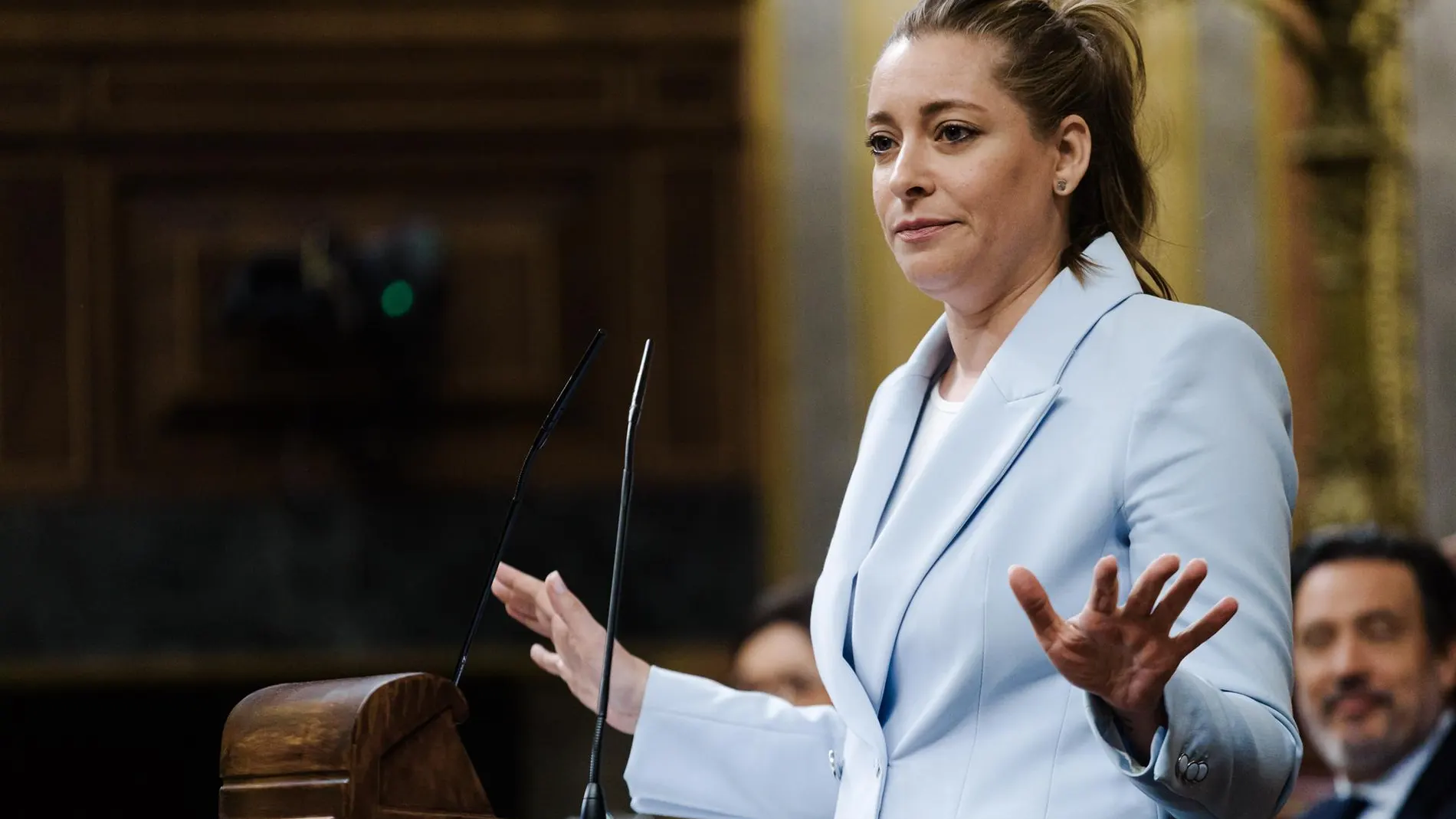
Ester Muñoz, spokesman for the Popular Party political party in the Congress of Deputies, has addressed the future of pensions in an interview in Quorum Podcast. Asked if she believes she will be able to collect a benefit when she retires, the PP leader has expressed her confidence in the reforms that an Executive led by Alberto Núñez Feijóo.
“If we have a government led by President Feijóo that makes the necessary reforms, surely yes”has responded. The conversation starts from a concern that the interviewer raises about those who still have years of working life ahead of them. Muñoz acknowledges that she also wonders what her retirement will be like.
After this first political exchange, the leader develops her position on the problems she considers necessary to face. His explanation focuses on the evolution of the population, the incorporation of new pensioners and the salaries of workers that contribute to financing the system.
Demographic change and the retirement of the baby boom
Muñoz maintains that the system must adapt to a population structure different from that for which it was designed. During his speech he uses his hands to represent this change in the demographic pyramid and signals the retirement of the baby boom generationamong whose members he places his parents.
In his analysis, the incorporation of this generation represents a challenge both due to the number of people who begin to collect a benefit and the amount of their pensions. The leader relates this evolution to the capacity of current jobs to sustain spending.
His diagnosis regarding the continuity of the model without changes is severe. “The system, as it is at the moment, is going to collapse”he states. This is his assessment of the future of the system, with which he defends the need to undertake reforms.
Salaries, at the center of their argument
The popular leader also focuses on the quality of employment. In his opinion, precariousness and low salaries make it difficult to finance pensions. At this point he contrasts certain hospitality and service jobs with industrial jobs that, as he explains, traditionally offered better remuneration.
“It is evident that there is a problem in this country and that it must be faced”he maintains. Muñoz asks to address this debate “with courage and telling the truth to the people.” In the fragment, its reference to the reforms is not accompanied by specific measures on the retirement age, the calculation of benefits or contributions.
His refusal to confront young people and pensioners
At the end of his response, Muñoz makes clear his defense of the continuity of pensions. “Does there have to be a pension? Of course”he points out, before introducing a nuance about how the discussion should be approached.
The leader rejects that the difficulties of the system become a confrontation between those who are already retired and those who continue working. “I do not want to contribute to a debate that, in my opinion, is very demagogic, a clash of generations. It seems unfair to me”he concludes.