
By Esther Morillas,
Vice President of Public Affairs, Communication and Sustainability of Coca-Cola Europacific Partners Iberia
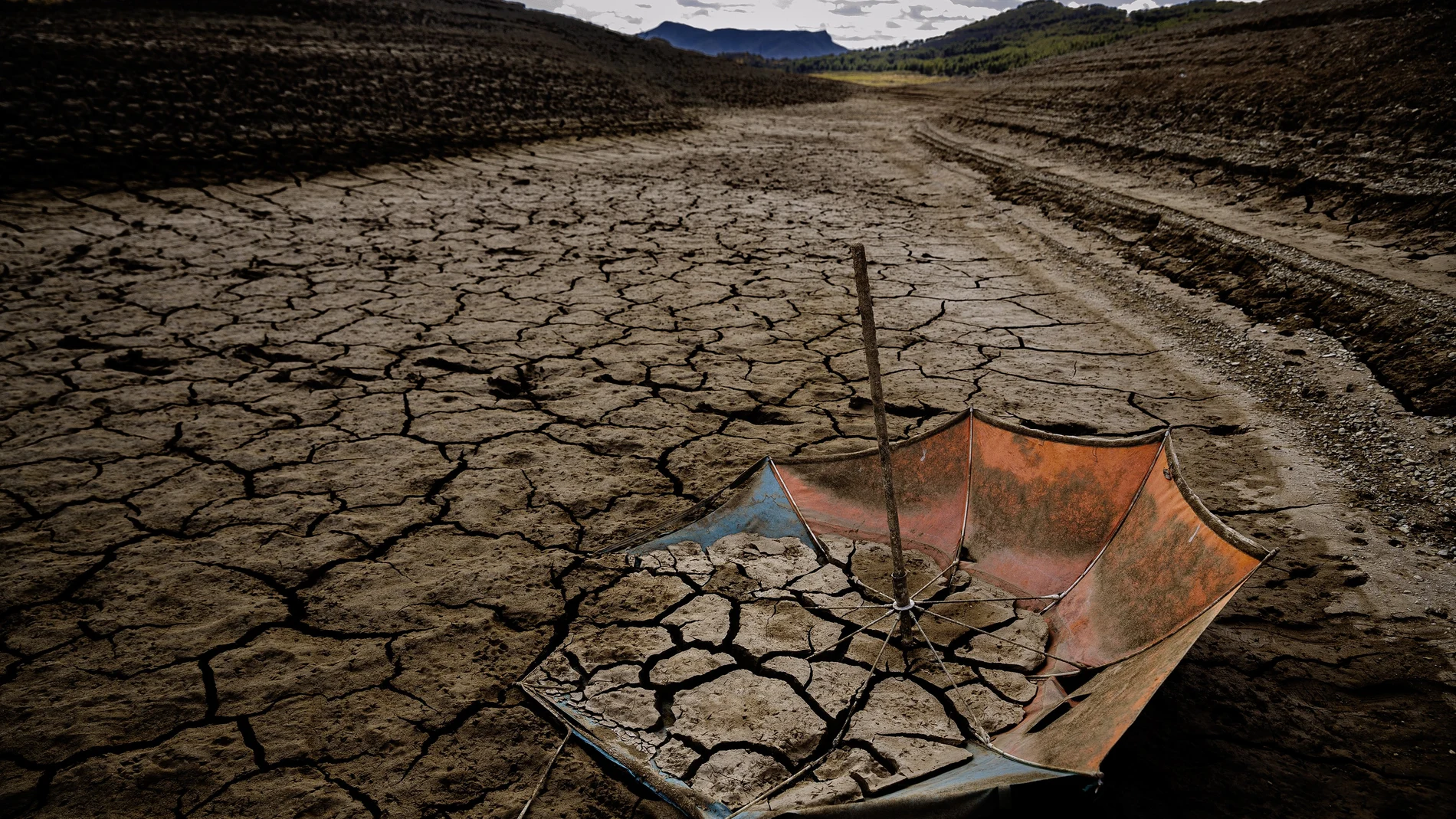
The climatic evolution of our country requires a look that goes beyond the current situation and the latest meteorological phenomena. According to a recent article published by a group of Spanish scientists in the International Journal of Climatology, since 1961, a significant part of the Spanish territory has evolved towards more arid climatic conditions. A process that, according to experts, will intensify in the coming decades regardless of whether we experience episodes of intense rain like the recent ones.
Spain thus faces a scenario of structural water stress that goes far beyond specific episodes. In this context, water has ceased to be a technical or conjunctural issue and has become a critical factor for the economic and social stability of the territories and communities, as well as for the industry that operates in those same territories and which, in turn, generates employment, wealth and a fixed population. When water is scarce or degraded, the productive fabric suffers, basic services are strained and an essential resource that we share is put at risk.
It is in this framework where the concept of water resilience becomes especially relevant. Far from being a theoretical idea, water resilience becomes a risk management discipline that measures an organization’s ability to anticipate, resist, adapt and recover from water-related impacts – increasing aridity, structural drought or extreme weather events – that can affect both its activity and the environment in which it operates. Building that resilience is not achieved solely with internal efficiency or regulatory compliance; requires integrating water management into strategic planning. Always with a long-term vision that combines technical rigor, collaboration and a tangible commitment to local water security and the well-being of communities.
How is this water resilience built in practice? Mainly, combining rigorous internal management and collective action in the territory. On the internal side, companies must start by knowing how much water they use, where and with what associated risks. From the data, technical solutions come: invest in more efficient equipment, reduce all water that does not add value, reuse internal flows (for example, recirculating water from certain processes) or treat 100% of the wastewater to return it in good condition to the environment. This water efficiency and circular economy approach not only reduces dependency, but generates savings and protects against supply outages. Along with this, resilience requires scenario planning and having continuity plans that take into account prolonged droughts or other unforeseen events. Ultimately, it is about ensuring that the water supply is not the organization’s Achilles heel.
Water challenges are shared, so the solutions must be too. This is where the approach transcends from the operational to the systemic, involving administrations, municipal and regional water managers, scientific entities, suppliers, farmers, NGOs and other key actors to develop joint solutions. An approach that aligns with the European Commission’s recommendations to adopt smart water practices, restore ecosystems and improve water efficiency across the economy.
In short, incorporating water resilience as an integral part of the business strategy strengthens the competitive position while helping to boost the prosperity of the territories. Not only is the company protected against threats—avoiding production stoppages or unforeseen costs—but relationships of trust are built with communities by responsibly managing shared resources. Far from being a burden, this commitment can become a differential advantage.
Working for water resilience – with technical rigor, collaboration and local focus – means betting on business continuity and the prosperous development of the territory at the same time. And that is, without a doubt, a worthwhile investment.